
Nikro Air Duct Cleaning in Brownsville: A Homeowner’s Guide
Plenty of companies can point a camera at a truck-mounted vacuum and call the setup professional grade. The detail that actually separates a real whole-system clean from a surface pass is whether the machine pulls and holds negative pressure across your whole duct run, and that comes down to airflow ratings most discount crews never bring up. If you’ve been comparing quotes in Brownsville and the numbers don’t line up, this guide is for you. If you’d rather hand it to a pro, call (866) 986-5459.
What Does “Negative-Air” Duct Cleaning Actually Mean?
Negative-air cleaning means the vacuum creates lower pressure inside your duct system than in the rooms around it, so loose debris moves toward a sealed collection point instead of drifting out of the vents into your living space. It sounds simple. The engineering behind it is not.
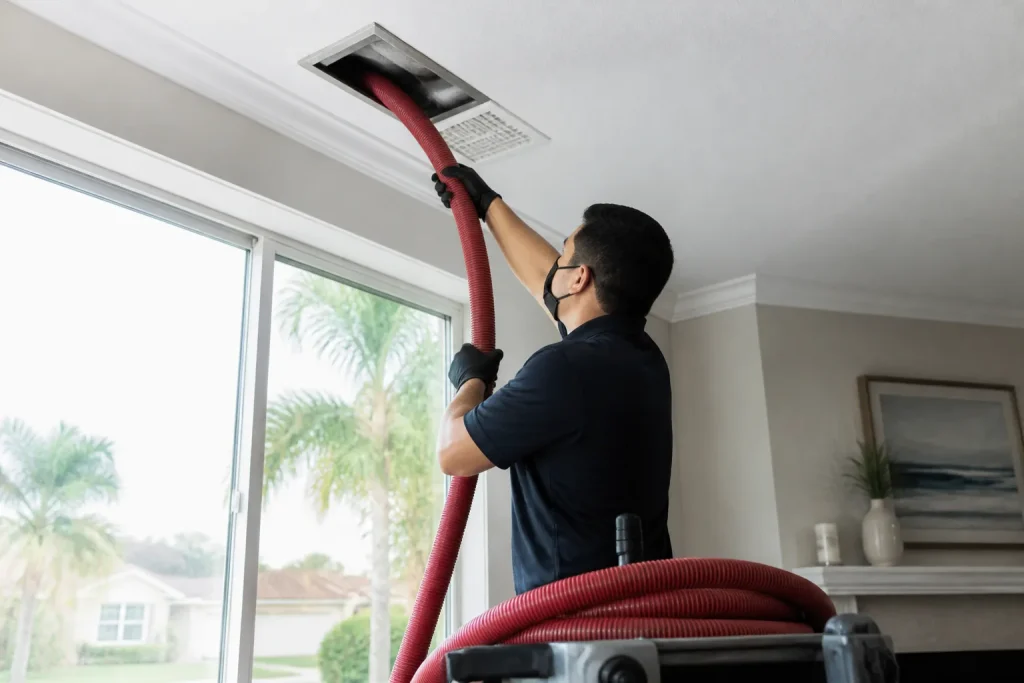
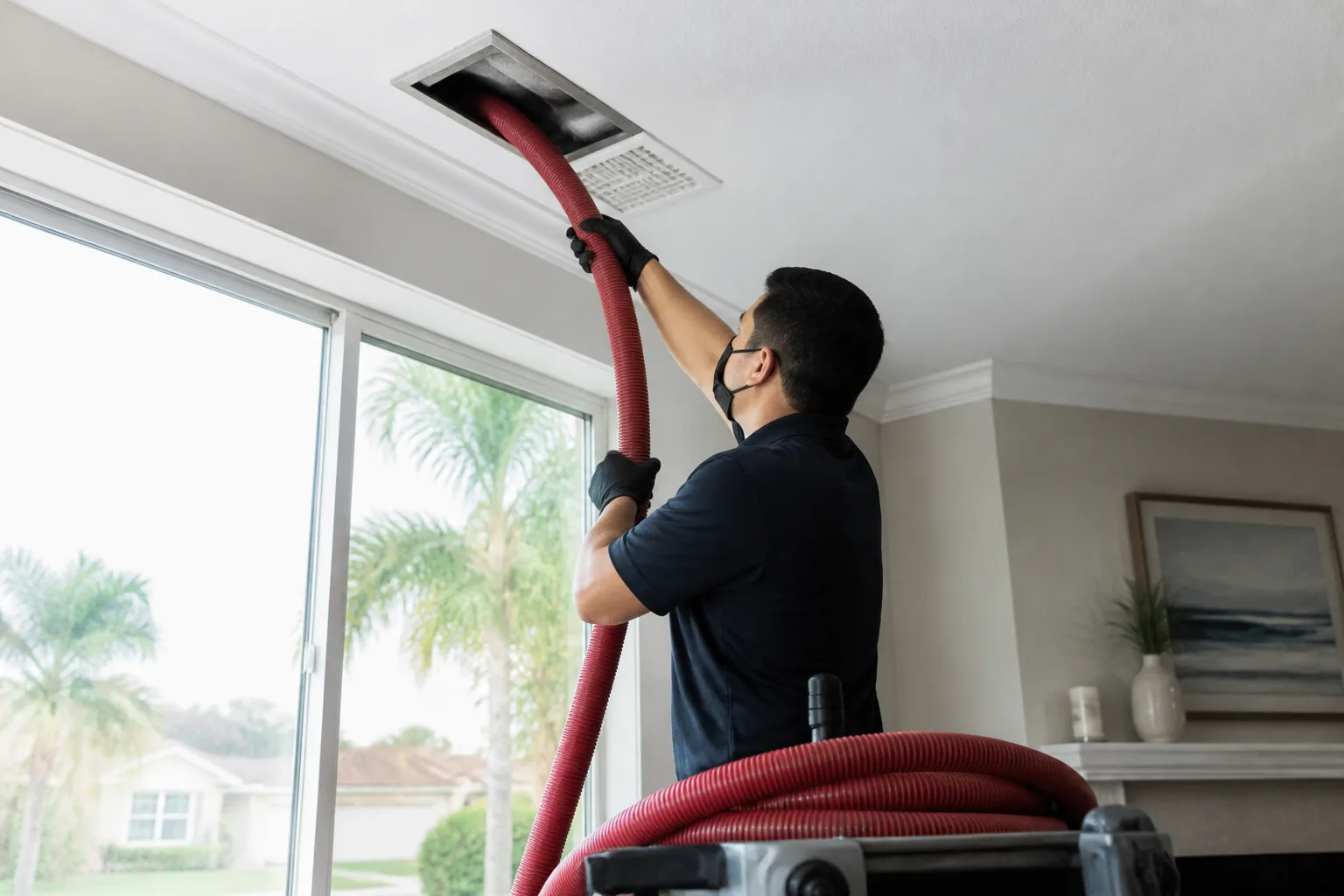
When a machine is connected to the main trunk and switched on, it draws air through the entire duct network. Dust, dander, and settled particulate get lifted by that airflow and carried to a HEPA filter or collection bag rather than being knocked loose to settle on your furniture an hour later. The catch is that the pressure differential has to be strong enough and steady enough to reach the far ends of the system, not just the segment nearest the hose.
This is where Nikro equipment earns its place. Nikro builds vacuum units specifically for duct work, and their higher-end models maintain strong suction even as the filter loads up during a job. A shop vac or a cheap consumer unit loses pulling power the moment its filter clogs, which happens fast once you’re moving real volume of debris. In a Brownsville home with a long duct run and multiple branches, that drop-off means the bedrooms and back rooms never see the same cleaning the main living area does.
What a proper negative-air setup changes for you:
- Debris travels toward the machine instead of being blown back through supply registers
- The working environment stays contained, so dislodged particulate doesn’t redistribute into the air you breathe
- You can verify the machine is running the whole time, not just at the start
Why CFM and Static Pressure Matter for a Brownsville Home
CFM (cubic feet per minute) is the volume of air a vacuum can move, and static pressure measures how hard it has to work against resistance. Both numbers matter, and they matter more in larger homes with longer duct runs. A machine rated for a compact apartment system will struggle on a sprawling single-story house with a dozen supply branches, because the resistance increases with every foot of duct and every bend.
Most homeowners never hear these terms during a quote. That’s the point. When you ask a company what CFM their vacuum is rated for and how it holds up on a system your size, the answer tells you whether they’ve thought about your house or just their coupon.
Our technicians have up to 15 years of experience, and in that time we’ve watched undersized units fail on larger Brownsville systems more times than we can count. The machine runs, the technician works, but the far ends of the duct run barely register the suction. You paid for a whole-system clean and got most of one.
Here’s what to ask before anyone hooks up a hose:
- What CFM is the vacuum rated for, and does it hold near that rating as the filter loads?
- Will the machine connect to the main trunk rather than a single register?
- How do you confirm airflow at the far supply vents, not just the nearest?
- Do you run HEPA filtration on the exhaust, and can I see it running?
None of those are trick questions. A well-equipped company answers them without hesitation.
Rotary Brush Plus Negative Air: When Each Method Helps
Suction alone doesn’t lift everything. Dust that has bonded to duct walls or collected in corners and seams needs mechanical agitation before the vacuum can carry it away. That’s what rotary brush systems are for, and Nikro builds them to work in tandem with the negative-air vacuum.
The brush spins inside the duct, loosening the stuck-on layer while the vacuum pulls the freed material toward the collection point. It’s a two-part operation, and neither half works well alone. A brush without strong suction just stirs the dust. Strong suction without agitation leaves the bonded material behind.
When a brush helps most:
- Duct walls with visible buildup or a greasy feel
- Older homes where years of settled dust have compacted
- Flexible duct sections with ridges that trap debris
When agitation can work against you: certain flexible duct types can be damaged by an aggressive brush, and not every run needs the same treatment. A careful technician assesses the duct material first and chooses the method that fits. That judgment is part of what you’re paying for, and it’s why the equipment and the hands running it both matter.
Dryer vents are a separate job with a separate risk profile. We treat dryer vent cleaning as its own service because a clogged dryer vent is a fire risk, not a maintenance footnote, and it deserves the same discipline as a full duct system clean.
What You Should See and Verify During a Nikro-Based Cleaning
You shouldn’t have to take anyone’s word for it. A properly equipped job has visible checkpoints, and a confident company will walk you through them.
Before work starts: the technician should show you the machine, confirm it’s a professional duct-cleaning unit rather than a shop vac, and explain how the hose will connect to your system. Floor and surface protection should go down first. We use Guardsman products for that, because keeping your finish intact during the job is part of doing it right.
During the job: you should hear the vacuum running continuously from the time it’s connected until the work is done. A machine that cycles on and off or quiets down partway through may be clogging or losing suction. Ask to see the collection chamber or filter if you want proof debris is actually being captured.
After: before-and-after photos of your own ducts, not stock images. A camera inspection of the same segments you saw at the start. And a clear explanation of what was found, including any sections that couldn’t be reached or needed a different approach.
Containment matters too. Abatement Technologies negative-air equipment keeps dust from escaping into the rest of your home during service, which is the same principle professional remediation crews rely on. In a Brownsville home where the AC runs most of the year, keeping that dust contained during the job is not a small detail.
Why Better Equipment Costs More, and Why That Shows Up in Quotes
The honest answer to “why are some quotes so much cheaper” is that the equipment and the process cost different amounts to run. A HEPA-rated Nikro vacuum, a rotary brush system, and a negative-air containment setup are real investments. Filters need replacing, machines need servicing, and the labor to run them properly takes longer than a quick pass with a consumer unit.
Cheap quotes usually reflect one of three things: smaller equipment that can’t sustain suction, a process that skips the mechanical agitation, or a crew that cleans one segment and calls it a whole system. Any of those can produce a low number on the estimate and an underwhelming result in your ducts.
What’s fair to expect from a quote:
- A whole-system estimate rather than a per-vent figure that climbs as the job goes
- A clear description of the equipment and process
- The price agreed in writing before work begins
When the quote is itemized and the equipment is named, you can compare apples to apples. Just as important, you can connect duct cleaning to the wider air-quality picture in your home. Companies familiar with Honeywell and Aprilaire filtration products understand how ducts, filtration, and airflow work together, which makes for better recommendations than a crew that only vacuums.
When to Call a Pro
Some things are worth a phone call rather than a weekend project. If you smell a musty odor when the AC kicks on, notice uneven airflow room to room, see visible dust blowing from supply registers, or have a duct run with a crushed or disconnected section, it’s time to bring in someone equipped for the job. Duct repair and cleaning belong together, and handling one without the other usually means revisiting the problem.
We clean, repair, and protect, which means the same provider can assess a damaged run, make the repair, and clean the system properly afterward. Your air duct cleaning shouldn’t require you to source a separate contractor for a duct that needs fixing.
Related services in Brownsville: our air duct cleaning page covers the full-system process, and the dryer vent cleaning page explains why that service deserves its own appointment. You can also read more about how we work in Brownsville.
The Bottom Line
The Nikro name matters less than what it represents: a vacuum rated for real duct work, holding strong suction from start to finish, paired with a rotary brush and containment setup that captures debris rather than redistributing it. When you ask what equipment is coming into your home, you’re asking the right question. And when a company answers with specific ratings and a process you can verify, you’ve found one worth hiring.
Whether you’re ready to book or just gathering quotes, it helps to compare on the details. At Sycamore Air Duct Cleaning, we work with Rotobrush and Nikro systems, run HEPA-level containment, and treat every system as a whole rather than a checklist of vents. Ask the CFM question. Ask for before-and-after photos of your own ducts. The answers will tell you plenty.
If you’re in Brownsville and need help, Sycamore Air Duct Cleaning offers free estimates. Call (866) 986-5459. We answer 24/7. Fast dispatch from 7am to 7pm, Sunday through Friday.
Frequently Asked Questions
Whole-system duct cleaning in Brownsville typically runs in the range of a few hundred to just over a thousand dollars, depending on the size of the home, the number of duct runs, and whether repairs are needed. That’s a whole-system estimate, not a per-vent price, and the written estimate you receive sets the final amount. Call (866) 986-5459 for an exact quote. Estimates are free.
Cheaper quotes usually mean smaller equipment that can’t hold suction across a full duct run, a process that skips mechanical agitation, or a crew cleaning only part of the system. A consumer-grade vacuum and a Nikro unit built for duct work are not the same tool, and the gap shows up in both the price and the result. If a quote seems too low, ask what CFM the machine is rated for. Call (866) 986-5459 to compare a real whole-system estimate.
Ask for before-and-after photos of your own ducts, not stock images, and request a camera inspection of the same sections that were cleaned. You should also hear the vacuum running continuously and be able to see the collection chamber. A company confident in its process will show you all three without being asked. Call (866) 986-5459 to schedule an estimate.
Most homes benefit from a cleaning every few years, though homes with pets, recent renovation dust, or ongoing allergy symptoms may need it sooner. In Brownsville, where the AC runs for much of the year, ducts move a steady volume of air and filter less effectively over time. A camera inspection is the clearest way to know if yours is due. Call (866) 986-5459 for a free assessment.
Written by the team at Sycamore Air Duct Cleaning.
Need Air Duct Cleaning Help?
Call Sycamore Air Duct Cleaning - licensed & insured, here with fast help in Brownsville.
(866) 986-5459