
Last updated November 15, 2026
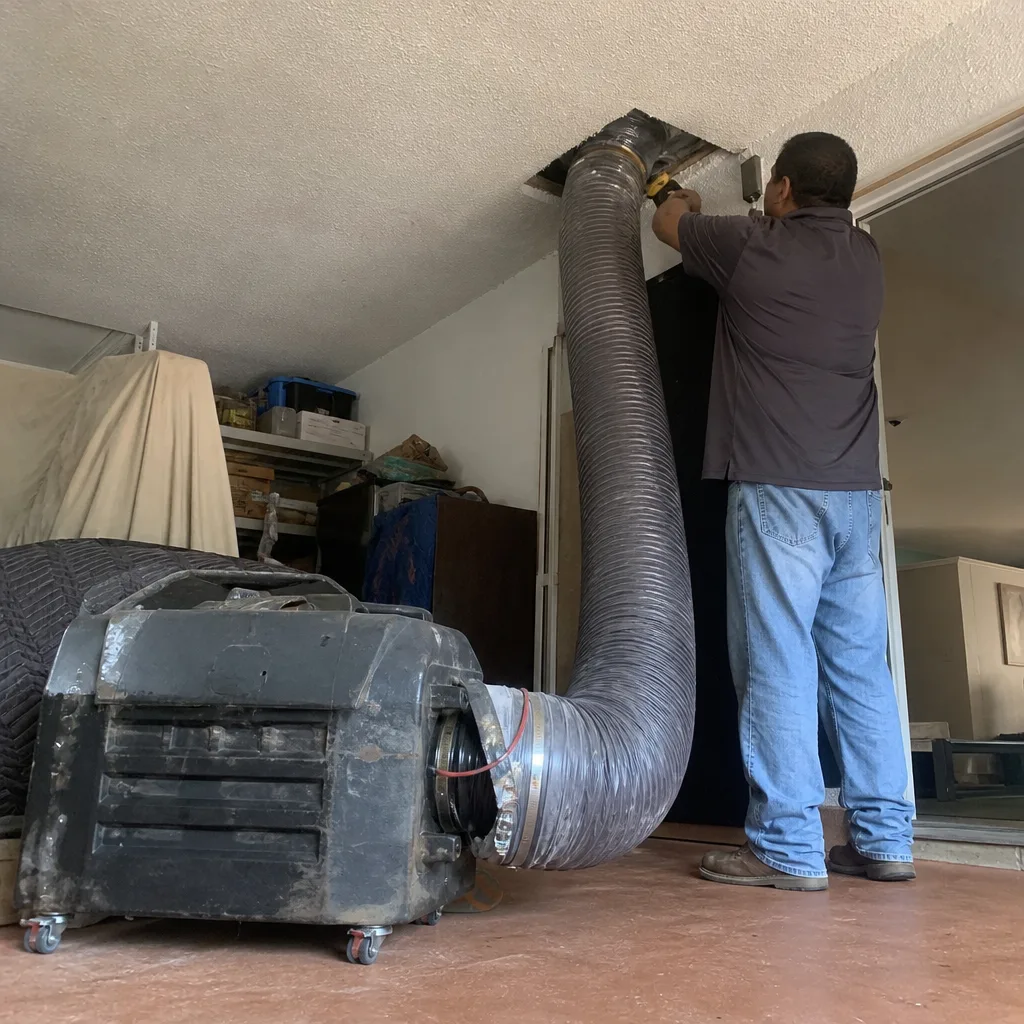
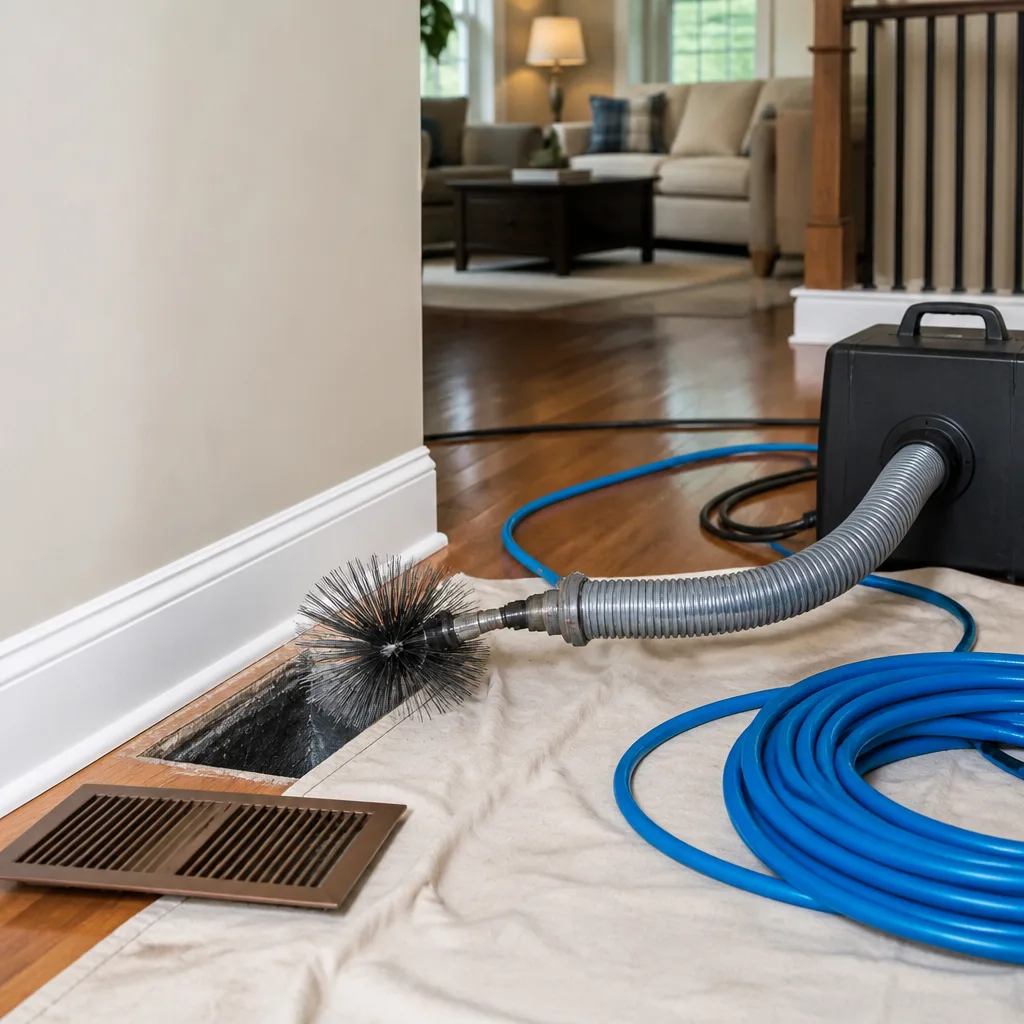 Whole-home duct cleaning
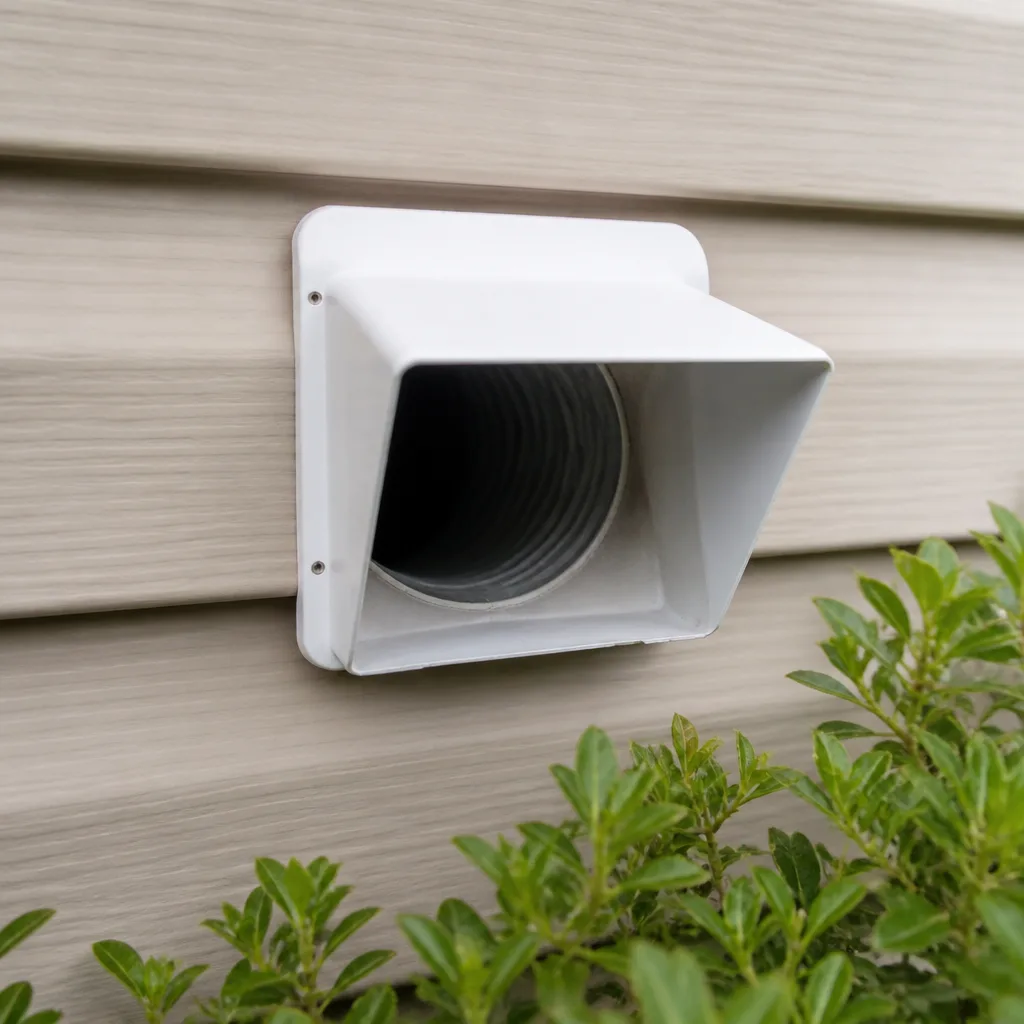 Dryer vent cleaning
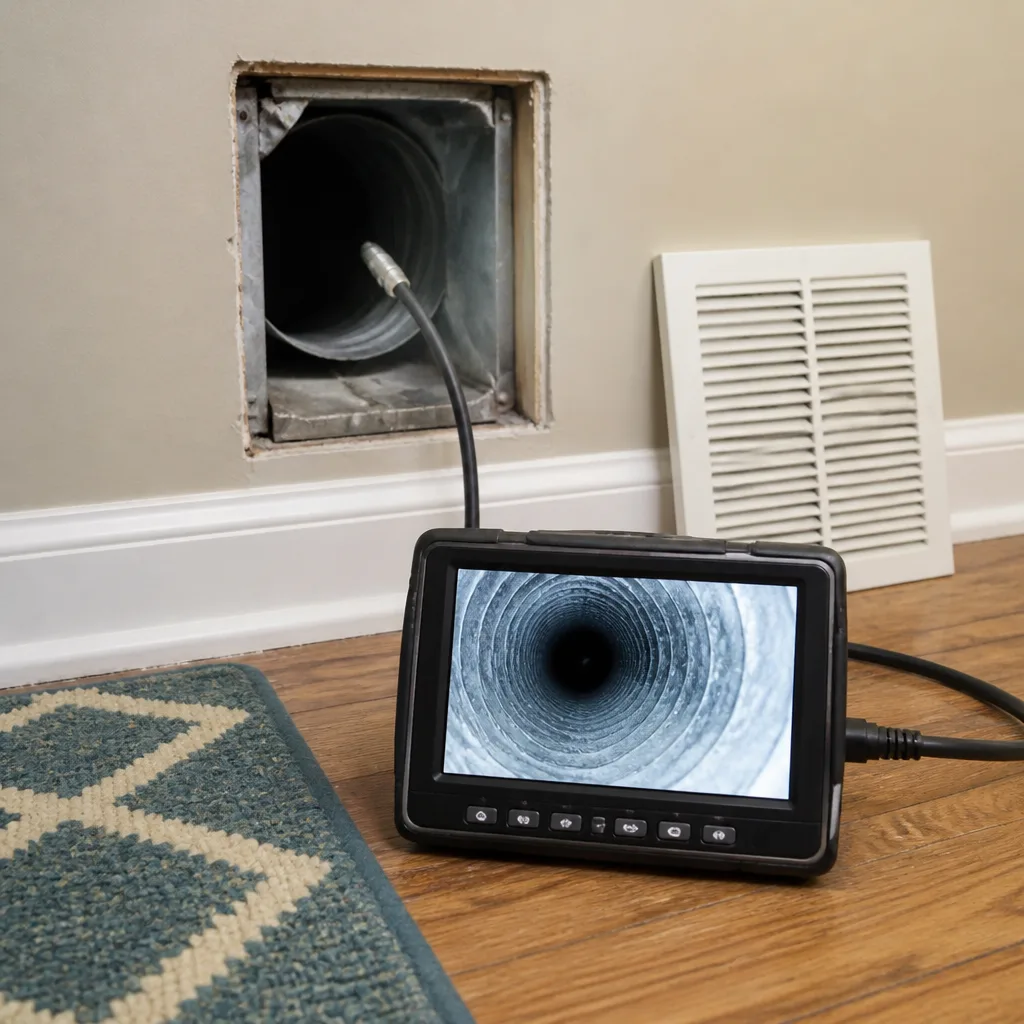 Camera inspection
 Sanitizing & deodorizing
Whole-system duct and dryer vent check with before-and-after photos - you see exactly what came out of your vents
That "$99 whole-house special" is a bait ad - the real number appears once they are in your hallway, or the "clean" is a shop-vac at the register. We photograph the inside of your ducts before and after instead.
How to Hire an Air Duct Cleaning Contractor in Brownsville: A Step-by-Step Guide
Most hiring guides tell you to “check reviews” and “get three quotes.” That advice is fine as far as it goes, but it misses the thing that actually matters in Texas: air duct cleaning isn’t a licensed trade here. There’s no state board checking anyone’s credentials, no exam to pass, no license number to look up before you hand over your money. Anyone with a shop vac, a ladder, and a professional-looking website can legally market duct cleaning in Brownsville and leave your system worse than they found it.
That means the vetting job is yours, and it’s a job you can do well if you know what to ask. What follows is the guide we wish every homeowner had before their first call. You’ll learn the three documents to request before work starts, how to spot the bait-and-switch pricing that’s common in this market, what a real negative-pressure cleaning actually looks like while it’s happening, and how to check the results without buying any equipment yourself. Brownsville homes have specific quirks worth understanding too, from the humidity that builds up in attic ductwork to the flex-duct-heavy construction common in subdivisions across the city.
Quick Answer
Hire an air duct cleaning contractor in Brownsville by requesting three things before work begins: proof of general liability insurance, NADCA membership or an equivalent certification, and a written scope of work naming the equipment to be used. Reject any quote that doesn’t itemize those three, treat a flat price per system as a condition of the deal, and ask for before-and-after photos of your own ducts when the job is done.
Styles & brands we work with
- Whole-home duct cleaning
- Dryer vent cleaning
- Camera inspection
- Sanitizing & deodorizing
Table of Contents
- Why Texas Doesn’t License Duct Cleaners – and What That Means for You
- The Three Documents to Request Before Any Work Begins
- How to Spot Bait-and-Switch Pricing Before They Walk In
- What a Legitimate Duct Cleaning Actually Looks Like in Progress
- Flex Duct vs. Hard-Pipe: Why the Technique Matters
- How to Verify the Results Without Specialized Equipment
- Brownsville-Specific Considerations for Duct Cleaning
- What Duct Cleaning Typically Costs in Brownsville
Why Texas Doesn’t License Duct Cleaners – and What That Means for You
Texas has no statewide licensing requirement for air duct cleaning. That’s not a loophole; it’s just how the trade is classified. Duct cleaning falls outside the regulated mechanical contracting work that does require a license, which means the only accountability a contractor faces is the one you create during the hiring process. Compare that to HVAC installation or gas line work, where the state and your local jurisdiction both have something to say about who’s allowed to touch your system.
What this means practically is that the market in Brownsville includes everyone from well-equipped operations with remediation-grade equipment to fly-by-night crews that show up in an unmarked van with a rented vacuum. Both can put up a polished website. Both can print “licensed and insured” on a business card, because there’s no license to actually verify and insurance is a document the contractor either has or doesn’t. Your job is to ask for the document and read it.
The consequence of getting it wrong isn’t just wasted money. A careless cleaning can dislodge debris that settles deeper into the system, damage flex duct liner, or leave your registers blowing the same contaminants they did before – sometimes worse. In a city where summer cooling runs most of the year and attic ductwork takes a beating from heat, an already-fragile duct system doesn’t need additional strain.
There’s a legitimate industry body worth knowing about: the National Air Duct Cleaners Association, or NADCA. Membership isn’t required in Texas, and it doesn’t carry legal weight. But a contractor who holds it has agreed to a published standard of care and can usually produce the certificate. That’s a signal, not a guarantee, and it’s one worth factoring into your hiring decision alongside everything else in this guide.
If you want to read more about what proper cleaning involves on the service side, our air duct cleaning page covers the process in detail. For now, understand that the absence of licensing is the single fact that shapes every other step on this list.
The Three Documents to Request Before Any Work Begins
If you take one thing from this guide, make it this: request three specific documents before you let anyone start work. Not after they’ve arrived. Not when they’ve already got equipment in your attic. Before. A legitimate contractor will have these ready to send, and they won’t be offended that you asked. A contractor who deflects or says “we can get that to you later” is telling you something.
1. Proof of General Liability Insurance
General liability insurance covers damage to your home if something goes wrong during the job. Ask for the certificate of insurance and, ideally, the name of the carrier so you can verify it. If a crew member damages a duct, puts a ladder through a ceiling, or causes a refrigerant line to fail while working near your air handler, that insurance is what stands between you and the bill. A contractor without it is asking you to absorb that risk.
Note the difference between general liability and workers’ comp. General liability covers your property. If someone gets hurt in your home and the contractor carries no workers’ comp, you could end up in an ugly spot. Ask about both, but treat general liability as the non-negotiable one.
2. NADCA Membership or Equivalent Certification
NADCA membership is the closest thing this trade has to a professional standard. Ask to see the current membership card or certificate. If the contractor isn’t a NADCA member, ask whether they hold any equivalent certification from a recognized body, and ask how they train their technicians. A legitimate operation will have a real answer. “We’ve been doing this for years” is not a real answer.
3. A Written Scope of Work Naming the Equipment
This is the document most people skip, and it’s the one that separates a professional job from a disappointing one. A written scope of work should tell you exactly what equipment will be used, how many access points will be cut and where, how long the job is expected to take, and what the total price will be. If the equipment isn’t named, you don’t know what’s coming into your home. It might be a Rotobrush contact-cleaning system, which is purpose-built for duct interiors. It might be a shop vac. Those are different products doing different things, and you deserve to know which one you’re paying for.
Ask specifically about negative-pressure equipment. Real duct cleaning is done with containment. If the contractor can’t describe what negative-air equipment is being used to keep dust from migrating through your home during the job, that’s a substantial red flag. Our own approach uses Abatement Technologies containment equipment, and we’ll happily explain why it matters before you hire anyone.
How to Spot Bait-and-Switch Pricing Before They Walk In
The bait-and-switch is the single most common complaint in the duct cleaning industry, and Brownsville is not immune. The structure looks like this: an advertised price that seems impossibly low for whole-house work, a phone confirmation that the low price is real, and then a technician who arrives, inspects the system, and explains that your ducts are “much worse than expected” and the actual cost will be substantially higher. By the time they’re standing in your living room, you’ve already carved out the time, and saying no feels awkward.
The advertised price on those mailers – the figure that looks too good to be true – is usually the hook, not the price. Here’s how to spot the pattern before you book:
- The price is quoted per vent or per register rather than per system. Per-vent pricing is how the total balloons once they’ve counted your registers. A whole-house job should be quoted as a whole-house job.
- The phone quote doesn’t hold. Ask explicitly: “Is the price you’re giving me the price I’ll pay, or will it change once the technician sees the system?” A legitimate contractor commits to a flat price per system before work starts, with the written estimate setting the final figure.
- There’s an upsell script ready before they see anything. If the technician starts recommending add-on treatments, sanitizers, or “sealants” before doing any inspection, you’re watching a sales process, not a cleaning process.
- They won’t put anything in writing. A one-line email confirming the price and scope is enough. A contractor who won’t send one is a contractor whose price you can’t trust.
- The advertised price doesn’t mention equipment. If the ad says only “$49 whole house,” you don’t know what’s coming into your home. Insist on knowing.
The correct framing is simple: one flat price per system, agreed in writing, before work begins. Not per vent. Not “starting at.” Not subject to change once the truck is in your driveway. Anything else is a negotiation you’ll lose, usually while you’re standing in the hallway half-listening to a pitch.
What a Legitimate Duct Cleaning Actually Looks Like in Progress
You don’t need to hover over the technician for three hours, but you should know what you’re looking at when they’re set up. A proper cleaning has visible equipment, visible access points, and a realistic time window. If any of those are missing, ask why.
Here’s what you should see during a legitimate job:
- Containment equipment at the truck or air handler. A negative-air machine should be visible, connected to the system, and running. This is what keeps dust from blowing through your home while the ducts are being agitated. If the duct cleaning starts without containment equipment in place, that’s a problem.
- Access holes cut into the trunk line. Real cleaning requires access. Small holes are typically cut into the main trunk or plenum, and the interior is cleaned with a rotating brush or compressed-air whip depending on the duct material. Those access holes are usually sealed with a plug or mastic afterward. If no holes are cut, no proper cleaning of the trunk has occurred.
- A contact-cleaning tool being used inside the ducts. Rotobrush-style systems use a rotating brush with a vacuum attached, which physically contacts the duct interior. A shop vac on a hose is not the same thing.
- Register removal. Every supply and return register should come off, and the boot behind it cleaned. A crew that cleans the trunk but doesn’t pull registers has skipped half the work.
- A time window that makes sense. A proper whole-house cleaning on a typical Brownsville home takes several hours. It’s not a 45-minute job. Be suspicious of any contractor who quotes an extremely short completion time – it usually means they’re running a surface vacuum and calling it done.
- Guardsman or equivalent surface protection. Drop cloths and floor protection are a professionalism marker. A crew that respects your home will protect it.
If you’re watching and something feels off – no containment equipment, no access holes, a suspiciously fast finish – you’re within your rights to stop the work and ask questions. A legitimate contractor will explain what they’re doing without defensiveness.
Flex Duct vs. Hard-Pipe: Why the Technique Matters
Brownsville homes typically have a mix of duct types. The main trunk lines running through the attic are usually rigid sheet metal – “hard pipe” in trade language – while the individual runs to each register are often flex duct, which is a large insulated tube with an internal liner. These two materials need different cleaning techniques, and getting the wrong one can cause permanent damage.
Hard-pipe duct is forgiving. Rotating brushes with the right attachments can be run through it with pressure, and the metal surface can take the mechanical contact. Flex duct is not forgiving. The internal liner is thin, and aggressive brushing or the wrong attachment can collapse it, tear it, or pull it away from the fittings. Once flex duct liner is compromised, airflow is permanently reduced and the duct often has to be replaced. There’s no good way to repair a collapsed inner liner.
What this means for your hiring conversation: ask the contractor how they handle flex versus hard-pipe. A technician with real experience will know that flex runs need lower-pressure cleaning with the correct soft brush or whip attachment, not the same equipment used on the trunk. They’ll usually inspect the duct runs first to identify which is which, especially in older Brownsville homes where ductwork may have been modified by previous owners or contractors.
If a contractor gives you a blank look when you ask about flex duct, that’s a sign they either don’t know or don’t care. Either way, you don’t want them in your attic. Our technicians have up to 15 years of experience handling both duct types, and we’ll walk you through what your specific system needs during the estimate.
If the flex duct turns out to be damaged already – not uncommon in homes where previous work has been sloppy – you’ll want to know about Sycamore Air Duct Cleaning‘s repair service alongside the cleaning. Cleaning a system with compromised ductwork doesn’t accomplish what you’re paying for.
How to Verify the Results Without Specialized Equipment
You don’t need to buy a duct camera to check the work. The verification is mostly about paying attention to what’s physically accessible and what changes afterward. Here’s what to check:
- Airflow at the registers. Before the cleaning, hold your hand near several supply registers and note the force and feel of the airflow. After the job, do the same check. You should feel a noticeable improvement at registers that were previously weak. If nothing changed, ask the contractor why.
- Register and boot inspection. Pull one supply register off after the job and look inside. The interior should be visibly cleaner than it was, and the boot should show signs of cleaning. If there’s still visible dust buildup on surfaces the crew should have reached, they skipped it.
- Ask for before-and-after photos from the cleaning camera. This is the standard verification in the industry. A contractor with a Rotobrush or similar contact-cleaning system runs a camera inside the ducts, and they should be able to show you captured stills or footage from inside your own system – not stock photos, not a video from somebody else’s house. If they can’t produce photos from your specific job, that’s a real concern.
- Check the access points. Look at where holes were cut and sealed. Seals should be tight. If you see open gaps or loose mastic, ask the contractor to return and seal properly. A poorly sealed access hole is a leak in your HVAC system and can affect efficiency.
- Watch the air filter. A properly cleaned system can cause the air filter to load faster right after the job, because residual fine dust gets pulled through. Check your filter a week after cleaning. If it’s already clogged, change it and then check again in another week. If it stays consistently loaded, ask whether the contractor thinks there’s still debris in the system.
- Notice the smell and the air quality in the following days. Musty odors should be noticeably reduced if contamination was the issue. If they return quickly, there may be a moisture problem upstream – worth investigating rather than assuming a second cleaning will solve it.
If your contractor is evasive about photos, access points, or the specific equipment they used, treat that as a completion issue, not a chat. Ask for documentation and don’t accept vague assurances.
Brownsville-Specific Considerations for Duct Cleaning
Brownsville has climate and construction patterns that affect what duct cleaning actually accomplishes, and it’s worth factoring them into your hiring decision.
The dominant local concern is humidity. Brownsville’s climate keeps moisture in the air through much of the year, and air conditioning systems here work hard and run long cycles. Humidity in attic ductwork can promote biological growth inside the duct walls if condensate isn’t draining properly or if duct insulation has been compromised. That’s why a legitimate duct cleaning contractor will inspect for moisture issues, not just dust. If a contractor is willing to clean a system that has active moisture problems without addressing the moisture first, the cleaning won’t fix anything and the problem will return.
The Gulf-influenced climate also means the building envelope in many Brownsville homes is tighter than you might expect, and HVAC systems are often sized for significant cooling load. When ducts are contaminated, that contaminated air is what circulates through every room. Allergy symptoms, uneven airflow in bedrooms that get less supply air, and high energy bills are all consistent with a duct system that hasn’t been cleaned in years.
Construction patterns matter too. Many Brownsville subdivisions, particularly those built in the last few decades, use flex duct extensively for branch runs. Older neighborhoods closer to the historic downtown area often have hard-pipe systems or a mix. A contractor who’s used to working in one type of construction may not have the experience to handle the other properly. Ask how they handle both.
The dust composition here is a factor as well. Fine particulate from dry, windy periods accumulates in return plenums, and yard work, construction, and agricultural dust all contribute. Homes near major roadways or older industrial corridors tend to see faster accumulation, which is worth mentioning when you’re getting an estimate. The right cleaning frequency for a home near a busy corridor may be higher than for a home in a quieter neighborhood.
For dryer vent service too, Brownsville homes need attention. The combination of heat and lint accumulation makes dryer vents a genuine fire risk, and the same equipment discipline that applies to duct cleaning should apply to dryer vent cleaning. Ask whether the contractor treats dryer vents as a real service or an add-on they offer to pad the invoice.
What Duct Cleaning Typically Costs in Brownsville
Air duct cleaning in Brownsville typically falls in a range based on system size, duct type, and how much access work is required. Whole-house cleaning on a typical single-family home usually falls in the mid-hundreds to low-four-figures range depending on conditions. A written estimate should itemize the price before work begins.
Here’s how the costs break down by scenario:
- Standard whole-house cleaning, single system, typical single-family home: usually quoted as a flat price per system. This is the baseline you’ll see quoted most often.
- Larger homes with multiple HVAC systems: priced per system, so a home with two systems carries roughly double the base cost.
- Systems with significant contamination or moisture issues: may require additional steps, and the price should reflect that in the written scope. If the scope doesn’t change but the price doubles once the truck shows up, you’re looking at a bait-and-switch.
- Duct repair alongside cleaning: priced separately and quoted in the same written scope. Repairing collapsed flex duct or reconnecting dislodged runs is not part of a standard cleaning price.
- Dryer vent cleaning: quoted separately, usually as a modest flat fee, sometimes bundled with a whole-house cleaning by legitimate contractors.
What you should never accept is per-vent pricing. “X dollars per register” is the structure that produces invoices far higher than the advertised price, because the count inflates once they’ve walked the house. Ask for a flat price per system in writing, and hold them to it.
We quote per system, give a written estimate, and stick to it. Once the work is done we show you before-and-after photos of your own ducts. That’s the standard you should hold every contractor to, including us. If you’re looking at HVAC ductwork across the city, our guide to Brownsville covers local specifics worth reading before you book any appointment.
Common Mistakes to Avoid
- Booking based on the advertised price without a written scope. The low number on a mailer or a search ad is not a scope of work. Ask for the scope in writing and compare the full price, not the teaser. This is the mistake that costs Brownsville homeowners the most money.
- Assuming “licensed and insured” means anything in Texas. Duct cleaning isn’t a licensed trade here, so “licensed” may refer to something else entirely. Ask for the actual general liability insurance certificate, not just the phrase on a business card.
- Skipping the flex duct question. If the contractor doesn’t know flex duct from hard pipe, they may damage your system in the first ten minutes. Ask how they handle both before you hire.
- Confusing a surface vacuum with contact cleaning. A shop vac run over the register covers isn’t duct cleaning. Ask specifically what equipment is used inside the duct and whether it’s a contact-cleaning system.
- Accepting vague completion without photos. If they can’t show you before-and-after images from inside your own ducts, you don’t know the work happened. Request the photos as a condition of the job, not an afterthought.
- Ignoring moisture problems. Cleaning a system with active condensate or biological growth without addressing the source of the moisture wastes your money. Ask what the inspection found and how it will be handled. This matters in Brownsville’s humid climate especially.
- Booking the highest or lowest bid without comparing process. A high price doesn’t guarantee better work, and a low price doesn’t mean you’re being scammed. Compare what’s included: equipment named, access points cut, photos provided, insurance documented.
See the difference
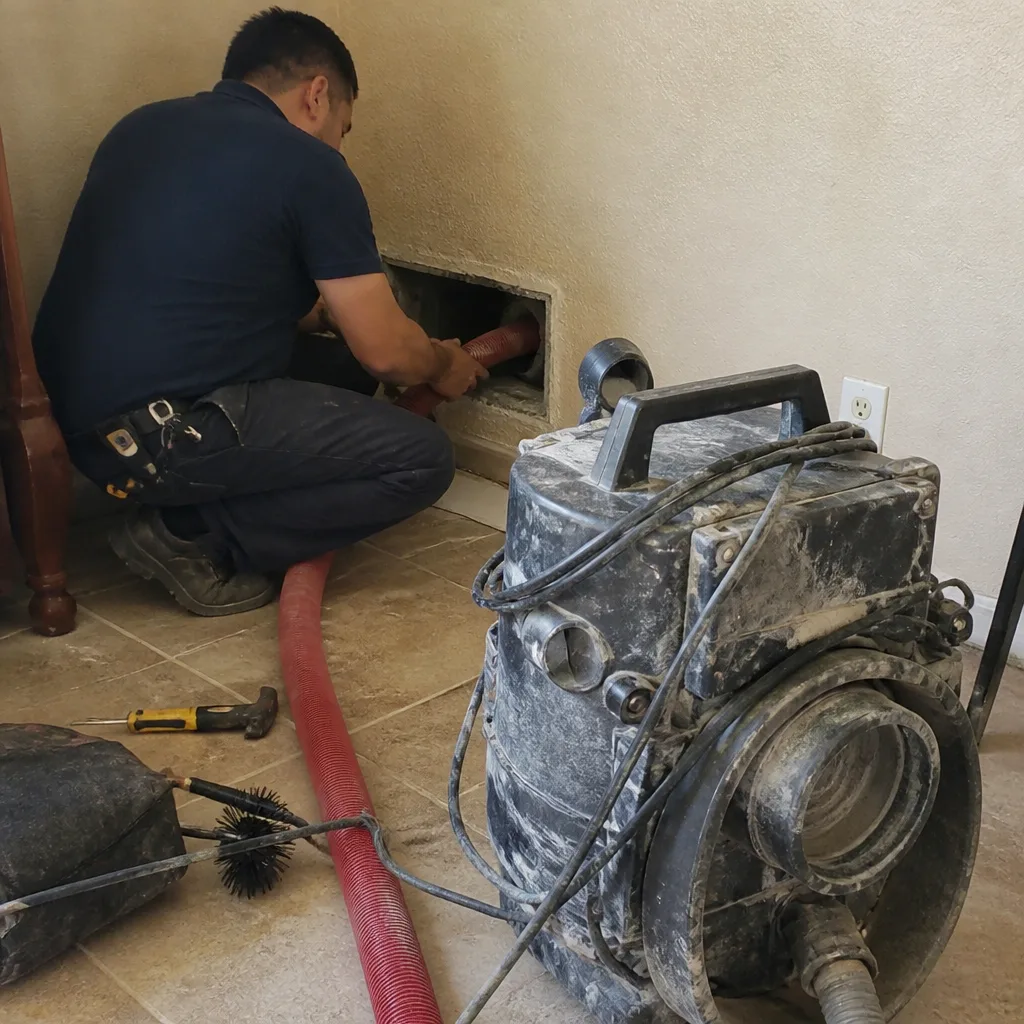 Before
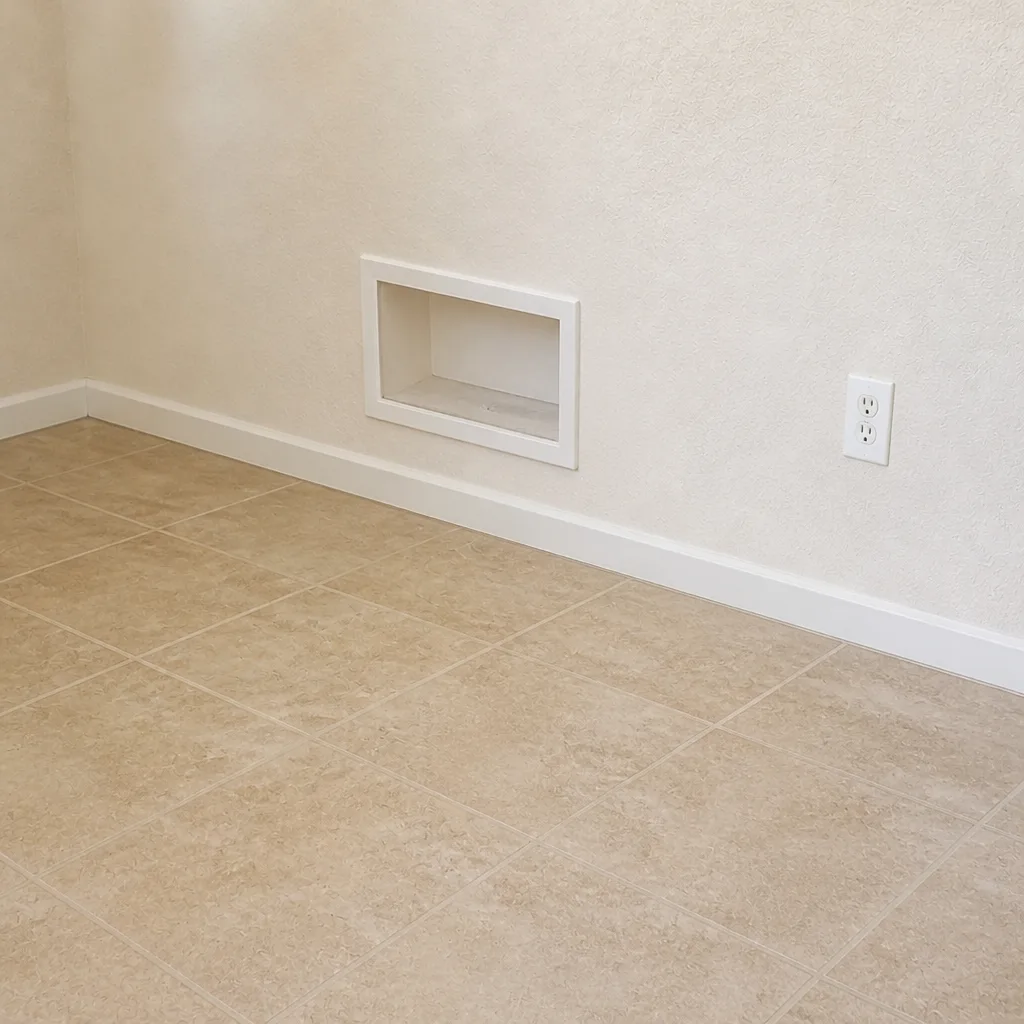 After
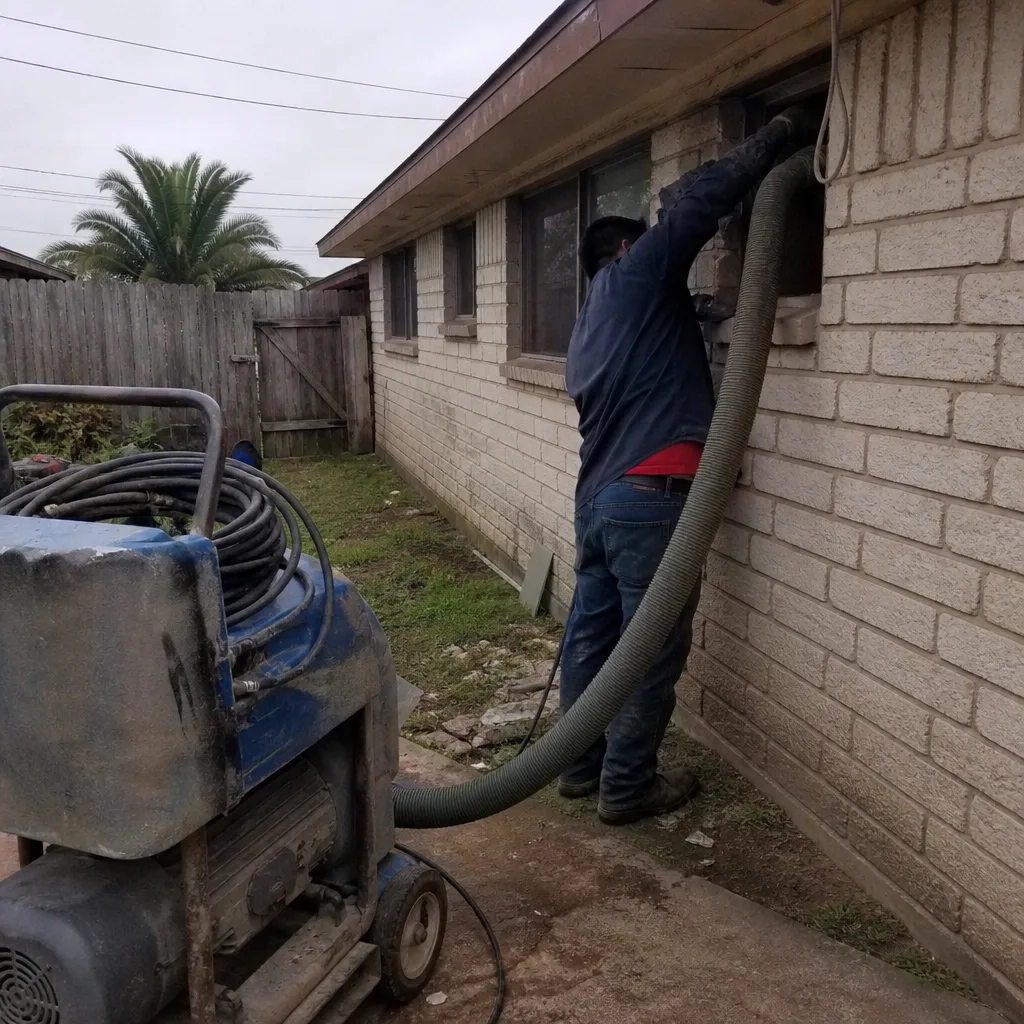 Before
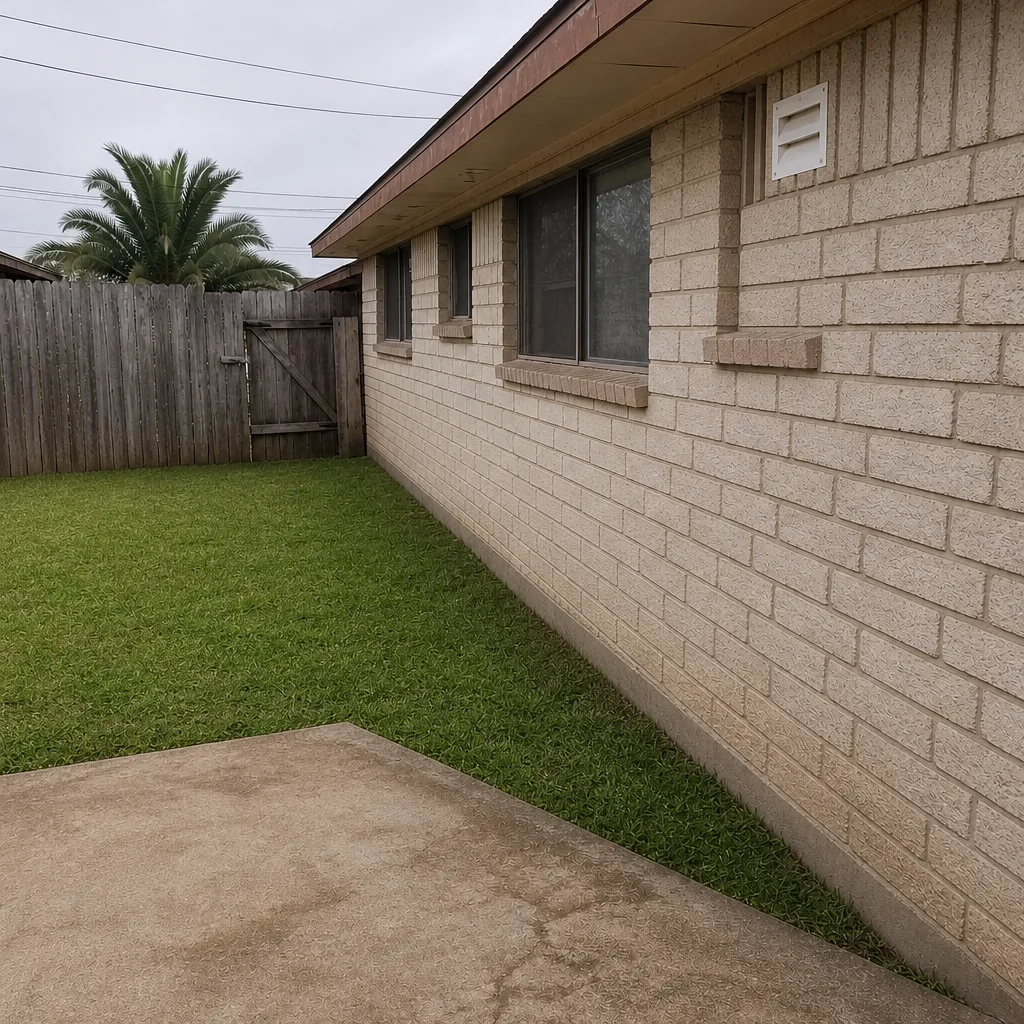 After
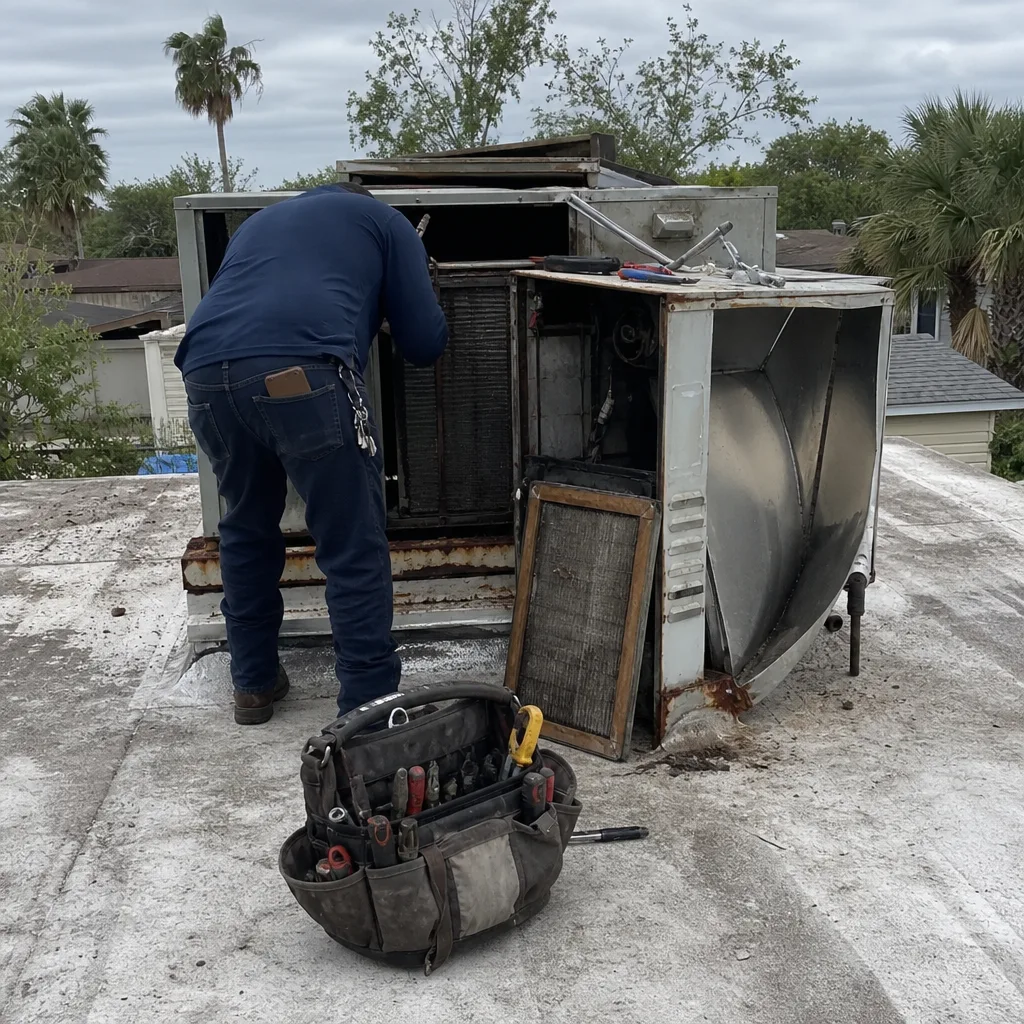 Before
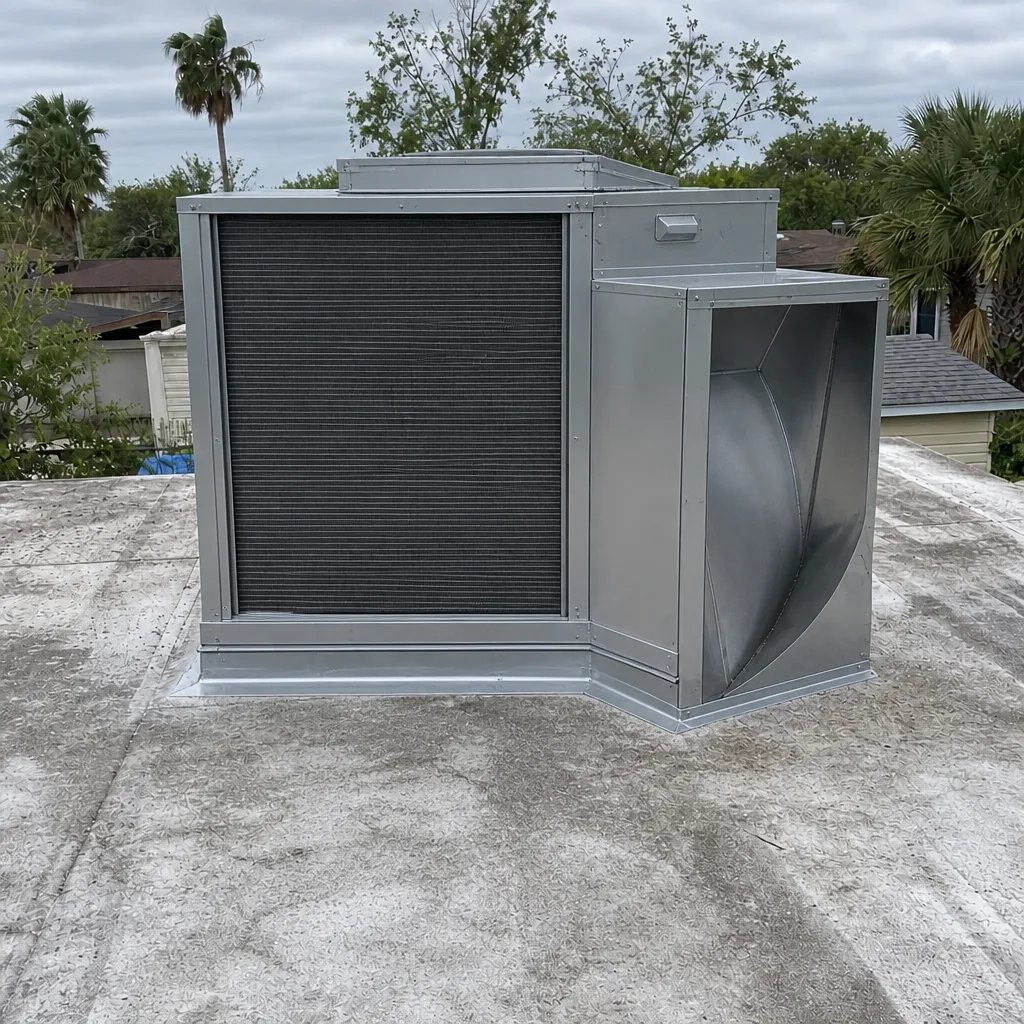 After
When to Call a Professional
You should call a professional duct cleaning contractor in Brownsville when any of the following are true: you’ve noticed a persistent musty or dusty smell in the house; someone in the household has developed allergy symptoms that seem tied to being indoors; your registers are visibly dirty or dusty; airflow is uneven between rooms; your HVAC filter loads up faster than it should; or it’s been several years since the last cleaning and the system has been running constantly in a humid climate. Damaged flex duct with visible tears or collapsed sections also requires professional repair, and that should be addressed before any cleaning.
Don’t call a professional for a surface vacuum. A shop vac over the register covers isn’t duct cleaning, and it won’t fix any of the underlying issues. What you need is contact cleaning with negative-pressure containment, which is a different job entirely.
Sycamore Air Duct Cleaning offers free estimates in Brownsville – call (866) 986-5459. We clean, repair, and protect, and we’ll explain exactly what equipment is coming into your home before you commit.
Frequently Asked Questions
Most whole-house air duct cleaning in Brownsville is quoted as a flat price per system, typically in the mid-hundreds to low-four-figures range depending on system size, duct type, and contamination level. The written estimate is what sets the final price, and it shouldn’t change once work begins. Call (866) 986-5459 for an exact quote – estimates are free.
A very low quote usually covers a different job than the one you’re picturing. It often means a surface vacuum without negative-pressure containment, no access holes cut into the trunk, no register removal, and no camera evidence of the work. The low price gets the technician in the door; the real job is an upsell once they’re inside. Ask what equipment they’re bringing and whether containment is included before you compare prices. Call (866) 986-5459 for an honest per-system quote on a real whole-house cleaning.
Ask for before-and-after photos from inside your own ducts, pulled from the cleaning camera rather than a stock gallery. Check a removed register and the boot behind it; the interior should be visibly cleaner. Compare airflow at a few registers before and after. Ask what access holes were cut and how they were sealed. A legitimate contractor keeps records of what was found and what was cleaned, and will hand those over without being pushed. Call us for a free estimate and we’ll show you the process up front.
Most Brownsville homeowners can go several years between cleanings, though homes near busy roads, older industrial corridors, or with heavy yard debris exposure tend to need it more often. Homes with pets or recent remodeling may also need a shorter interval. The honest answer is that cleaning should be driven by conditions, not by a fixed calendar. If you’re seeing dirty registers, uneven airflow, or higher-than-normal filter loading, it’s probably time.
Texas doesn’t license air duct cleaners, so there’s no license to check. Instead, ask for proof of general liability insurance, NADCA membership or an equivalent certification, and a written scope of work naming the equipment to be used. Those three documents are your practical verification. Call us and we’ll provide all three before you book.
Flex duct is a flexible insulated tube with an internal liner, used for branch runs in many Brownsville homes. Hard-pipe is rigid sheet metal, usually the main trunk. Flex needs gentler cleaning with the right attachments because the liner can be torn or collapsed by aggressive brushwork. Hard-pipe can take more pressure. Ask any contractor how they handle both, and if they can’t answer clearly, look elsewhere.
The Bottom Line
Hiring a duct cleaning contractor in Brownsville comes down to doing the vetting that the state doesn’t. Request the three documents – general liability insurance, NADCA membership or equivalent certification, and a written scope naming the equipment – before any work begins. Reject per-vent pricing, insist on a flat price per system, and get the number in writing before you commit. Ask how they handle flex duct versus hard-pipe, and know what a proper negative-pressure cleaning looks like in progress. After the job, ask for before-and-after photos of your own ducts and check the registers yourself. Hold the contractor to those standards, and you’ll get real work rather than a surface vacuum with a professional-looking invoice attached.
Call Sycamore Air Duct Cleaning at (866) 986-5459 for a free estimate on duct cleaning, dryer vent service, or duct repair in Brownsville. We answer 24/7. Fast dispatch from 7am to 7pm, Sunday through Friday.
Written by the team at Sycamore Air Duct Cleaning.