
Last updated November 15, 2026
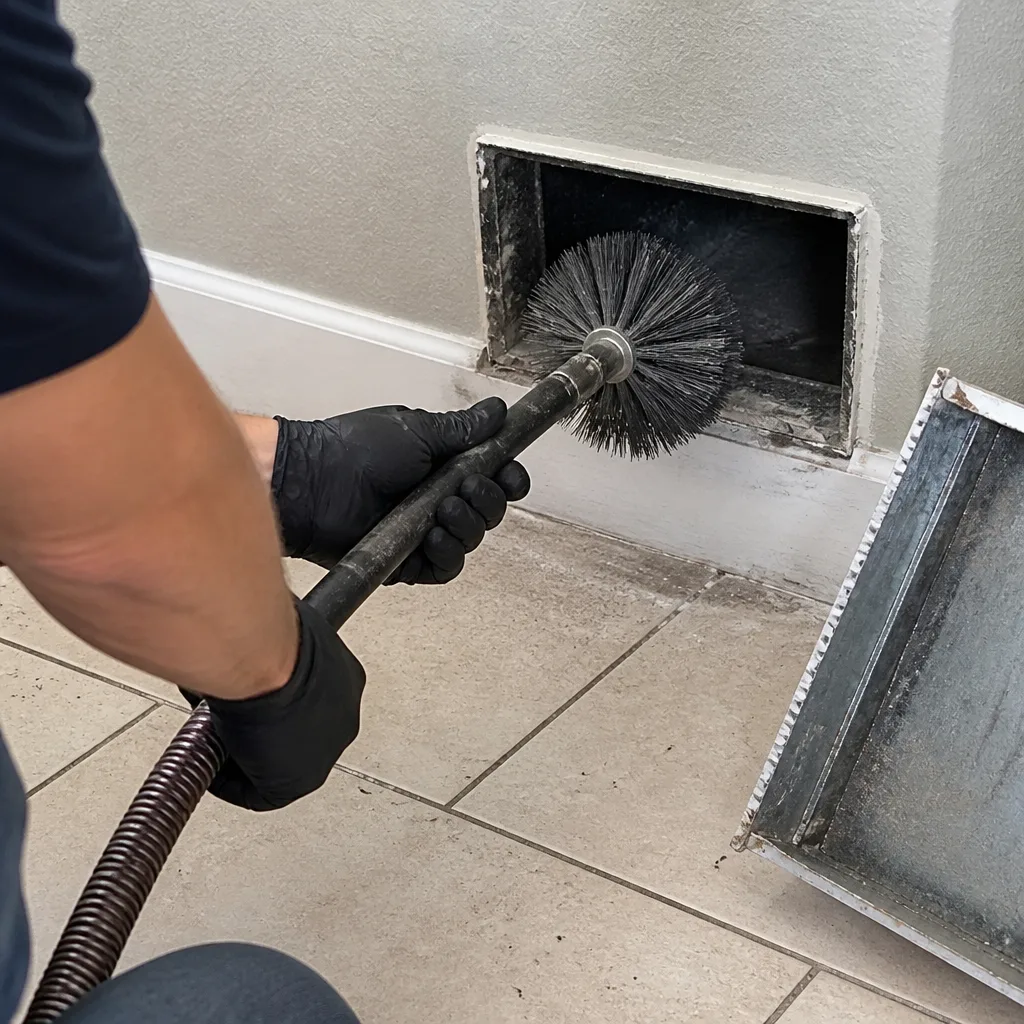
 Whole-home duct cleaning
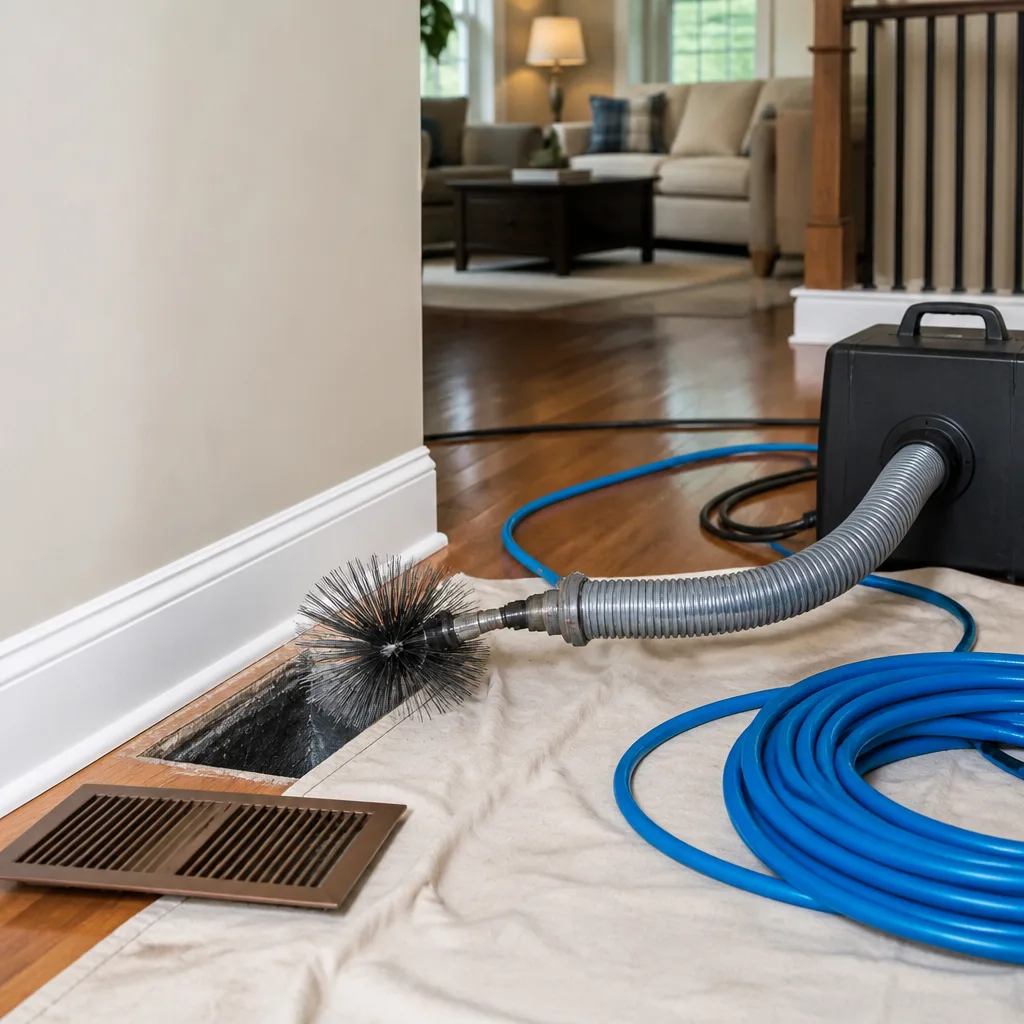
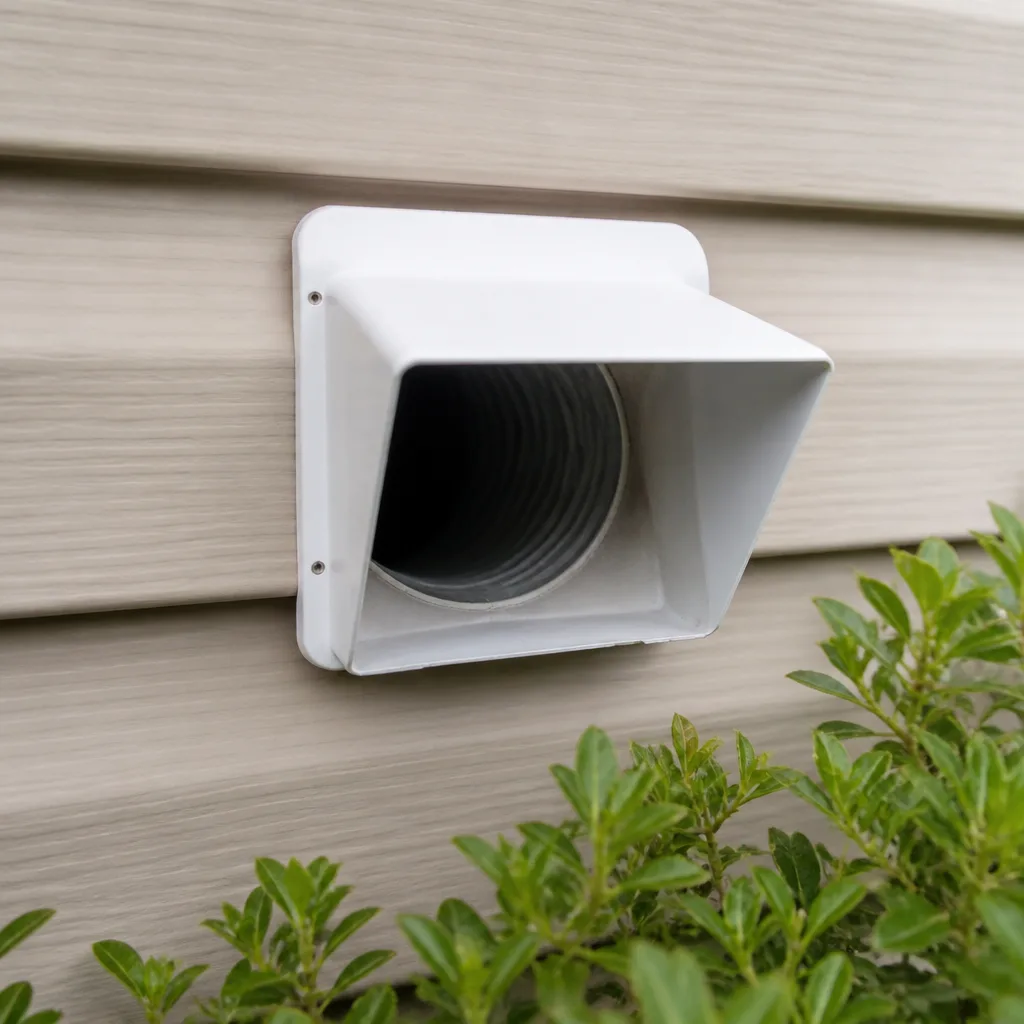 Dryer vent cleaning
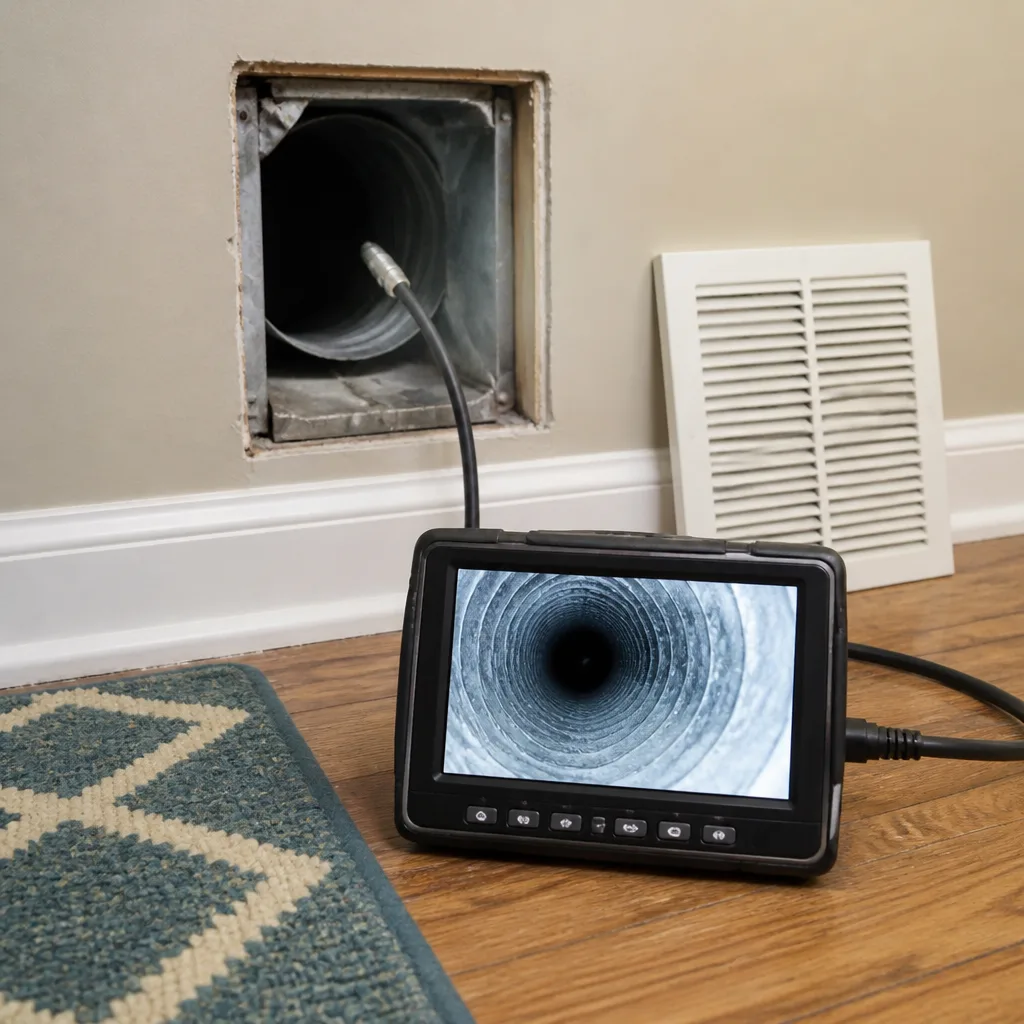 Camera inspection
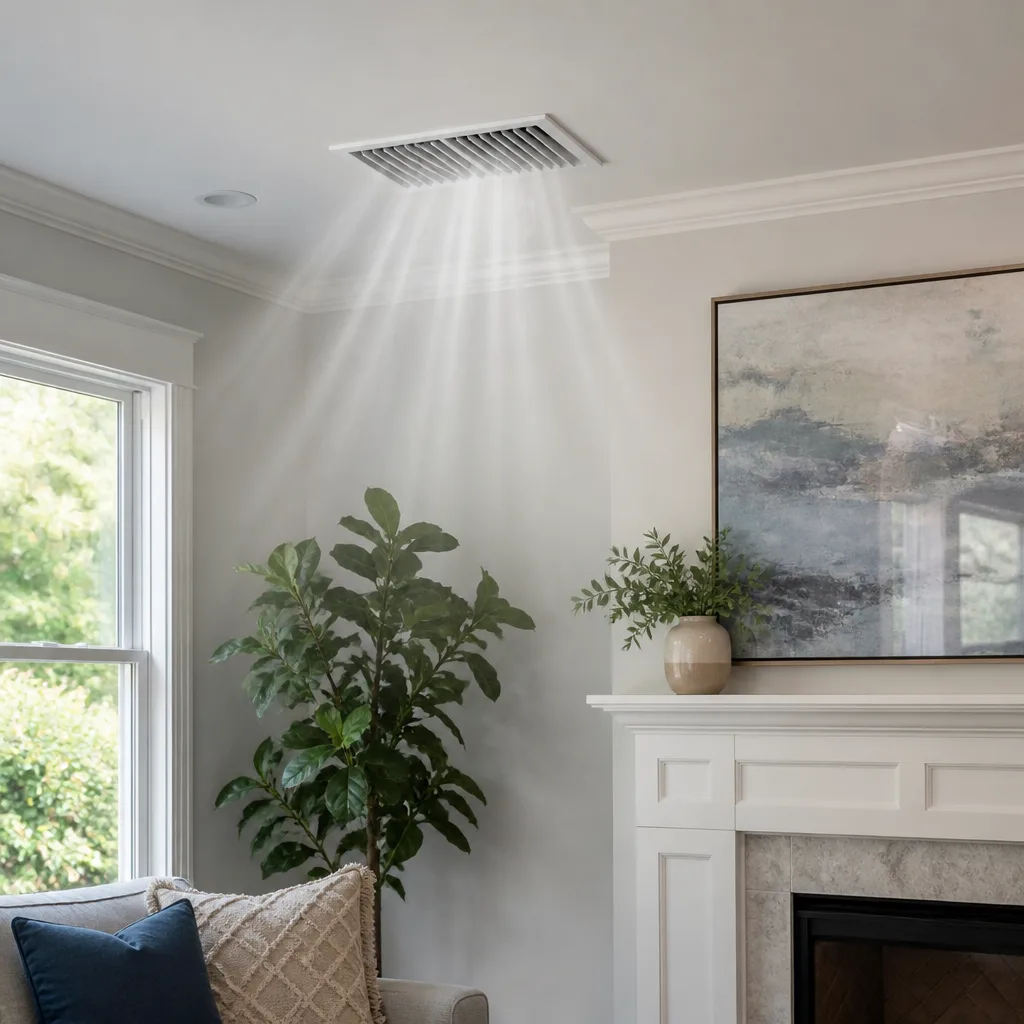 Sanitizing & deodorizing
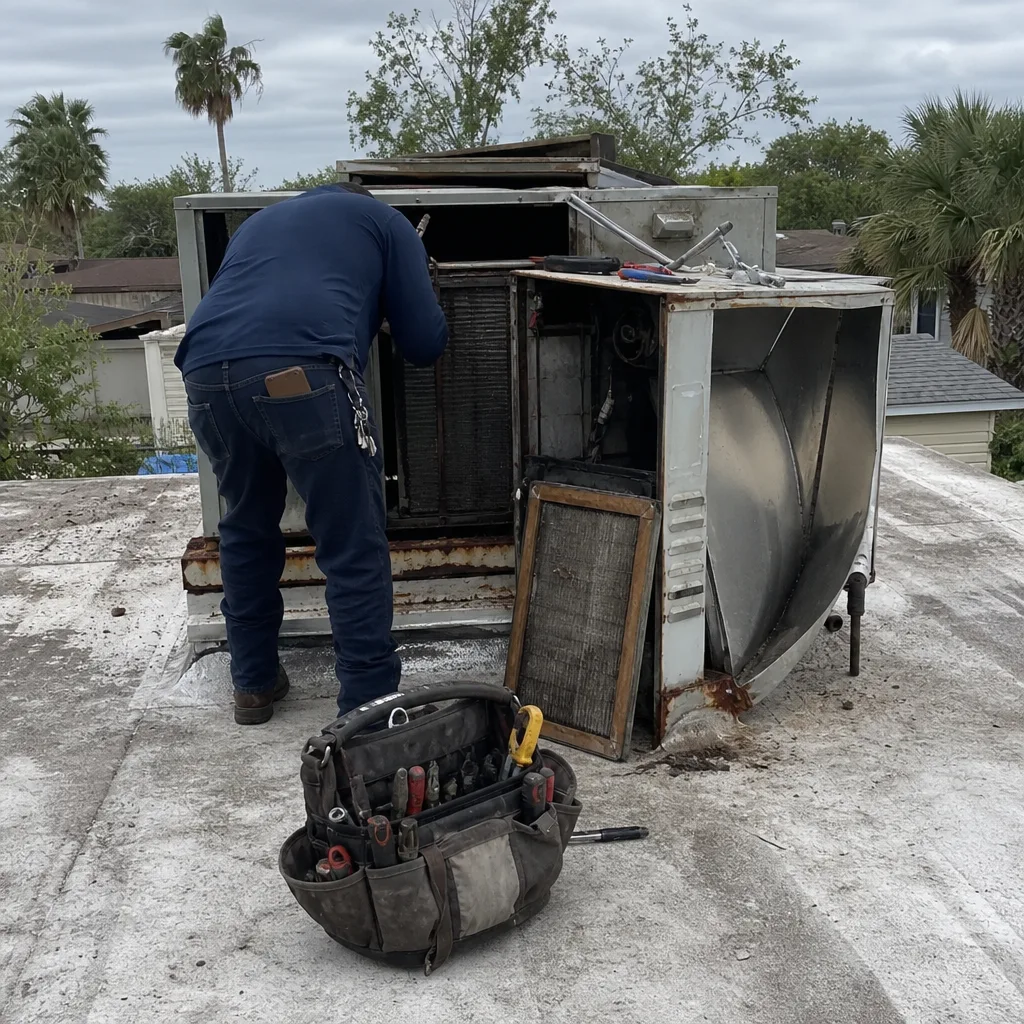
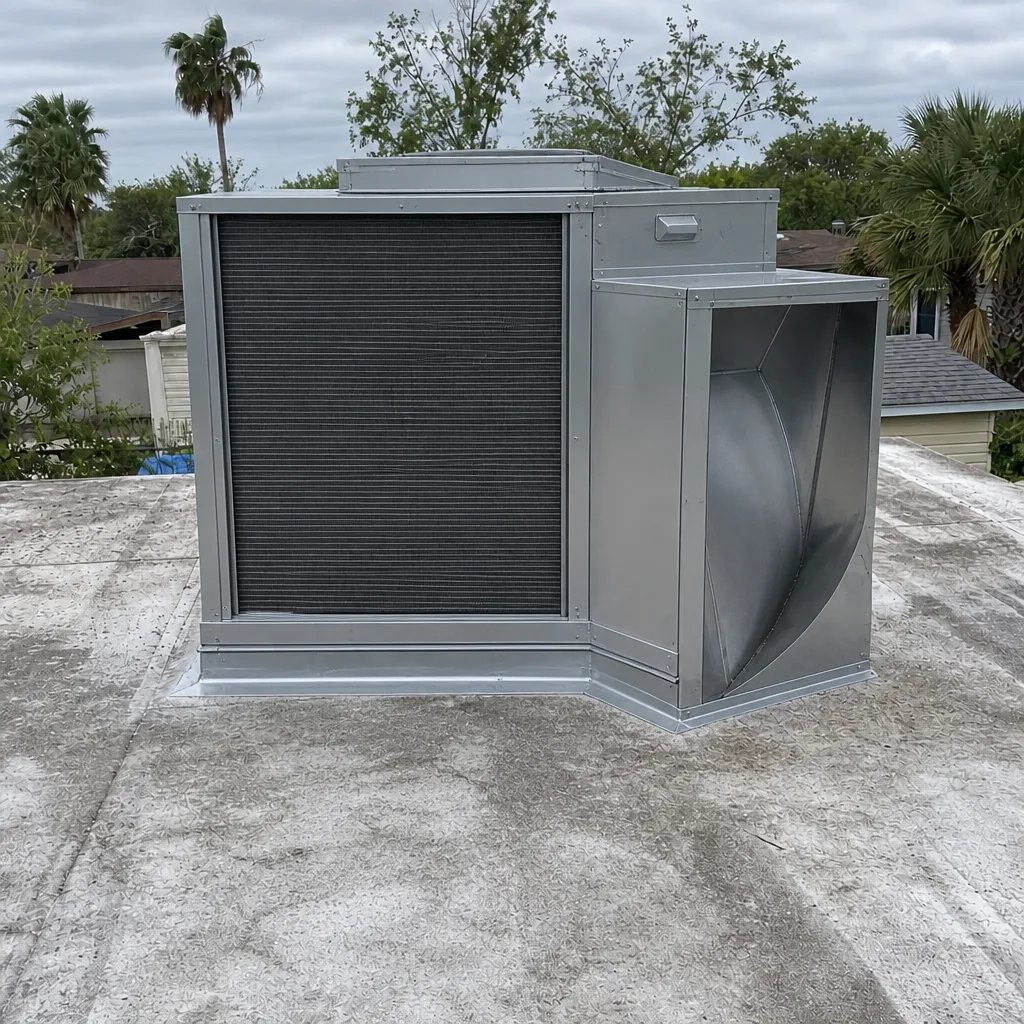
Whole-system duct and dryer vent check with before-and-after photos - you see exactly what came out of your vents
That "$99 whole-house special" is a bait ad - the real number appears once they are in your hallway, or the "clean" is a shop-vac at the register. We photograph the inside of your ducts before and after instead.
Air Duct Cleaning Permits, Codes & Inspections in Brownsville, TX: What You Need to Know
Here’s the part of duct cleaning nobody explains before the truck pulls up: cleaning your ducts doesn’t require a permit in Texas, but the moment a technician seals a breach, swaps out a section of flex duct, or touches anything connected to your HVAC system, the rules change. Most homeowners in Brownsville never learn where that line sits until a home inspector or insurance adjuster asks for proof the work was done properly. This guide walks through the regulatory boundary between cleaning and repair, when the City of Brownsville’s building department gets involved, how EPA Section 608 certification applies to refrigerant work, what records to keep, and why mold remediation inside ductwork falls under a different set of state rules entirely.
Quick Answer
Air duct cleaning alone does not require a permit in Brownsville or anywhere else in Texas. However, if the work includes repairing or modifying ductwork, connecting to or altering HVAC equipment, or touching refrigerant lines, a City of Brownsville mechanical permit may be required, and refrigerant work must be performed by a technician holding EPA Section 608 certification. Documentation of exactly what was done is your best protection if a future inspection or insurance claim questions the work.
Styles & brands we work with
- Whole-home duct cleaning
- Dryer vent cleaning
- Camera inspection
- Sanitizing & deodorizing
Table of Contents
- Where cleaning ends and repair begins
- City of Brownsville permits and HVAC jurisdiction
- EPA Section 608 and refrigerant-adjacent work
- What to document before and after duct work
- Mold remediation and Texas TDLR rules
- What a duct inspection actually checks
- Questions to ask before hiring anyone
- Common mistakes to avoid
Where does cleaning end and repair begin?
The regulatory line comes down to one word: modification. Cleaning removes debris from a system without changing its components. Repair or modification changes something physical – a duct section, a joint, a connection, a component of the HVAC system itself. That distinction matters because a permit is triggered by the second category, not the first.
In practice, a straightforward duct cleaning in Brownsville usually involves three stages:
- Inspection and containment setup. A technician connects negative-air equipment to create a sealed working zone and photographs the system before any contact cleaning begins.
- Mechanical agitation and extraction. Contact cleaning tools loosen debris from duct walls while HEPA extraction pulls it out. No components are altered.
- Verification and reconnection. The system is reassembled exactly as found and documented with before-and-after photos.
That whole sequence needs no permit. But suppose during that inspection the technician discovers a disconnected flex duct, a crushed section behind a register, or a joint that’s been leaking conditioned air into an attic. Now you’re in repair territory. Sealing a leaking joint with mastic or replacing a length of flex duct is duct work, and in some jurisdictions that can trigger a mechanical permit depending on the scope.
The boundary isn’t always bright. We’ve learned to explain it plainly to homeowners: if a tool is only removing debris, you’re in the clear. If a tool is adding, cutting, or connecting a component, ask whether a permit applies before the work happens, not after. You can read more about our own air duct cleaning process and where we draw that line.
How does the City of Brownsville regulate HVAC and duct work?
HVAC work in Brownsville falls under the city’s building department and its adoption of the International Mechanical Code, which Texas municipalities commonly use as their baseline. That code covers the installation, alteration, repair, and replacement of mechanical systems, including ductwork.
The practical trigger for a mechanical permit in Brownsville is usually one of these:
- Replacing duct runs or sections rather than cleaning them
- Altering the layout or routing of a duct system
- Modifying or reconnecting components of the HVAC equipment itself
- Any work involving refrigerant lines, coils, or the sealed refrigerant circuit
Simple cleaning doesn’t appear on that list. Neither does minor sealing of an accessible joint, in most residential cases, though the scope of what one municipality considers “minor” can vary. That’s why we tell Brownsville homeowners to call the city’s building department directly when a repair is on the table and the scope is unclear. A five-minute phone call settles questions about permit requirements, inspection scheduling, and who is responsible for pulling the permit – and it’s free advice from the people who enforce the code.
One local wrinkle worth knowing: Brownsville’s older housing stock frequently has original duct systems that have been patched over the years, sometimes with mismatched materials. A technician who opens that system may find repairs that were never permitted. You aren’t automatically liable for what a prior owner did, but you’ll want to document what you found and what you corrected, which we cover further down.
If you’re comparing providers, ask whether they’ll pull a permit when a repair crosses into permitted territory, and get that answer in writing. A company that connects homeowners with independent local professionals should be transparent about who is responsible for what. More on how we approach Brownsville service in general is on our main location page.
When does EPA Section 608 certification matter during a duct visit?
EPA Section 608 certification is required by federal law for anyone who handles refrigerants or works on the sealed refrigerant circuit of an air conditioning system. It isn’t a state license, and it isn’t issued by the City of Brownsville. It’s a federal requirement that applies everywhere in the country.
For a duct cleaning visit, that requirement only becomes relevant if the work extends past the ductwork and into the mechanical equipment. Consider the following:
- Cleaning only: no refrigerant contact, no Section 608 requirement for that specific task.
- Duct repair isolated from the coil and refrigerant lines: typically no refrigerant contact, though a mechanical permit may still apply.
- Work that involves the evaporator coil, refrigerant lines, or any component of the sealed system: Section 608 certification applies, and this is a job for a licensed HVAC technician, not a duct cleaner.
Why this matters to you: a technician without Section 608 certification should not be opening refrigerant lines, evacuating a system, or “topping off” refrigerant, period. Federal penalties for violations run into the tens of thousands of dollars per day. If a duct cleaning company tells you they’ll also “check and recharge” your system during the same visit, ask to see their certification. A legitimate operation will have no trouble providing it.
At Sycamore Air Duct Cleaning, we keep our scope inside the ductwork. When a job crosses into refrigerant or mechanical territory, we tell the homeowner clearly and recommend a licensed HVAC contractor with current Section 608 certification. That’s not a limitation; it’s the correct way to protect you from liability.
What should you document before and after duct work?
Documentation is the single most useful thing a Brownsville homeowner can control. If a future home inspection, insurance claim, or resale transaction questions the duct work, your file is your defense. The Federal Trade Commission’s “before and after” standard applies to duct cleaning for good reason; it protects both sides.
Here’s a numbered checklist to use on any duct cleaning or repair job:
- Photograph the system before work begins. Open registers, duct connections, and any area with visible debris. Include a photo of the equipment setup on arrival.
- Get the scope in writing. The written estimate should list exactly what will be cleaned, what will be repaired, and what will not be touched.
- Record the permit status. If a repair requires a City of Brownsville mechanical permit, note the permit number on the estimate or invoice. If no permit is required, ask the contractor to state in writing that the work is cleaning only.
- Photograph the same areas after work. These are the “after” images you’ll keep alongside the “before” set.
- Save the invoice with equipment names. The invoice should name the equipment used – say, a Rotobrush contact cleaning system or Nikro HEPA vacuum – along with the date and the scope.
- Keep any mold-related records separately. If mold remediation was part of the job, you need distinct documentation, covered in the next section.
One more piece of protection: verify the company’s insurance and licensing before work starts, and save proof of both with your other documents. You can also check whether a Texas contractor is licensed for HVAC work through the state’s licensing lookup, though duct cleaning on its own typically doesn’t require a state license.
Homeowners in Brownsville who sell or refinance often find that an inspect-and-document habit pays off years later. We take before-and-after photos on every job we schedule, and we hand them to the homeowner as part of the record.
Why does mold remediation inside ductwork follow different rules?
Mold inside ductwork is a whole different regulatory sandwich than cleaning. The Texas Department of Licensing and Regulation (TDLR) regulates mold remediation under its mold assessment and remediation rules, and the requirements are meaningfully distinct from anything that applies to ordinary duct cleaning.
The distinction matters because a lot of homeowners are told “we’ll just clean any mold out” during a routine duct cleaning. That’s not how the rules work. Mold remediation – anything aimed at removing contamination identified as mold – falls under TDLR authority, with its own requirements for assessment, containment, and documentation. In some cases that means a separate mold assessment before remediation, and the assessor and remediator may need to be different parties depending on the scope.
Practically, here’s what Brownsville homeowners should know:
- Cleaning removes debris, not necessarily contamination. If visible mold growth exists inside ducts, the job is remediation, not cleaning.
- Remediation requires containment. Professional remediation uses negative-air pressure and HEPA filtration to prevent spores from spreading – the same equipment standard we bring to duck cleaning jobs where containment matters. That’s why we work with Abatement Technologies containment and negative-air equipment rather than improvised setups.
- Documentation is stricter. Remediation typically requires a written protocol, photographic evidence, and a clearance step, none of which apply to routine cleaning.
- It’s often tied to a moisture problem. In Brownsville’s humid climate, mold inside ducts usually traces back to a moisture source – a leaking condensate line, a disconnected duct in a humid attic, or an AC system that isn’t moving enough air. Cleaning without fixing that source is temporary.
If a contractor tells you they’ll “remediate” mold without mentioning assessment or TDLR requirements, that’s a warning sign. Ask directly whether the work is classified as cleaning or remediation, and who is certified to do it.
What does a duct inspection actually check?
Most homeowners assume a “duct inspection” is just a technician shining a flashlight into the nearest register. A proper inspection is more thorough, and if you’re planning to buy or sell a home in Brownsville, knowing what to expect helps you evaluate what a contractor reports.
A substantive duct inspection normally covers:
- Access points and register conditions. Are registers clean, sealed, and sized correctly for their rooms?
- Duct connections and seals. Disconnected, crushed, or leaking joints are documented with photos.
- Interior duct conditions. Visible debris, moisture, or microbial growth is noted during a camera or manual inspection.
- Equipment condition. The air handler, evaporator coil, and return plenum are inspected for signs of water intrusion or contamination.
- Return-side conditions. Many airflow problems begin on the return side, an area homeowners can’t access without equipment.
If your inspection turns up a problem that crosses into repair territory, that’s the moment to ask about permits and certifications. For Brownsville residents, it’s also worth asking whether the actual repair is duct work or mechanical, because those two categories follow different regulatory paths.
For a broader look at dryer vents, which carry their own fire-safety concerns beyond any permit question, our dryer vent cleaning page covers what a vent inspection involves and why it isn’t a maintenance footnote.
What should you ask before hiring anyone for duct work in Brownsville?
The questionnaire matters more than the phone call’s friendliness. If a company in Brownsville can’t answer most of these without hesitation, that’s information too.
- Is this cleaning or repair? Have them say it out loud and put it in writing.
- Does the repair scope require a City of Brownsville permit? If they don’t know, they should call the building department and find out.
- Will anyone on the job touch refrigerant lines? If yes, ask to see EPA Section 608 certification.
- What equipment is coming into my home? Ask for specific equipment names – not just “professional-grade.”
- Can I see before-and-after photos of my own system? Not stock photos. Your ducts.
- How will mold contamination be handled if found? Cleaning and remediation have different regulatory requirements.
- Is the price per system or per vent? A flat price per system agreed before work starts is more honest than per-vent pricing, where the number can creep up as the truck fills.
- Are you insured and bonded? Ask for documentation, not just a verbal yes.
Our team keeps the answers to all of the above straightforward on every call. The point isn’t to pass a test; it’s that a properly equipped company can answer without checking with anyone.
Common mistakes to avoid
- Assuming “cleaning” means no rules apply. Cleaning is unregulated, but the second a technician repairs a duct section, you’re potentially in permit territory. Ask where the line falls before work starts.
- Letting a duct cleaner touch refrigerant lines. Federal law requires EPA Section 608 certification for anyone handling refrigerants. If the scope drifts toward the sealed system, stop and ask for proof of certification.
- Skipping the permit because “the contractor said it’s fine.” In Brownsville, the building department has the final word on whether a mechanical permit is required. A contractor’s opinion doesn’t override city code.
- Treating mold remediation as routine cleaning. Texas TDLR regulates mold work separately. If visible mold is inside the ducts, the scope may be remediation, with different documentation and clearance requirements.
- Not keeping before-and-after photos. If a future home inspection or insurance claim questions the duct work, your photos and invoice are your defense. Save them.
- Choosing a quote on price alone. Coupon pricing that balloons after the truck arrives is a common complaint here. Ask for the flat price per system, in writing, before work begins.
- Ignoring the moisture source. In Brownsville’s humid climate, ductwork mold usually traces back to a leaking condensate line or a disconnected duct. Cleaning without fixing the source just delays the problem.
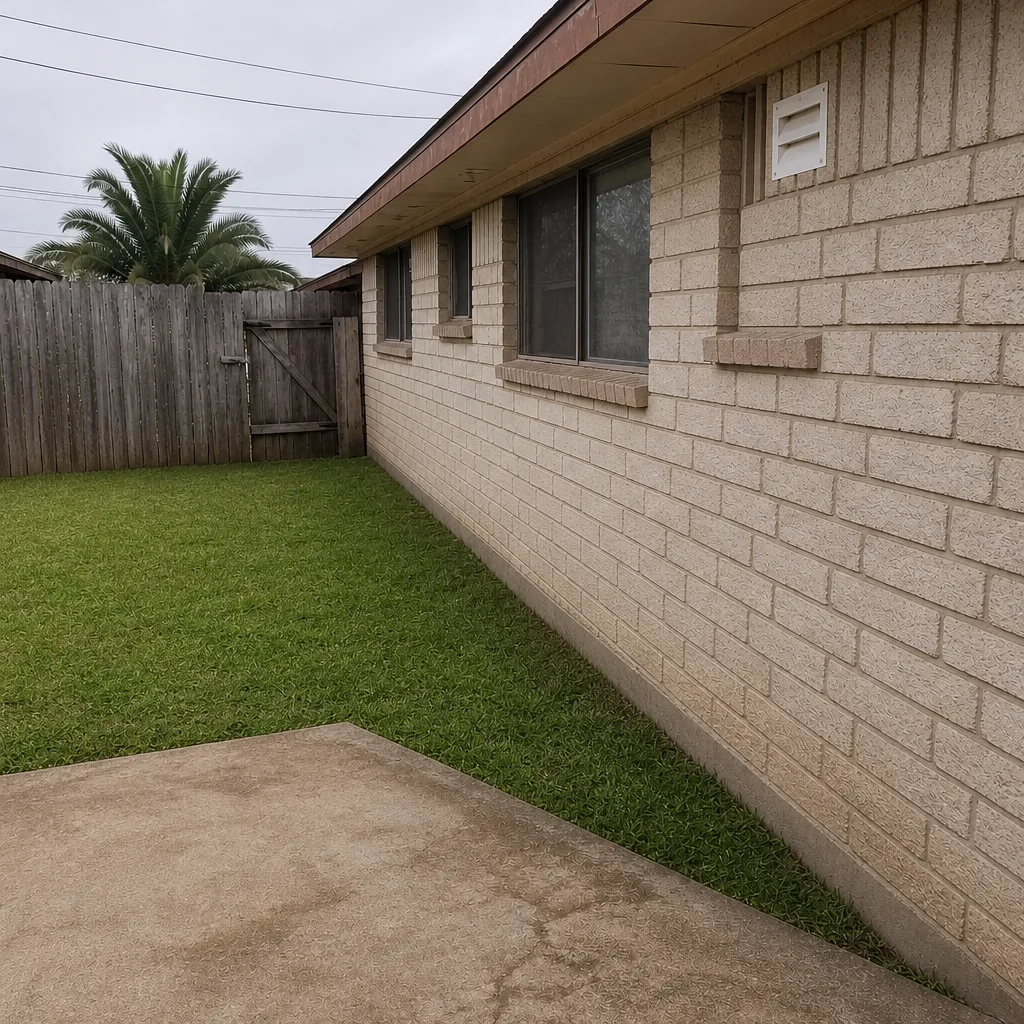
See the difference
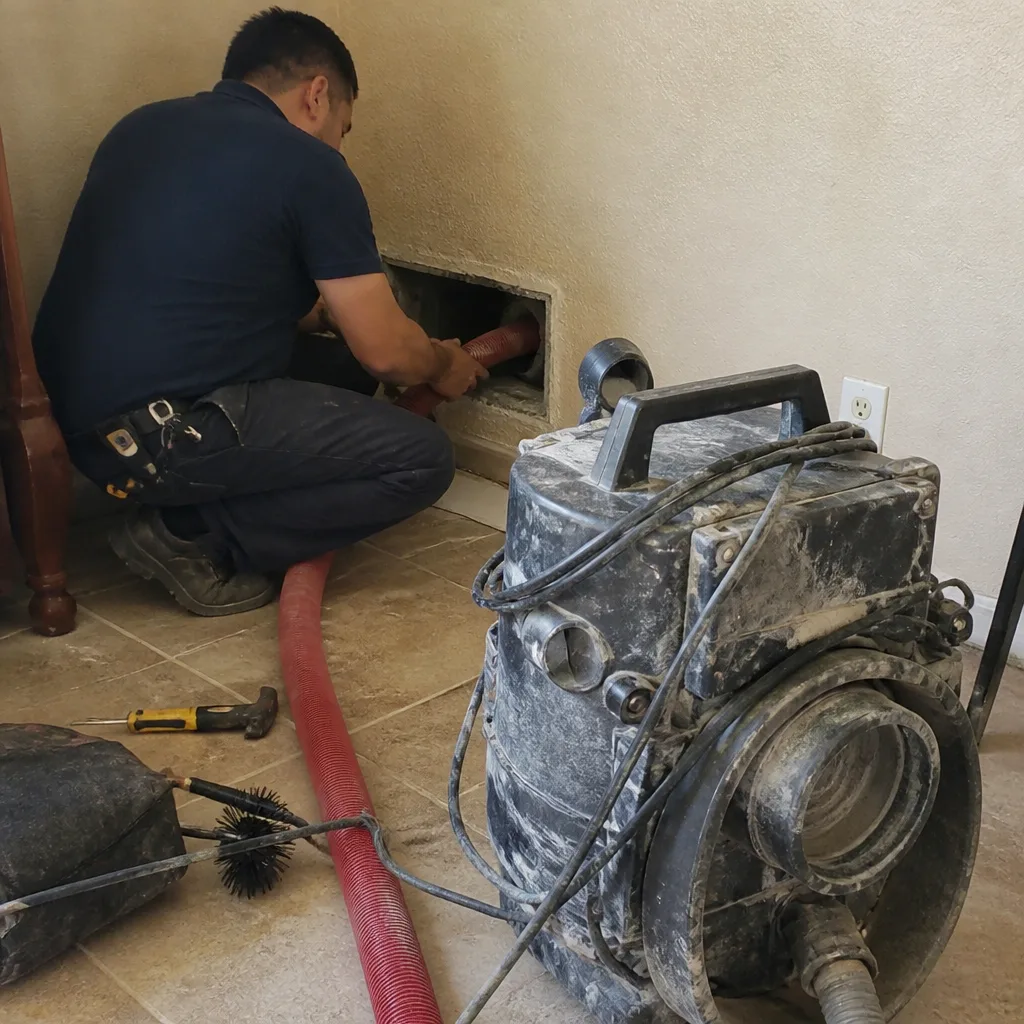 Before
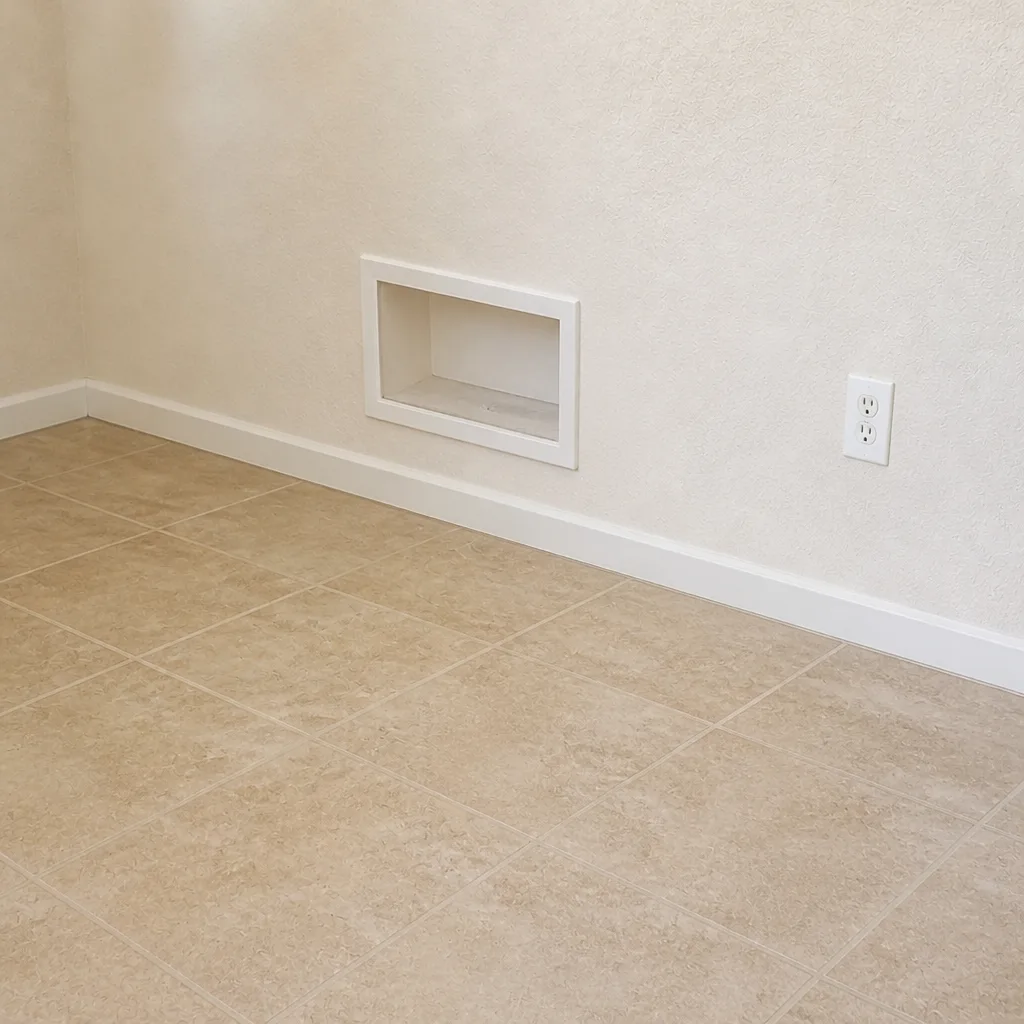 After
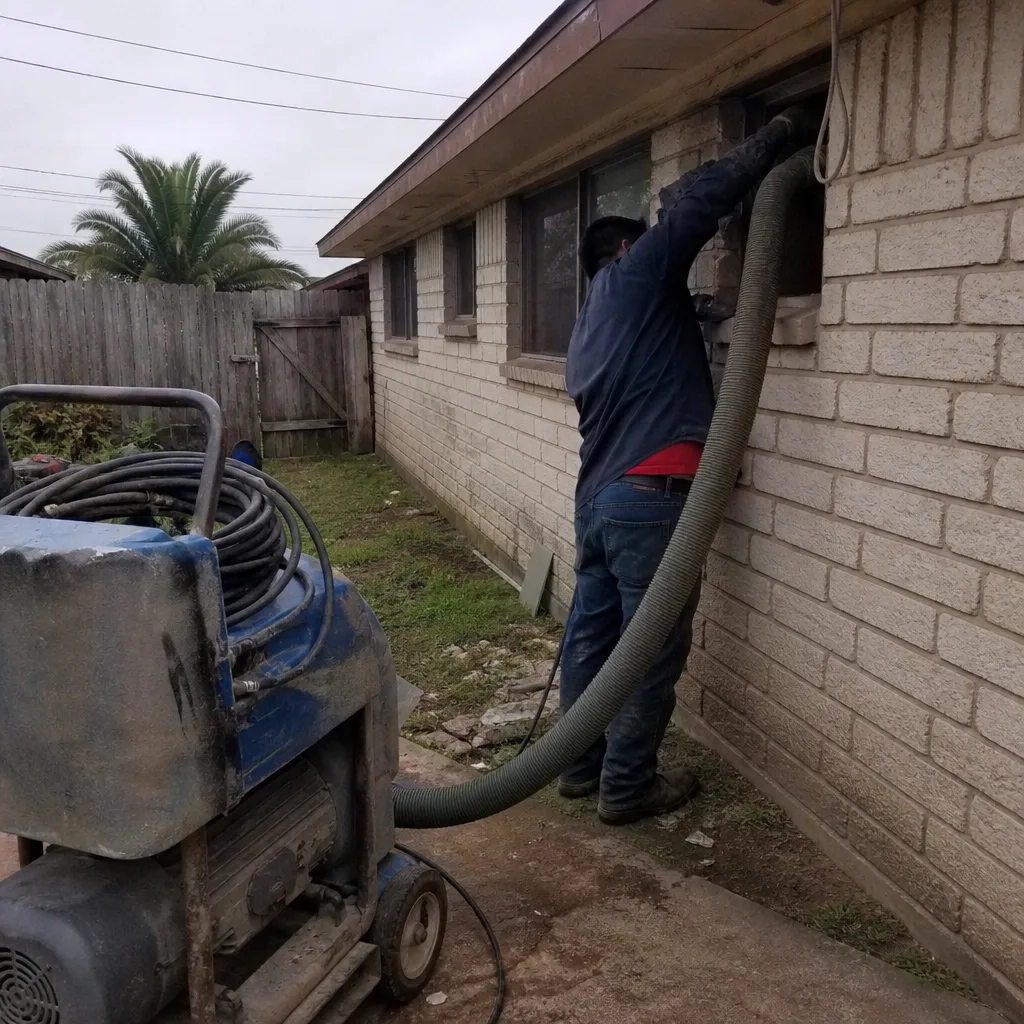 Before
 After
 Before
 After
When to call a professional
Call us when you notice musty odors from your registers, uneven airflow room to room, visible debris around vent covers, or a spike in energy bills that air filter changes haven’t resolved. Call us also if an HVAC technician has flagged your ducts as part of a larger repair, or if a home inspection turned up duct problems before a purchase. Those situations benefit from a proper inspection with documentation and equipment notes – not a shop-vac pass. Sycamore Air Duct Cleaning offers free estimates in Brownsville – call (866) 986-5459. We answer 24/7. Fast dispatch from 7am to 7pm, Sunday through Friday. Our technicians have up to 15 years of experience, and we use professional Rotobrush and Nikro equipment along with Abatement Technologies containment setup on every job where it’s warranted. Your written estimate sets the final price before anyone touches your ducts.
Frequently Asked Questions
No. Air duct cleaning by itself does not require a permit in Brownsville or anywhere else in Texas. A permit becomes relevant only if the work includes repairing or modifying ductwork or touching HVAC components. Call (866) 986-5459 for an exact quote – estimates are free.
It can. Replacing duct sections, altering duct layout, or modifying HVAC components may require a City of Brownsville mechanical permit depending on the scope. Cleaning alone does not. When the scope is unclear, call the city’s building department before work starts, and ask the contractor to state in writing whether the job is cleaning or repair. Call (866) 986-5459 for a free estimate.
Only when work extends beyond the ductwork and touches refrigerant lines, the evaporator coil, or any part of the sealed refrigerant circuit. Cleaning and isolated duct repair do not require Section 608 certification; refrigerant work does. If a technician without certification offers to recharge your system, that’s a red flag. Call (866) 986-5459 to schedule a strictly duct-scope visit.
Mold remediation is a separate category from cleaning, and it falls under Texas TDLR’s mold rules, which have their own requirements for assessment, containment, and clearance. If visible mold growth is present inside the ducts, treat the job as remediation. Our equipment, including Abatement Technologies negative-air containment, is the same standard used in professional remediation projects. Call (866) 986-5459 to talk through your situation.
Keep before-and-after photos of your own system, the written estimate with the scope spelled out, the invoice with equipment names and the date, any permit number if a permit applied, and the contractor’s proof of insurance. This file protects you if a home inspection or insurance claim ever questions the work. Call (866) 986-5459 for a free estimate.
Ask for before-and-after photos of your own ducts and a written scope that names the equipment used, such as a Rotobrush contact cleaning system or Nikro HEPA vacuum. Reviewing the photos against the estimate is the check. A company confident in its equipment will hand both over without being asked. Call (866) 986-5459 for an exact quote – estimates are free.
The Bottom Line
Air duct cleaning doesn’t need a permit in Brownsville, but duct repair and HVAC modifications can. The line between them is the word “modification,” and it’s the single question worth asking before any technician starts work. Refrigerant work requires EPA Section 608 certification, mold remediation follows Texas TDLR rules, and documentation – photos, written scope, invoice, permit number if applicable – is your protection when an inspector or insurer asks questions later. Get the flat price per system agreed before work begins, keep your file, and ask what equipment is coming into your home. That question alone will tell you more about a company than any coupon.
Ready to schedule? Call Sycamore Air Duct Cleaning at (866) 986-5459 for a free estimate. We answer 24/7. Fast dispatch from 7am to 7pm, Sunday through Friday. You can also learn more on our Sycamore Air Duct Cleaning home page.
Written by the team at Sycamore Air Duct Cleaning.