
Last updated November 15, 2026
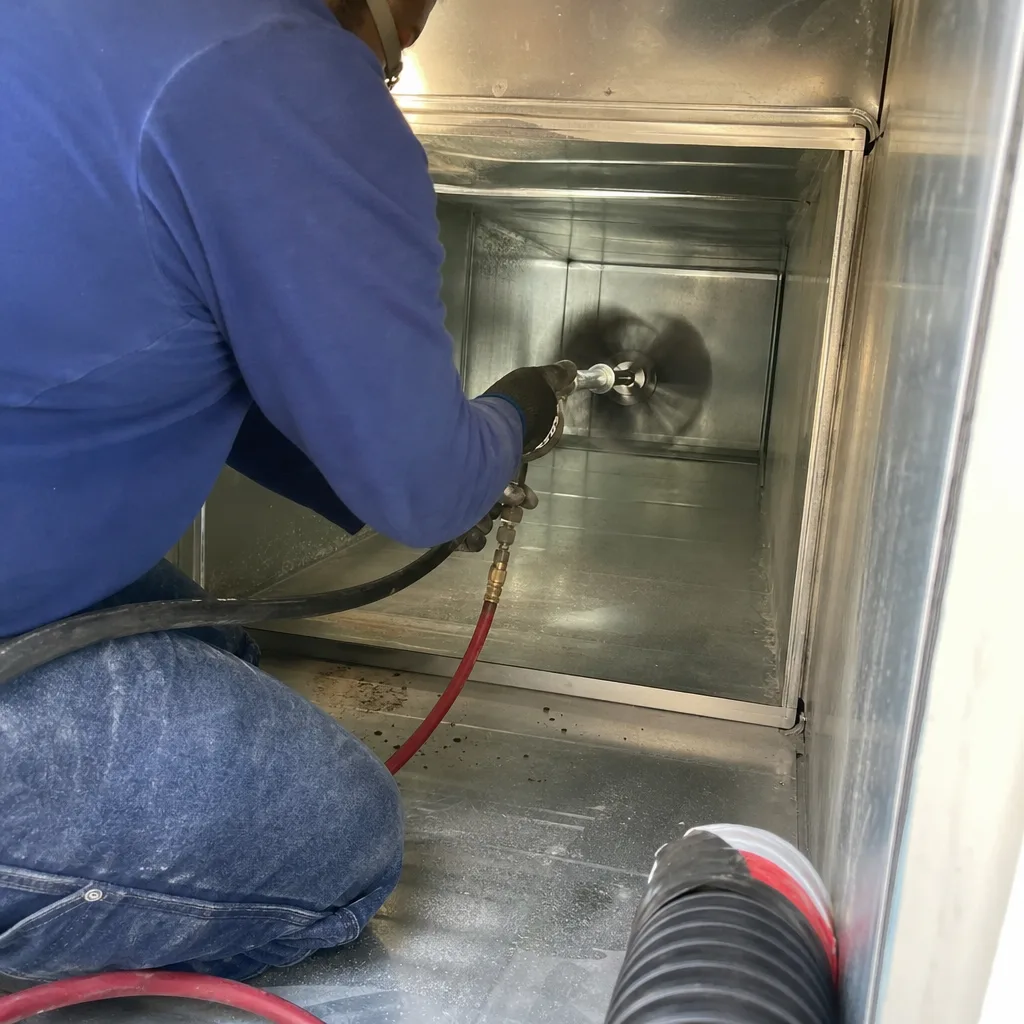
 Whole-home duct cleaning
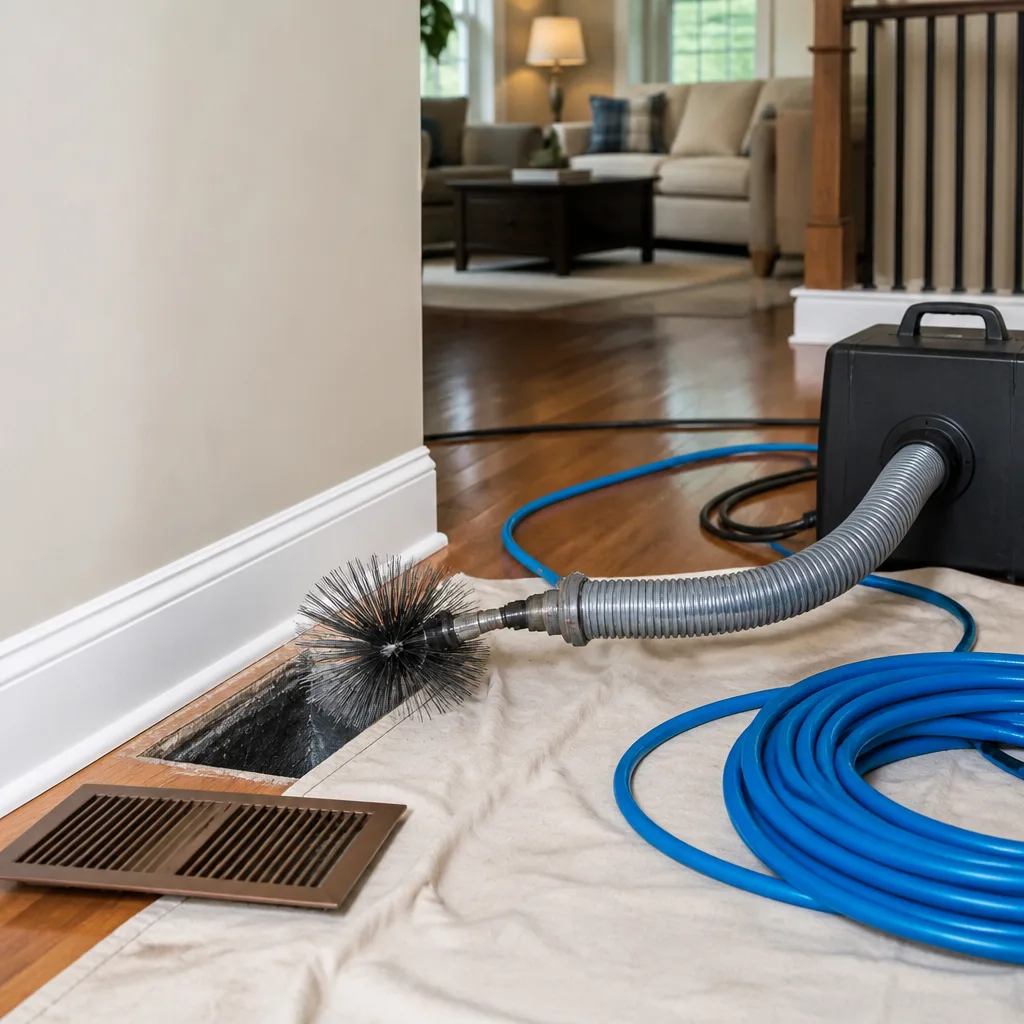
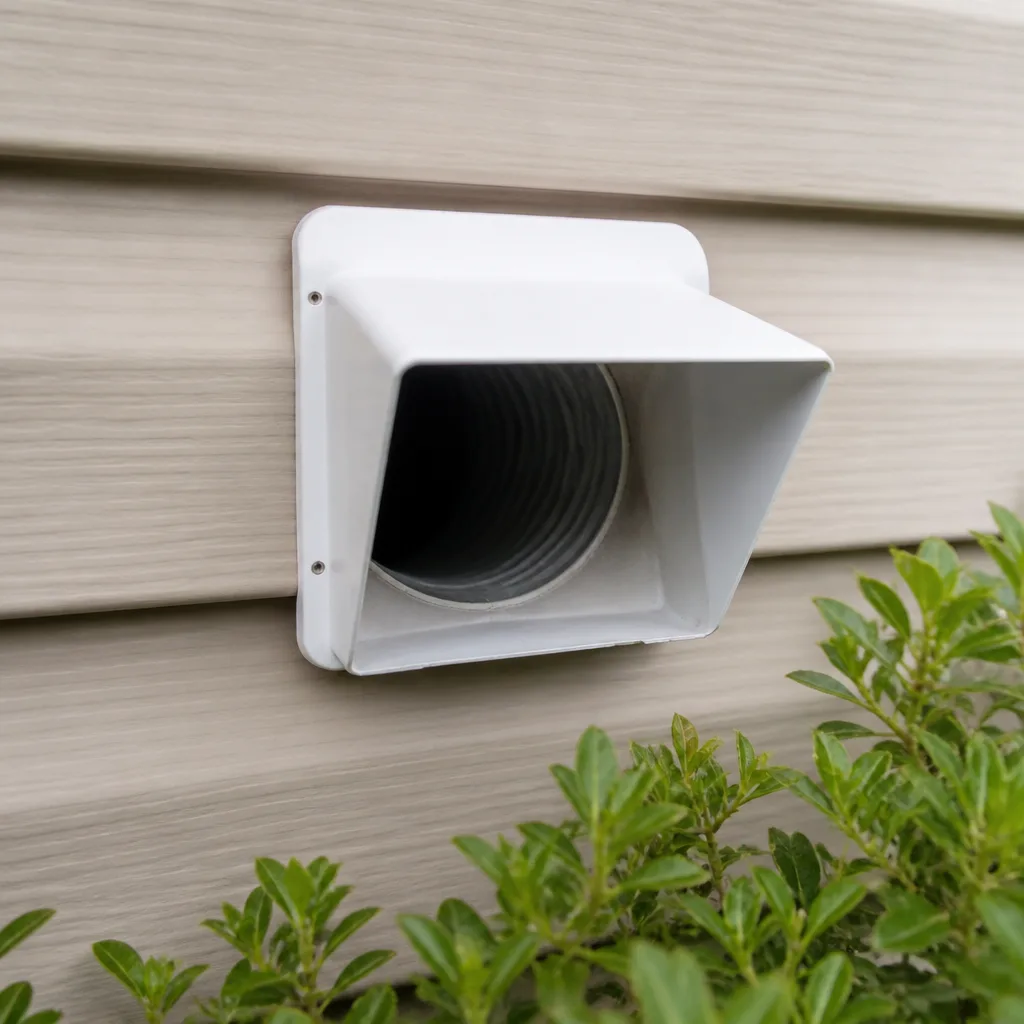 Dryer vent cleaning
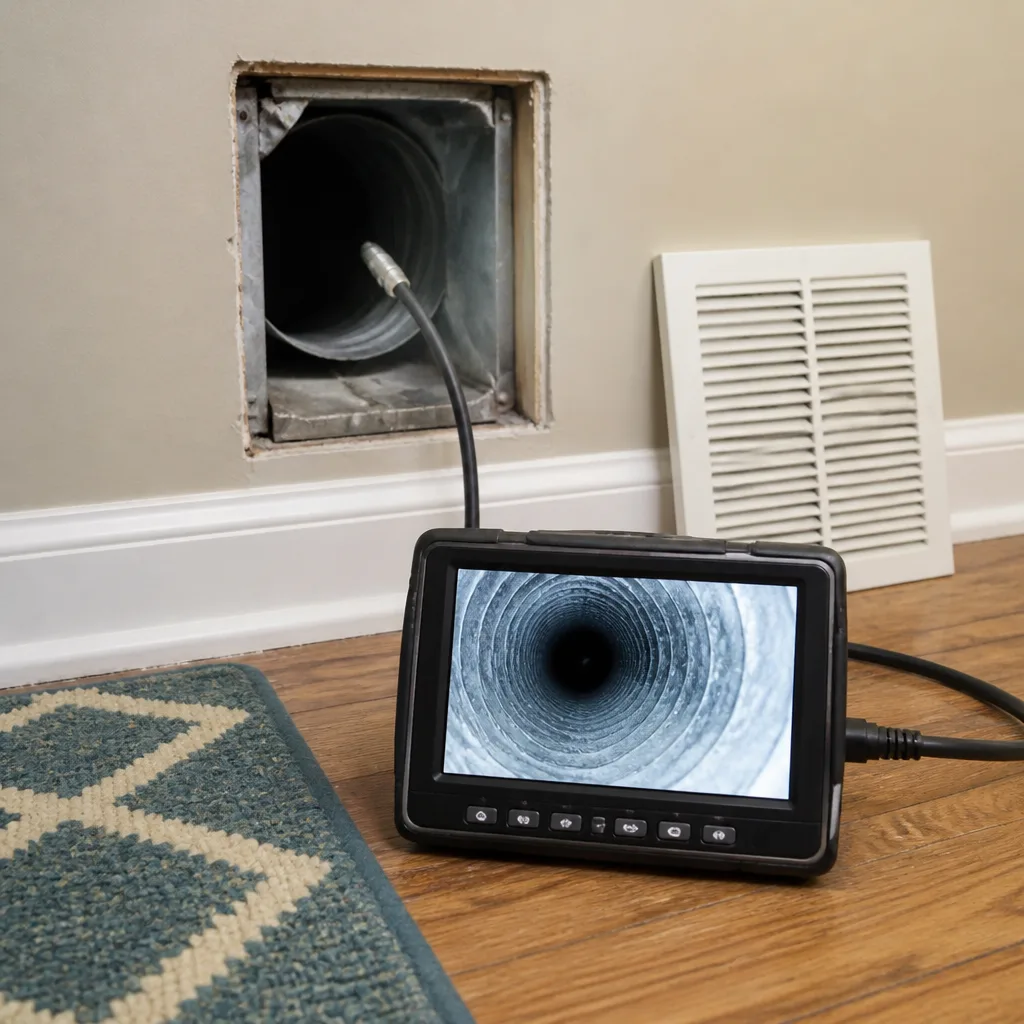 Camera inspection
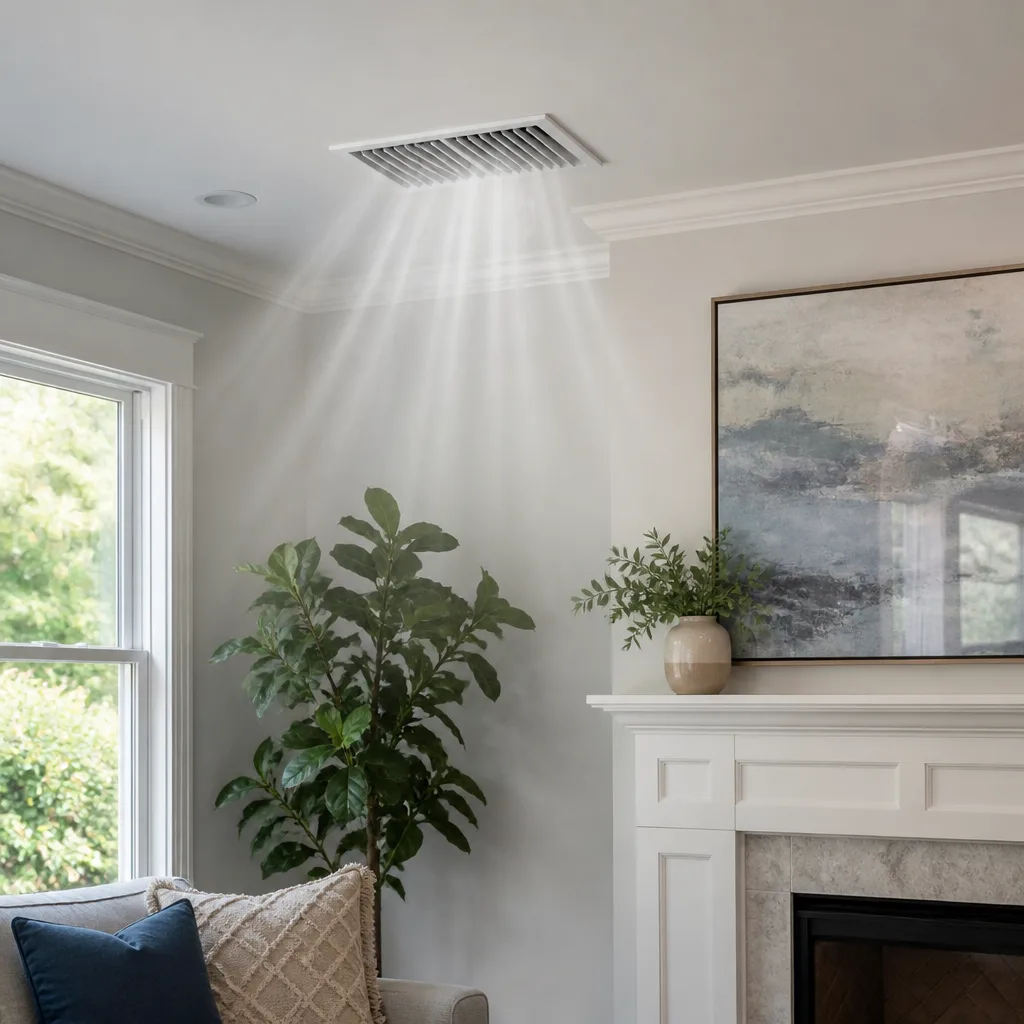 Sanitizing & deodorizing
Whole-system duct and dryer vent check with before-and-after photos - you see exactly what came out of your vents
That "$99 whole-house special" is a bait ad - the real number appears once they are in your hallway, or the "clean" is a shop-vac at the register. We photograph the inside of your ducts before and after instead.
Air Duct Cleaning Maintenance Schedule: What to Do and When
The advice to clean ducts every 3 to 5 years was written for homes where the HVAC runs four months a year. In Brownsville, most systems run 10 to 11 months straight, which changes the math entirely. Add the humidity season that stretches from May through October and the question stops being “how many years?” and becomes “how many hours has my system actually pushed air through these ducts?” That’s the number worth building a schedule around. In this guide, we’ll show you how to calculate a realistic cleaning interval from your home’s real runtime, why filter grade and replacement frequency move that interval more than anything else, which triggers override any schedule, and how Brownsville’s climate shapes the best timing within a year.
Quick Answer
Air ducts in a Brownsville home typically need professional cleaning every 2 to 4 years rather than the national 3-to-5-year average, because the cooling system runs almost year-round and pushes far more air volume through the ductwork. If you run high-efficiency filters and change them on time, you can stretch toward the 4-year end. If you’ve had water intrusion, a renovation, or rodent activity in the attic, that schedule resets immediately regardless of the calendar.
Styles & brands we work with
- Whole-home duct cleaning
- Dryer vent cleaning
- Camera inspection
- Sanitizing & deodorizing
Table of Contents
- Why Calendar Years Are the Wrong Unit for Brownsville
- How to Calculate Your Home’s Cleaning Interval
- Filters: The Single Biggest Variable in Your Schedule
- Timing Within the Year: Brownsville’s Humidity Season
- Triggers That Override Your Schedule Entirely
- What to Inspect and Document Between Cleanings
- Attic Insulation and the Invisible Variable
- What a Professional Cleaning Actually Involves
Why Calendar Years Are the Wrong Unit for Brownsville
A duct system doesn’t age on the calendar. It ages on airflow. Every cubic foot of air that moves through a return grille leaves behind a fraction of dust, and the accumulation curve has more to do with hours of operation than with whether three summers have passed. In a climate where the air conditioner shuts off for a stretch of cool weeks and little else, the runtime hours pile up fast.
Think about what “3 to 5 years” really means in the places that advice came from. A home in a mild northern climate might run cooling for 1,200 hours a year and heating for another 1,500. Total runtime lands somewhere around 2,700 hours annually. A Brownsville home runs the system for cooling most months of the year and light heating in the cooler ones. A realistic annual runtime here is closer to 4,000 to 4,500 hours, and in a home kept at a low setpoint during summer, it can push higher.
That difference compounds. Over three calendar years, a Brownsville system can move roughly the same volume of air that a northern system moves in closer to five. The dust loading in the ducts follows the air volume, not the years. This is why a homeowner in Brownsville who has kept the same schedule advice from a national website will often find the ducts dirtier than the calendar suggests they should be.
There’s a second factor that gets overlooked: continuous positive pressure. A system that runs nearly all the time keeps a steady flow through return ducts, so dust settles in a pattern. Return plenums and the runs closest to the air handler collect faster than supply runs near the far registers. That means a visual check at the farthest register in a bedroom can look fine while the trunk line just above the air handler has been accumulating for years. If you’re seeing dust buildup in some rooms but not others, an air duct repair inspection of the trunk and plenum area is often a better first step than a full cleaning.
How to Calculate Your Home’s Cleaning Interval
You don’t need special equipment to get a working estimate of your system’s runtime. A thermostat with a runtime history feature will tell you directly. If yours doesn’t have one, the checklist below gets you close enough to plan with.
- Determine your average cooling hours per day. In a Brownsville summer, a system running normally to hold a comfortable setpoint will cycle for roughly 8 to 12 hours of actual compressor and blower time per day. In a well-insulated home, closer to 8. In an older home with attic ducts exposed to summer heat, closer to 12.
- Multiply by the months you actually cool. For Brownsville, budget for roughly 8 months of meaningful cooling and 2 to 3 months of light heating, with the remainder being shoulder season.
- Add heating runtime. Winter here is mild, but the furnace or heat pump still runs. Assume 1 to 2 hours per day for the 60 to 90 days of cool weather.
- Divide by your dust accumulation threshold. A practical rule: for a home with a decent filter changed on schedule, schedule professional cleaning when accumulated runtime approaches 10,000 to 12,000 hours. In Brownsville that lands most homes at 2.5 to 3 years, not 5.
- Adjust for household factors. Pets, smokers, recent construction, or a home near a dusty road push the interval shorter. A single occupant with high-grade filtration can stretch it toward the upper end of 4 years.
In practice, this means most Brownsville homes land in the 2-to-4-year window. A high-load household with a dog, an older home, and exposed attic duct runs should assume the low end. A new build with sealed ducts, a good filter, and a modest household can plan on 4 years. Either way, the number is driven by how much air you’ve moved, not how many birthdays the house has had.
A quick runtime table
- Year-round low-setpoint cooling: 4,500+ runtime hours per year → plan for cleaning every 2 to 2.5 years.
- Typical Brownsville home, well-sealed ducts: 3,800 to 4,200 hours per year → 3 years is realistic.
- High-efficiency filter, few occupants, low dust load: 3,500 hours per year → 4 years is defensible.
- Post-renovation, pet-heavy, or dust-prone home: any runtime → clean sooner than the schedule, then restart the clock.
Filters: The Single Biggest Variable in Your Schedule
We’ve seen the same house with the same system land at wildly different cleaning intervals, and nine times out of ten the difference is the filter. A cheap fiberglass throwaway that gets changed at six months does almost nothing for duct cleanliness. A properly rated pleated filter that gets changed every 60 to 90 days does most of the work of keeping the duct interior clean, and stretches your professional cleaning interval by a meaningful margin.
Filter grade matters, but so does fit. A filter that’s undersized for the slot, or that’s pulled loose by airflow, does nothing regardless of its rating. A filter that’s too restrictive for the blower can stall airflow and create a different set of problems entirely. If you want a clean recommendation for your system rather than a generic one, the MERV rating chart the filter’s manufacturer provides is a good starting point, but the real test is how the filter seats in the return grille.
Here’s what actually shifts your schedule:
- MERV 8 to MERV 11 pleated, changed every 90 days: the standard that keeps duct interiors clean enough to stretch toward the 4-year end of the range.
- MERV 13 or higher: good for allergies and airborne particulates, provided the system’s blower is rated for the pressure drop. Change frequency stays at 90 days, sometimes shorter.
- Honeywell and Aprilaire filter cabinets: these hold larger media filters that can run 6 to 12 months depending on model and loading. Sized correctly, they filter consistently and simplify the maintenance calendar.
- Washable electrostatic filters: they work if they’re cleaned on schedule, but skipping the wash for a month does more harm than a cheap filter would.
- No filter, or a filter left in place for a year: the interval collapses. Realistically you’re on a 1-to-2-year schedule and the blower is the next thing that needs attention.
The practical takeaway: get the filter right before you worry about the cleaning interval. A well-chosen filter changed on time is the quiet, boring tool that keeps your duct system cleaner for longer.
Timing Within the Year: Brownsville’s Humidity Season
Brownsville’s humidity season runs May through October. That’s the stretch when moisture in the air is compounded by condensation on cold surfaces, and it’s the only window in the year when cleaning timing actually matters for mold prevention.
Here’s why. Duct interiors that stay cool during the cooling season sit below the dew point of the air passing through them, which means condensation can form on interior surfaces, especially in the first few feet after the cooling coil. If there’s already a layer of dust on those surfaces, it becomes a food source for microbial growth. If the duct runs are clean and dry, the same condensation has far less to work with.
The cleanest timing strategy is to schedule duct cleaning in the April-to-May window, just before the humidity season kicks in. That gives you a clean duct interior heading into the wettest stretch of the year, when the risk of odor and microbial amplification peaks. If you missed that window, cleaning in November or December still does real work, but the duct system clears through the sticky season before it’s clean.
If you’ve noticed a musty smell from any register, especially after the first big humidity week in May, don’t wait for the calendar. That smell is a signal, not a schedule question. A professional with Abatement Technologies negative-air containment equipment can isolate the affected runs during cleaning so that disturbed material doesn’t move through the rest of the house. That’s the same containment standard used in professional remediation, and it’s the right way to handle a moisture-related duct problem rather than a shop-vac job. If the smell persists after cleaning, the trunk and plenum work is often better handled by air duct cleaning plus a focused inspection than by repeat cleaning alone.
Triggers That Override Your Schedule Entirely
Schedules are the baseline. Triggers are the exceptions. If any of the following apply, your cleaning calendar resets, regardless of when the last professional cleaning was.
- Post-renovation: Drywall dust, sawdust, and construction debris travel through the return system during renovation. Clean after construction is complete and all dust-generating activity has stopped. Cleaning mid-project just means cleaning twice.
- Post-water-intrusion: Any event that pushed water into the ducts, the air handler, or the plenum resets everything. If any interior duct surface got wet and stayed wet for more than 24 hours, that’s a cleaning-and-inspection situation, not a “wait a few years” situation. Mold prevention in Brownsville’s humidity deserves the aggressive response here.
- New pet: A cat or dog adds dander and hair that accumulate in the return runs first. Households with shedding pets should expect the low end of the interval.
- Rodent activity in the attic: If you’ve seen droppings, wiring damage, or nesting material, the duct system needs professional inspection and cleaning. Rodent activity contaminates insulation and any breached duct, and it’s a trigger that overrides everything else on this list. Enclosed crawl spaces and attic runs are particularly exposed here.
- A new HVAC installation or major repair: New equipment changes airflow and often disturbs existing dust. Clean after the new system has been running for a few weeks, when the installation dust has settled.
- Persistent odor or uneven airflow: If certain rooms stay warm while others cool well, that’s a signal of a blocked or disconnected run. Treat it as an inspection trigger. Duct repair to any disconnected joint is part of the fix.
- Fire or smoke event: Any fire event, even a minor one, dictates cleaning and assessment before you run the system normally again.
What to Inspect and Document Between Cleanings
You don’t need a professional visit to spot the early indicators. A short quarterly inspection gives you a useful record and helps you confirm whether the calendar is holding or needs to be adjusted. Here’s what we recommend.
Quarterly inspection checklist (10 minutes)
- Remove and photograph the return grille. Buildup on the grille is a leading indicator of duct condition. If it’s visible on the grille, it’s visible inside the duct.
- Shine a light into the return opening. You’re looking for dust film, debris, and any sign of moisture or discoloration. Don’t reach into the duct. Photograph what you can see.
- Check the supply registers for dust marks. Heavy buildup at the diffuser vanes suggests debris moving through, not settling.
- Note odors. Musty, sour, or “dirty sock” smells, especially when the system starts, are worth tracking with the date you noticed them.
- Log the filter change date and grade. A short written log makes it easy to see whether you’re actually hitting the 90-day mark or letting it slip.
- Note airflow changes. If a register that used to blow hard now blows weak, log it. That’s a repair signal.
- Inspect the attic for moisture signs. Look for staining on the duct insulation or the decking. Do this only if the attic is safely accessible; otherwise, leave it to a professional.
Keep this log in a notes file on your phone. When you eventually call for a cleaning, you’ll have a real record of what you saw and when. And here’s a challenge worth taking seriously: ask what equipment is coming into your home. A professional-grade system like a Rotobrush contact-cleaning unit combined with Nikro HEPA vacuum equipment does genuinely better work than an improvised shop-vac setup, and a company confident about its equipment will tell you exactly what’s coming. That’s the standard worth asking about at every step of the calendar.
Attic Insulation and the Invisible Variable
Most homes here have duct runs through the attic, and the attic is the least inspected part of the system. The condition of the insulation around those runs determines how hard the system has to work to hold a setpoint, which determines runtime, which determines how fast the ducts load up.
When attic insulation is compromised, the supply ducts lose cooling before the air ever reaches a register. The system runs longer to compensate. Longer runtime means more air volume through the ducts, which is more dust accumulated per calendar year. It’s a chain that starts with insulation and ends with a much shorter cleaning interval.
Insulation condition isn’t just a thermal question either. Insulation that has shifted, been pulled back for a repair, or been compressed over the years creates uneven performance in the duct runs nearest it. The supply run passing through a hot attic section takes on more heat load, the system fights harder, and the runs further from the air handler see more condensation risk during the humidity months. That’s the variable most schedules miss entirely.
When we assess a Brownsville home, we look at the duct condition and the surrounding insulation together. We’re familiar with the practical Honeywell and Aprilaire product line from the airflow side, and we can tell you when an insulation issue is likely driving your runtime up and shortening your cleaning interval. That’s information you can use with whichever contractor handles your insulation work; it isn’t in our scope, but the duct implications are.
What a Professional Cleaning Actually Involves
A maintenance calendar only makes sense if the cleaning itself is done correctly. Here’s what a proper full-system cleaning should look like, so you know what to compare against when you get quotes.
- System assessment. Every register and return should be opened and inspected before cleaning begins. Disconnected runs, damaged flex duct, and moisture-damaged sections are identified first.
- Containment setup. A professional uses negative-air pressure and containment to keep disturbed dust from escaping into your living space. Abatement Technologies equipment is the standard in professional remediation, and it’s what we use.
- Contact cleaning of every run. Rotobrush contact-cleaning tools agitate the duct interior while a HEPA vacuum pulls the loosened material out. This is the step that separates a real cleaning from a pass with a shop-vac.
- Trunk and plenum cleaning. The main trunk line and the plenum at the air handler require dedicated tooling. They’re the highest-loading parts of the system and the easiest to skip.
- Register and diffuser wipe-down. The visible parts should look clean when the job is done. We use Guardsman surface protection where it applies, so your finishes survive the visit as well as your ducts do.
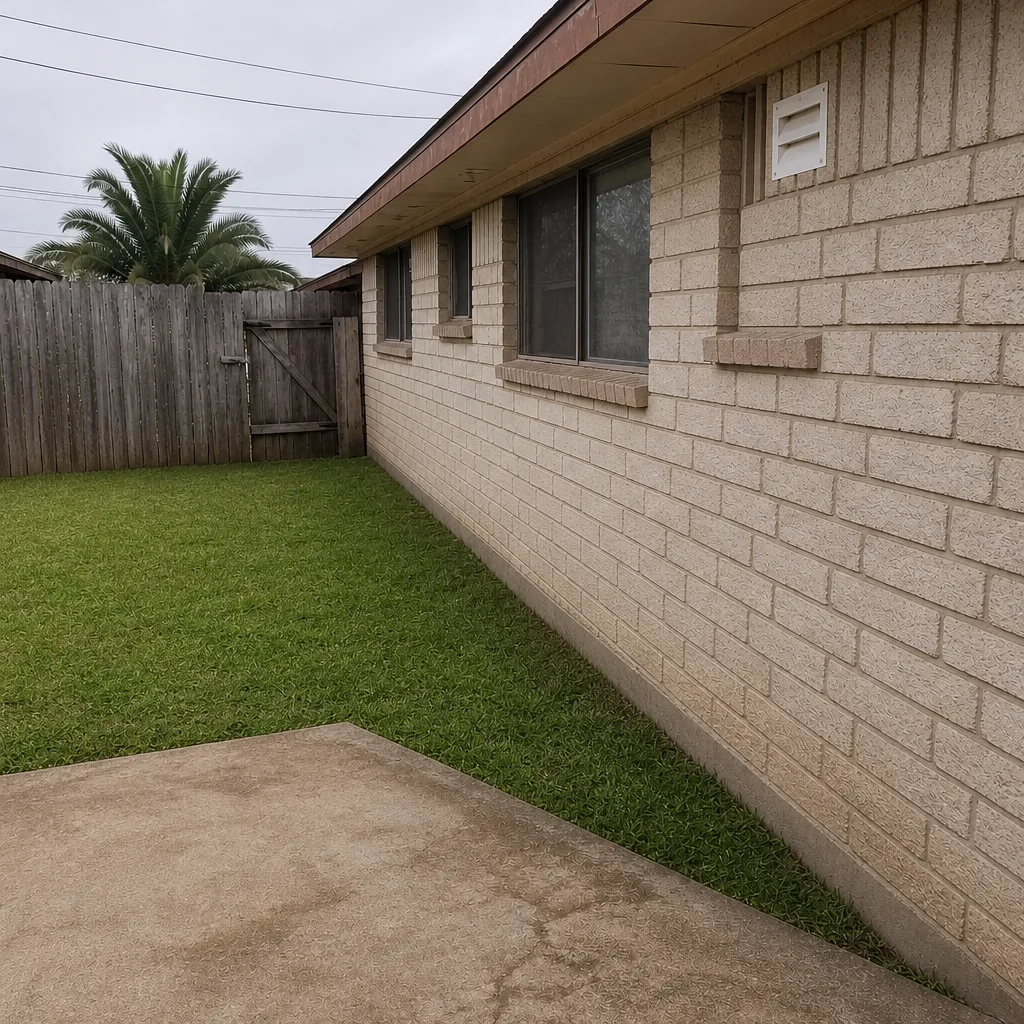
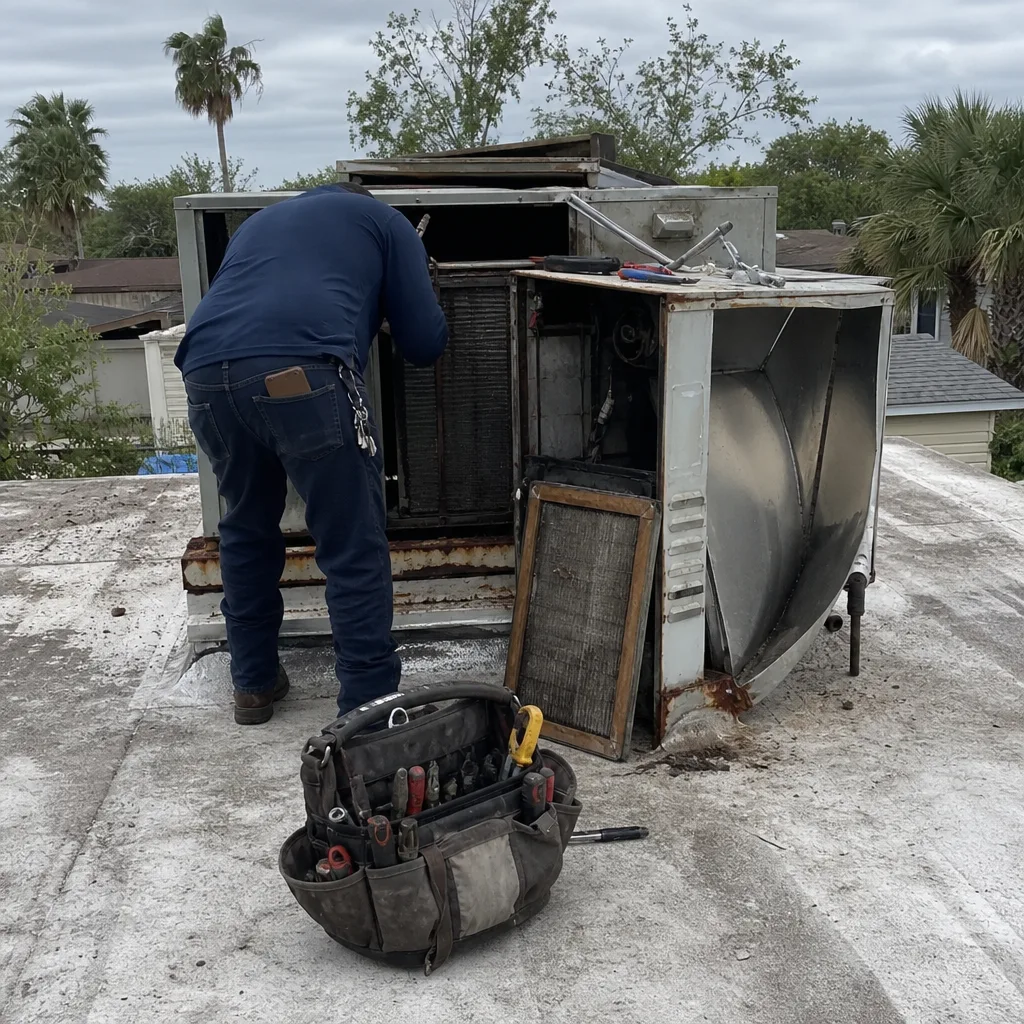
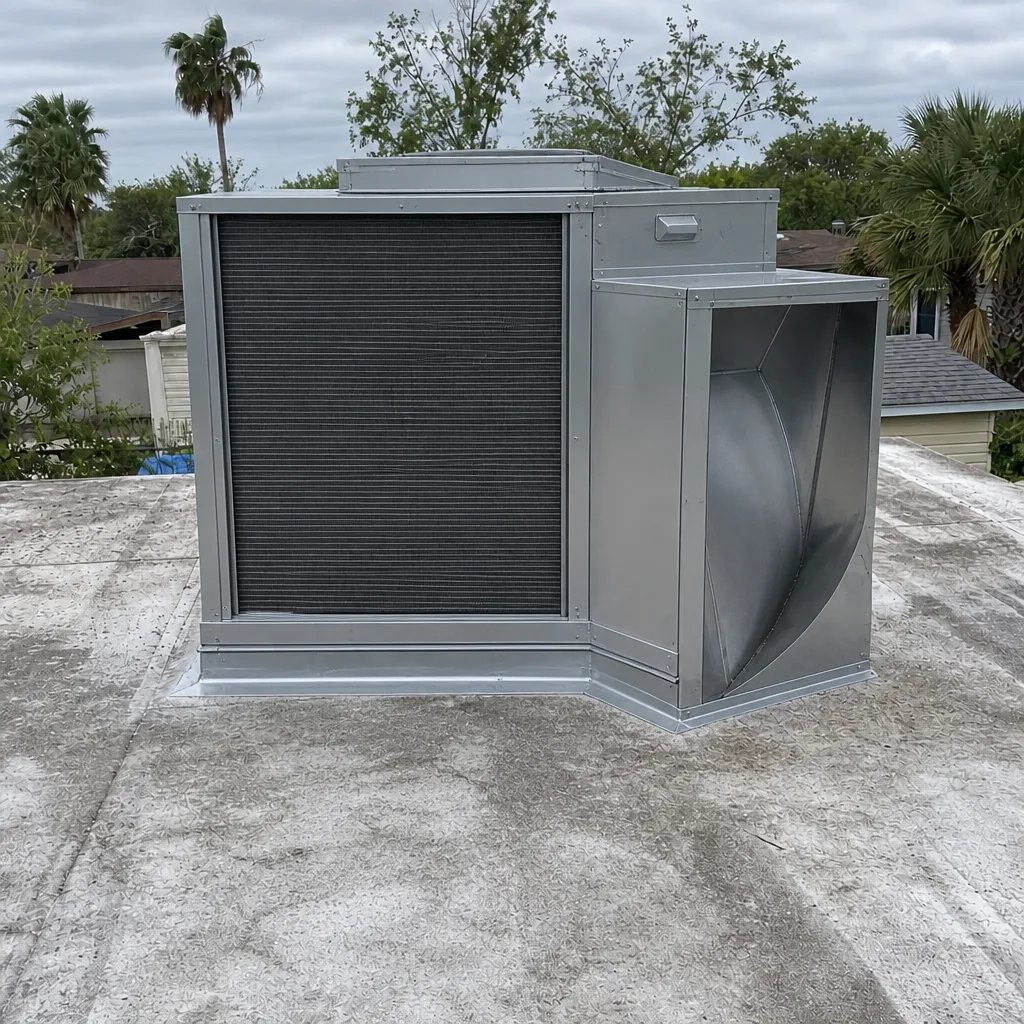
- Before-and-after documentation. Photographs of the duct interiors before and after give you verification of what was actually removed. Ask for them.
Beyond the cleaning itself, three services cover the full lifecycle of your duct system: cleaning, dryer vent cleaning, and duct repair. The dryer vent is worth treating as its own maintenance track. Lint accumulation in a dryer vent is a leading cause of residential fires, and the interval is shorter than most homeowners assume. Check the drip line every few months, and schedule a professional cleaning whenever you notice slower drying times. The same discipline that keeps your ducts clean applies to the dryer ductwork, and skipping it isn’t a maintenance footnote.
Common Mistakes to Avoid
- Treating the national 3-to-5-year advice as gospel. Those years were written for a cooling season of four months, not ten. In Brownsville, a system that runs year-round passes far more air volume before that advice expires.
- Choosing a filter by price instead of by fit. A cheap filter changed properly beats an expensive filter that doesn’t seat. Most return grilles leak around an undersized filter, so the airflow bypasses filtration entirely.
- Cleaning mid-renovation. Cleaning while the sawdust is still flying means cleaning again in a month. Finish the project, do a final sweep, then clean the ducts.
- Skipping the attic inspection between cleanings. The attic holds most of the ductwork in a Brownsville home, and deterioration in flex duct, disconnected joints, and moisture intrusion all start there. It’s the single most overlooked part of the maintenance calendar.
- Assuming clean means clean. A shop-vac pass over the register openings does not clean the run. Look for HEPA extraction and contact agitation as the mark of real cleaning.
- Ignoring the humidity season. Scheduling a cleaning in July, when condensation risk is highest, is fine only if the ducts are dry before and after. Cleaning to prevent mold in May beats reacting to a musty smell in August.
- Letting the dryer vent slide. Duct cleanliness and dryer vent safety are two different maintenance tracks. Lint accumulation in the dryer vent is a fire risk, not a seasonal chore to skip when you’re busy.
See the difference
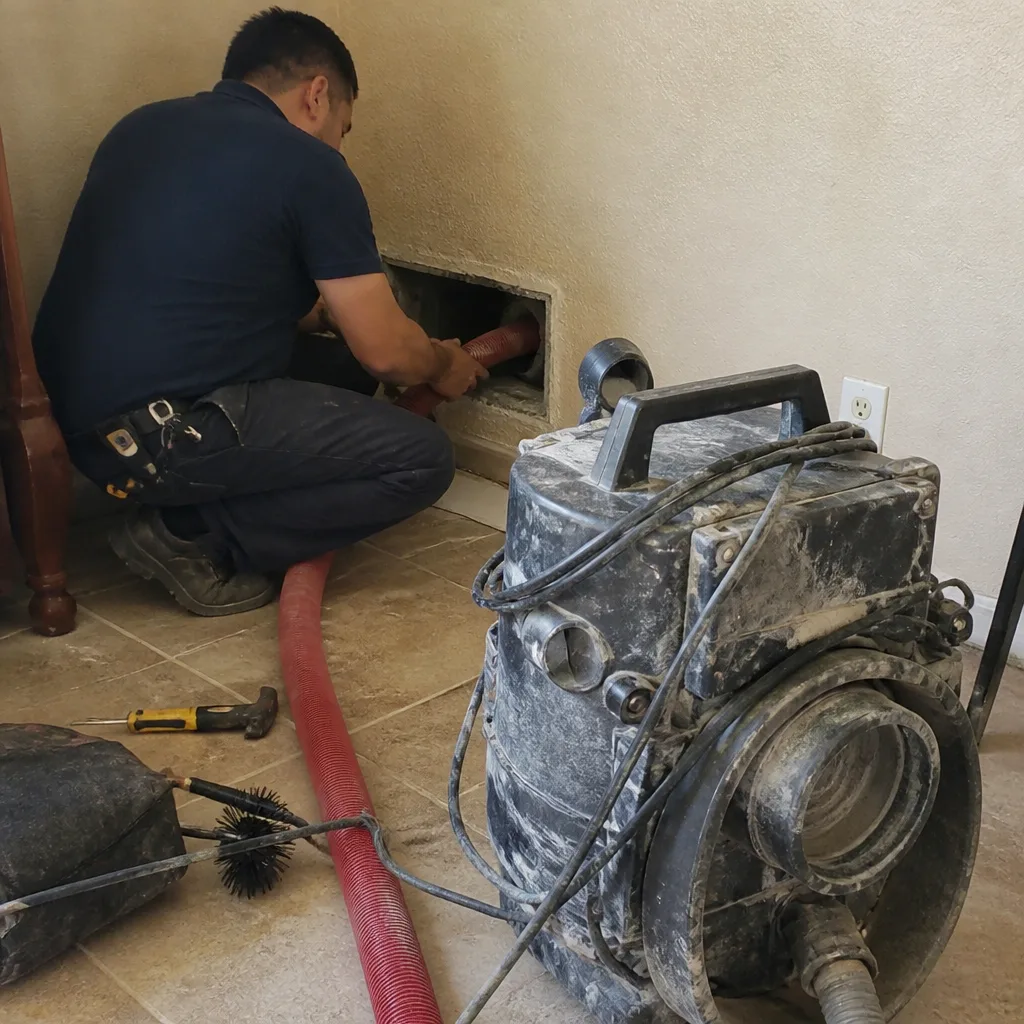 Before
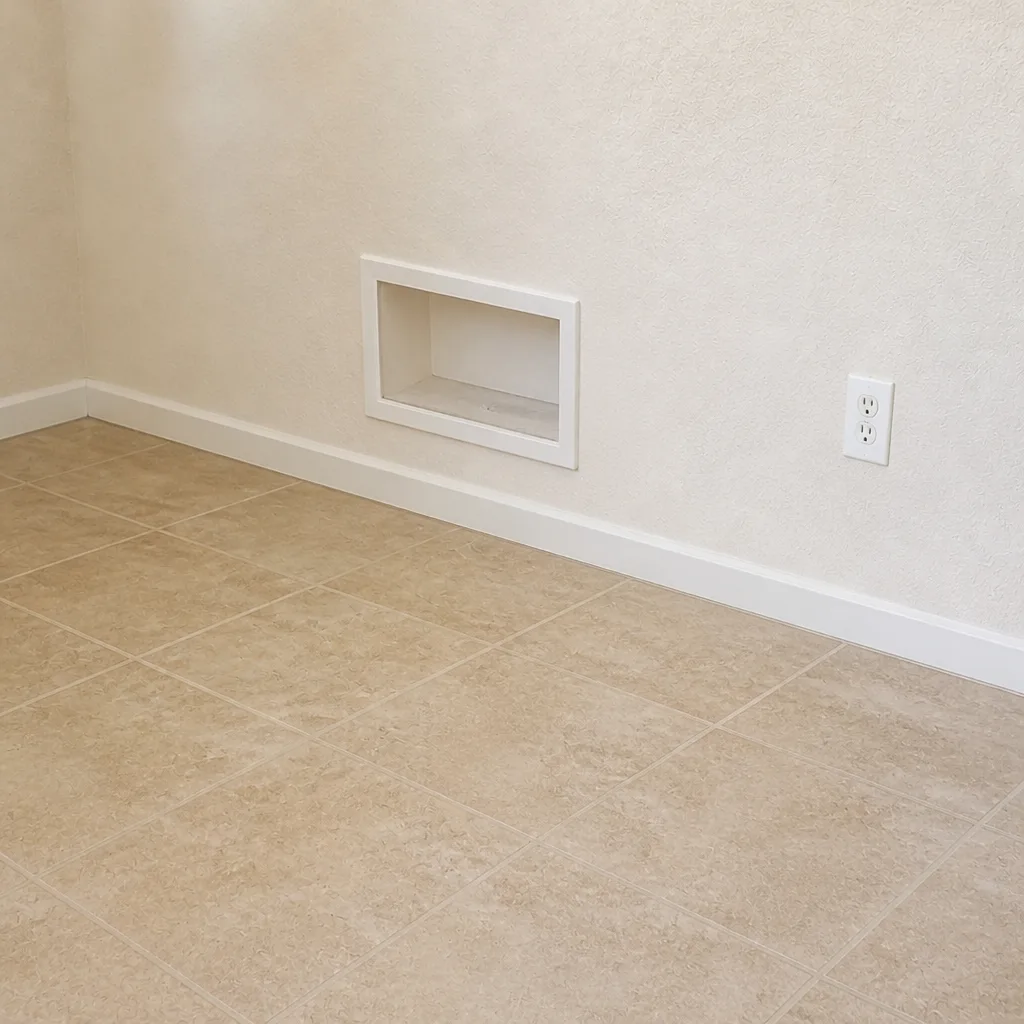 After
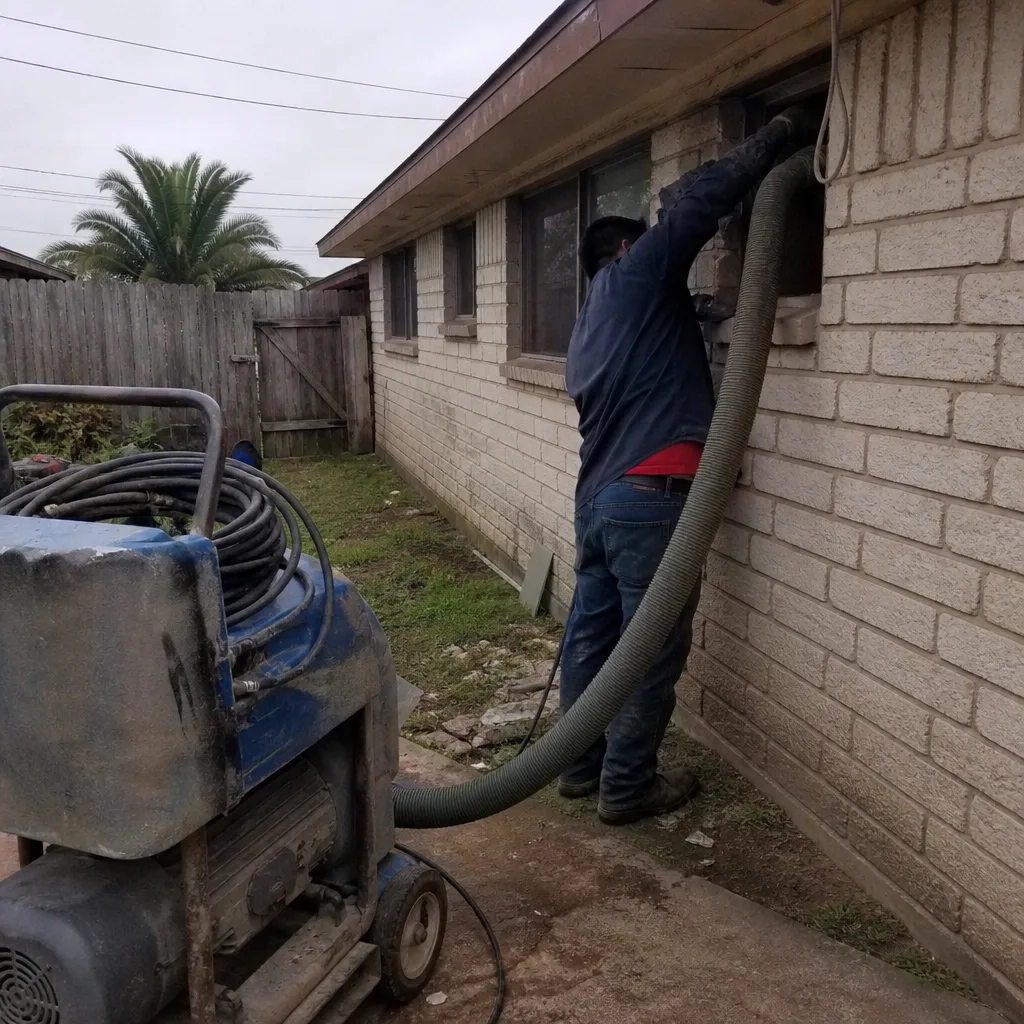 Before
 After
 Before
 After
When to Call a Professional
Your schedule is a starting point, not a trigger. Call a professional sooner if any of these apply: you’ve seen visible dust on register grilles or a film inside the return opening; a musty odor shows up at any register; you’ve had water intrusion, a renovation, or rodent activity in the attic; airflow at one or more registers has clearly weakened; or the filter log shows you’ve been stretching past 6 months. Each of these overrides the calendar entirely. For a duct system that’s simply approaching the runtime threshold, a professional inspection confirms whether the cleaning is due now or can wait a season. Sycamore Air Duct Cleaning offers free estimates in Brownsville. Call (866) 986-5459. We answer 24/7. Fast dispatch from 7am to 7pm, Sunday through Friday.
Frequently Asked Questions
Every 2 to 4 years for most Brownsville homes, driven by runtime rather than calendar years. The system here runs 10 to 11 months, so an interval that fits a northern climate is often too long for South Texas. If you’re near the low end with a pet or an older home, plan for 2 to 3 years. Call (866) 986-5459 for an estimate tailored to your home.
Yes, in a specific way. The humidity season runs May through October, and condensation on cool duct interiors can combine with accumulated dust to create microbial growth. Cleaning before the season, in April or May, gives you a clean interior heading into the wettest stretch. If there’s already a musty odor, don’t wait for the calendar. Call (866) 986-5459, and we’ll help you time the visit.
Filter quality and replacement frequency, without question. A properly rated pleated filter changed every 90 days can stretch a 3-year interval to 4. A filter left in place for a year or more collapses the interval to 2 years or less, and the blower typically suffers first. The second biggest factor is attic insulation condition, because it drives runtime. Call (866) 986-5459 for a free estimate.
No, and it’s worth being blunt about why. A shop-vac doesn’t have the suction, the containment, or the agitation tools to clean a duct run properly, and the process stirs dust back into the living space. Professional equipment like Rotobrush contact-cleaning tools combined with Nikro HEPA extraction does the actual work. Negative-air containment with Abatement Technologies equipment keeps the dust out of your rooms. Call (866) 986-5459 for an estimate.
Visible dust on the register grilles, a film inside the return opening, musty odors at any register, and sudden weak airflow in one or more rooms are the strongest early signals. Log them with dates. Any one of these is a reason to schedule an inspection sooner, not a reason to wait. Call (866) 986-5459 and estimates are free.
Photograph the return grille, shine a light into the return opening without reaching in, check supply registers for dust marks, note any odors with dates, log your filter change date and grade, note airflow changes, and inspect the attic for moisture signs if it’s safely accessible. Keep it simple. The log is what tells you whether the schedule is holding. Call (866) 986-5459 if anything on the list looks off.
The Bottom Line
The right duct cleaning interval in Brownsville is 2 to 4 years, determined by runtime hours, filter grade, attic insulation condition, and whether the home has ever had water intrusion. The national 3-to-5-year rule assumes a much shorter cooling season than the one we live with. Clean before the May humidity season when you can, keep a real filter log, and treat any renovation, water event, or rodent discovery as an immediate reset. If you’re unsure where your system lands, ask a professional who will tell you what equipment is going into your home.
When your schedule calls for a real cleaning, Sycamore Air Duct Cleaning is ready in Brownsville. We clean, repair, and protect the full system with professional-grade equipment and the same containment standards used in remediation. Call (866) 986-5459 for a free estimate. We answer 24/7. Fast dispatch from 7am to 7pm, Sunday through Friday. Learn more at Sycamore Air Duct Cleaning.
Written by the team at Sycamore Air Duct Cleaning.