
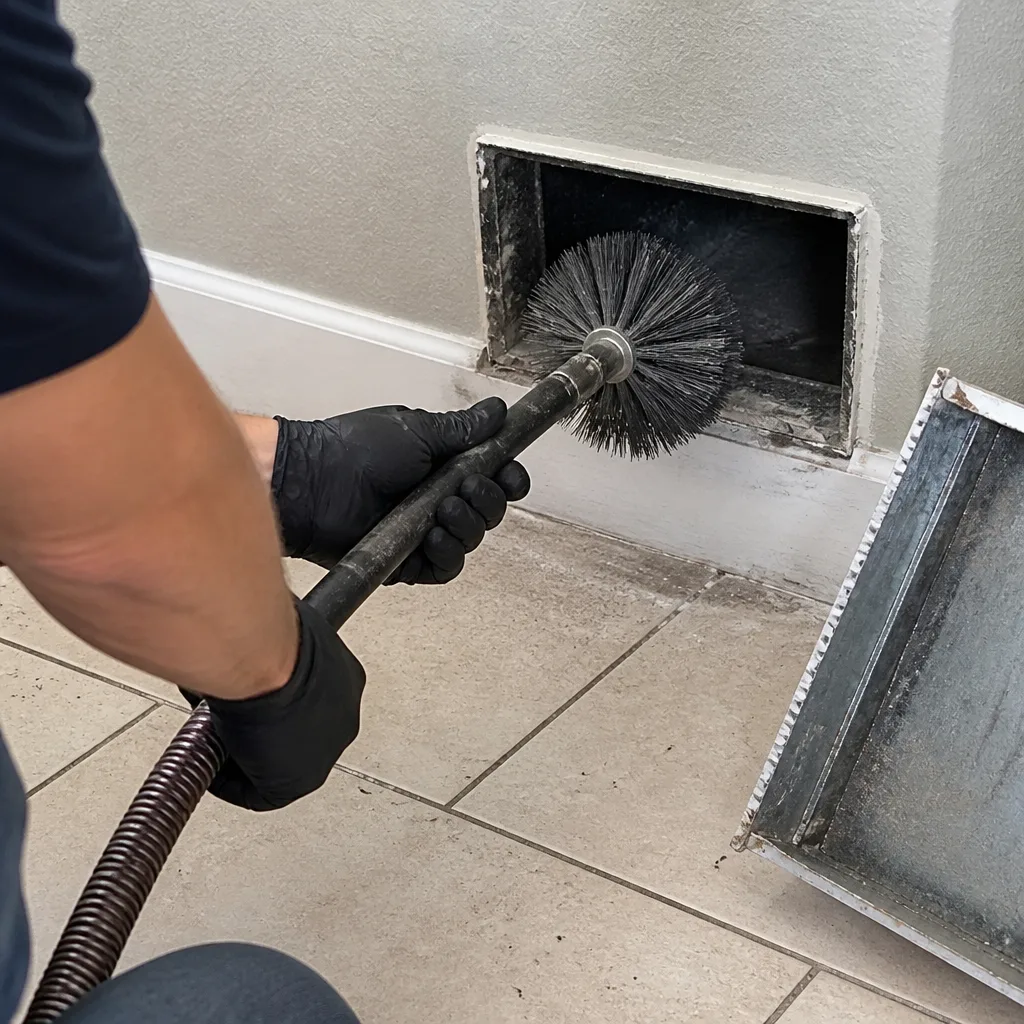
Last updated November 15, 2026
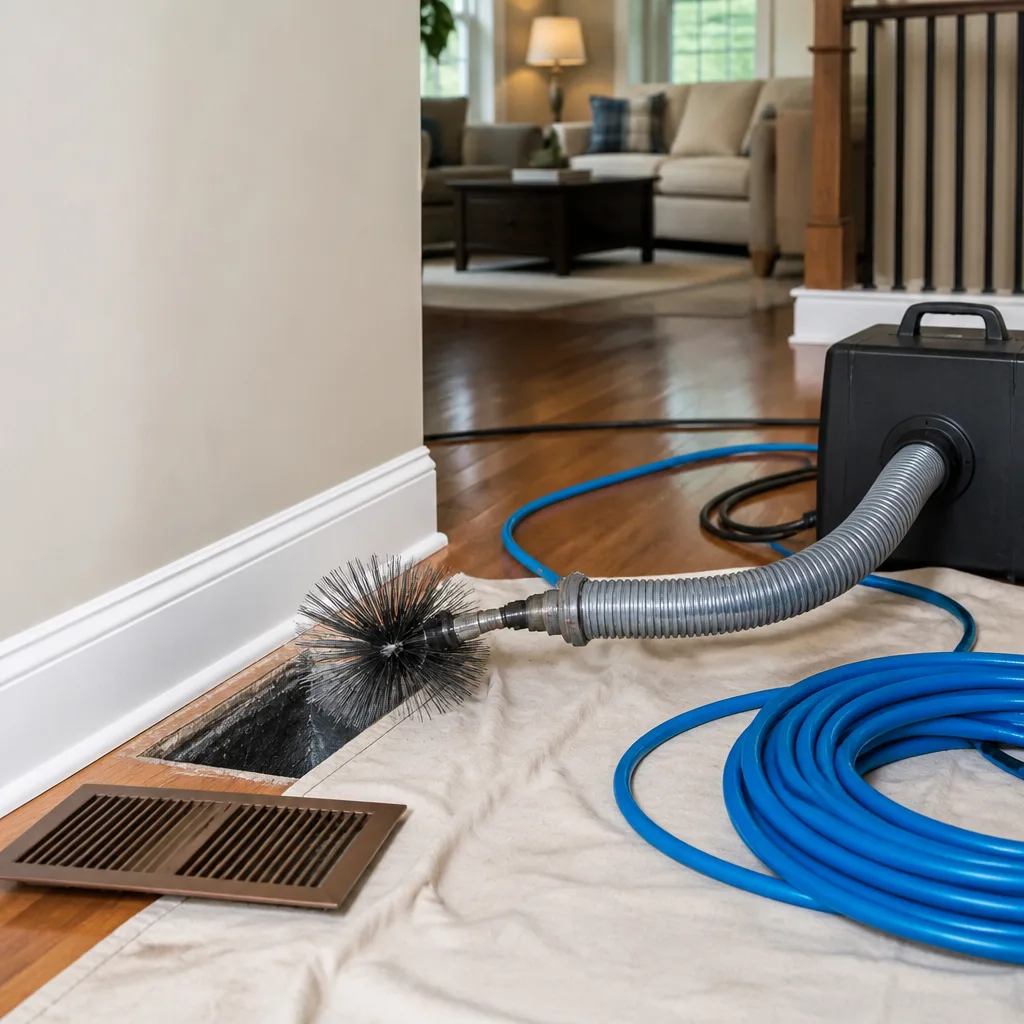 Whole-home duct cleaning
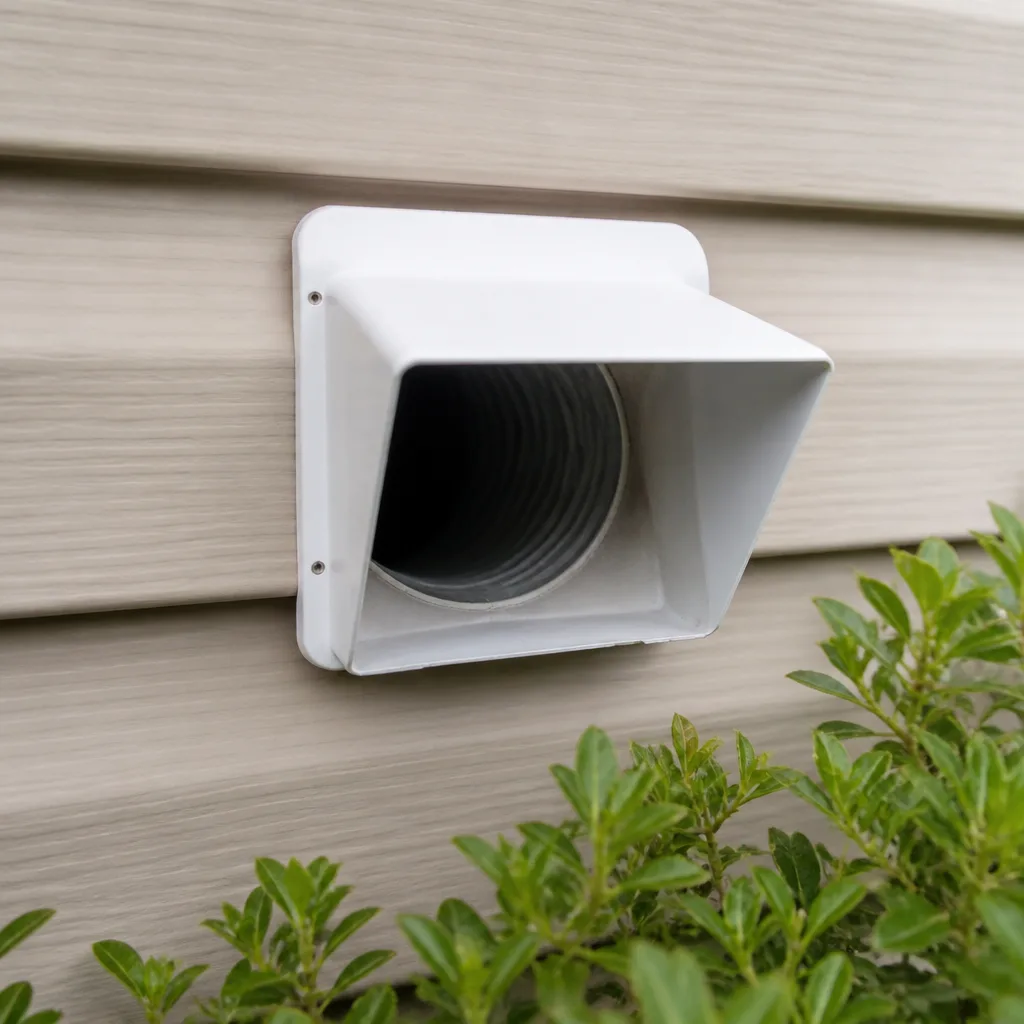 Dryer vent cleaning
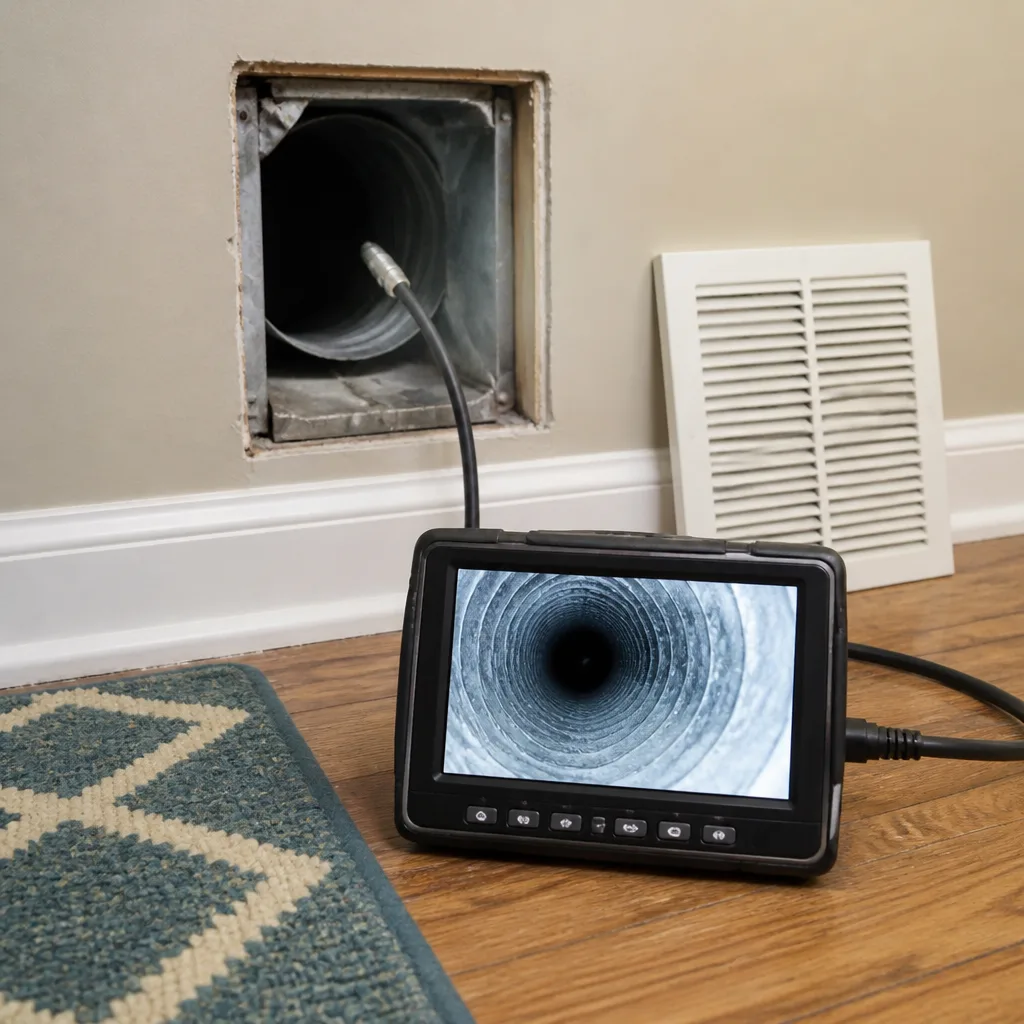 Camera inspection
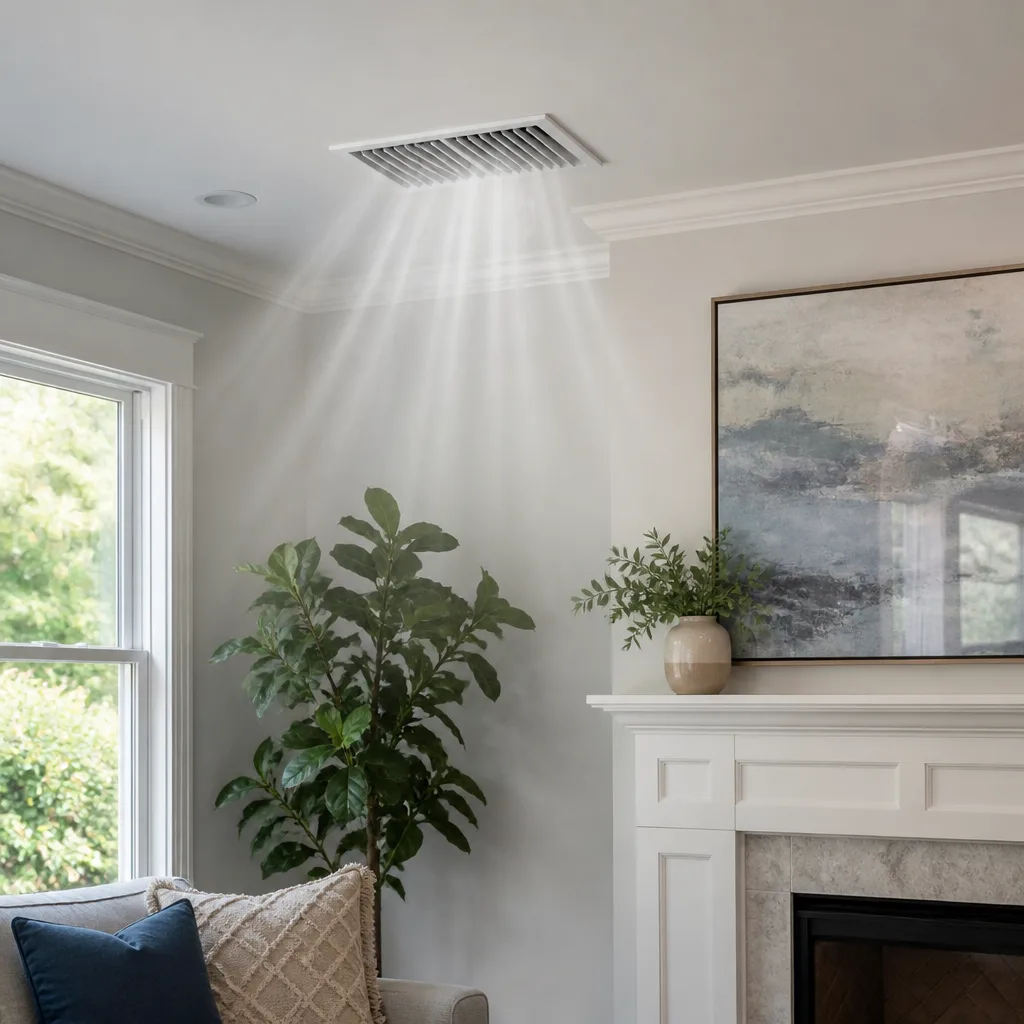 Sanitizing & deodorizing
Whole-system duct and dryer vent check with before-and-after photos - you see exactly what came out of your vents
That "$99 whole-house special" is a bait ad - the real number appears once they are in your hallway, or the "clean" is a shop-vac at the register. We photograph the inside of your ducts before and after instead.
DIY vs Professional Air Duct Cleaning: The Brownsville Homeowner’s Decision Guide
Most homeowners assume duct cleaning is just vacuuming, and that a strong shop vac can do the same job for less money. That assumption breaks down over distance. A shop vac can pull loose dust from the first foot of a supply register, but in Brownsville’s flex-duct-heavy housing stock, the average duct run stretches 15 to 25 feet through attics that cook at triple-digit temperatures for months. The contamination that matters lives in the section you can’t see or reach. This guide explains exactly where the DIY boundary sits, what consumer and rental equipment can genuinely deliver, and how to decide which side of that line your home falls on.
Quick Answer
DIY duct maintenance is genuinely useful for surface work: register cleaning, return grille washing, filter changes, and dryer vent inspection. Professional air duct cleaning is required when contamination has built up inside the duct runs themselves, because source removal depends on sustained negative pressure that only a truck-mounted or large portable vacuum unit can create. In Brownsville’s flex-duct systems, improper DIY brushing can also cause real damage, which is why the equipment question matters as much as the effort question.
Styles & brands we work with
- Whole-home duct cleaning
- Dryer vent cleaning
- Camera inspection
- Sanitizing & deodorizing
Table of Contents
- Why Duct Cleaning Is a Pressure Problem, Not a Brushing Problem
- What You Can Legitimately Do Yourself
- The Specific Risks of DIY on Brownsville’s Flex Duct Systems
- What Rental Equipment Actually Delivers
- When DIY Is Enough and When It Isn’t: A Decision Matrix
- What a Professional Duct Cleaning Actually Involves
- The One Vent You Should Never Ignore
- What Professional Service Costs and Why Cheap Quotes Are Cheap
Why Duct Cleaning Is a Pressure Problem, Not a Brushing Problem
Duct cleaning works on a simple principle: agitate the contamination, then capture it under negative pressure so it leaves the system instead of settling back into the airstream. Agitation is the easy half. Capture is where equipment separates.
Professional systems create a sealed negative-pressure environment across the whole duct network, typically achieved with a large vacuum unit connected to the main trunk or through a dedicated access port. When a technician then runs a rotary brush or air whip through each branch, the loosened debris has one direction to travel: out. The negative-air approach we use follows the same logic as contamination remediation work, which is why containment equipment like Abatement Technologies units shows up in serious duct cleaning setups. Without that pressure differential, agitation just makes dust airborne, and some of it lands back on the duct walls a few feet downstream.
Consumer equipment cannot generate that kind of sustained static pressure across 15 to 25 feet of duct run with multiple branch takeoffs. The math doesn’t work. You get airflow at the nozzle and almost nothing at the far register. That’s the technical boundary this whole debate turns on, and it’s the reason our air duct cleaning process starts with pressure and containment before a single brush goes in.
What You Can Legitimately Do Yourself
Plenty of maintenance is worth doing yourself, and it extends the time between professional cleanings. Here’s what genuinely helps:
- Vacuum supply and return registers. Remove the grille, vacuum both faces with a brush attachment, and wipe the frame. This handles the visible dust that collects from normal room air circulation.
- Wash return grilles. Return grilles pull the most air and collect the most dust. A wash with mild soap and water, fully dried before reinstalling, makes a real difference to what you see and breathe near the intake.
- Change filters on schedule. In Brownsville, where the cooling system runs hard for much of the year, filters load faster than the box suggests. Check monthly during peak cooling season rather than trusting a calendar.
- Inspect the dryer vent. Disconnect the duct behind the dryer and check for lint buildup at the first bend. Clean what you can reach safely. If the run disappears into a wall or attic, stop there.
- Keep registers unobstructed. Furniture, rugs, and curtains blocking supply registers reduce airflow and increase the dust that settles in the ducts over time.
Notice what’s missing from that list: anything requiring access inside the duct runs. Register cleaning and duct cleaning are different jobs, and the first does not substitute for the second.
The Specific Risks of DIY on Brownsville’s Flex Duct Systems
A large share of Brownsville homes run flex duct rather than rigid metal trunk and branch. Flex duct is fast to install and cheap to route through tight attic spaces, and it’s common in the region’s residential construction. It’s also unforgiving of improvised cleaning attempts.
- Liner collapse. Flex duct has a thin inner liner that carries the air. A stiff brush or a vacuum nozzle pushed too far can separate or collapse that liner, and a collapsed liner chokes airflow to the room it serves. You’d notice as an uneven cooling problem that wasn’t there before.
- Punctures. The outer jacket is a vapor and air barrier. A tear or puncture creates an unfiltered pathway, which means attic air and insulation fibers get pulled into the supply stream. In a hot attic, that also means the system works harder to cool air it shouldn’t be pulling in the first place.
- Dislodged debris reaching the blower. Push a brush into a flex run and you can break loose a chunk of debris that travels to the air handler. Blower wheels and evaporator coils don’t tolerate that well, and the resulting repair costs more than the cleaning you were trying to avoid.
Professionals use tools sized and tensioned for flex duct, keep the liner intact, and work under containment so loosened material leaves the system rather than migrating through it.
What Rental Equipment Actually Delivers
Portable duct cleaning machines do exist at rental yards, and they’re honest tools for light jobs. The question is static pressure and airflow volume at the far end of a run.
Commercial contractor equipment, whether truck-mounted or a large portable unit built for the work, moves enough air volume to maintain negative pressure through the whole system while a technician agitates each branch. Rental units typically move a fraction of that volume and rely on short hose runs. Attach a 25-foot hose and the pressure at the working end drops sharply. That’s not a knock on the rental machine’s build quality; it’s the physics of moving air through a long, narrow conduit.
Then there’s the tooling. Professional contact-cleaning systems such as Rotobrush pair a vacuum source with rotating brush heads and air tools designed for duct interiors, and HEPA-level filtration on the vacuum side, like the Nikro equipment we run, keeps captured material from blowing back into the living space. Rental packages rarely include that combination. We’ve seen homeowners spend a full day with a rental unit and a hose, get visible dust out of the first few feet of a run, and leave the bulk of the contamination untouched. Ask what equipment is coming into your home before anyone starts. A provider who can name the systems and explain the containment protocol is showing you the answer.
When DIY Is Enough and When It Isn’t: A Decision Matrix
Use this matrix to place your home. Count the conditions that apply.
- DIY maintenance is likely sufficient if: the system is under about five years old, you’ve kept filters changed consistently, there’s no musty smell when the air comes on, airflow is even room to room, and no one in the household has noticed new allergy or respiratory symptoms indoors.
- Professional service is worth scheduling if: you see visible dust puffing from registers when the system starts, rooms cool unevenly, there’s a musty or stale odor, or the home has had recent renovation or water intrusion near the air handler.
- Professional service is the only real option if: anyone in the home has developed allergy or asthma symptoms that track with time spent indoors, there’s visible microbial growth around registers or on the coil, the ductwork is older flex with sagging runs, or a previous owner never had the system cleaned.
Brownsville’s climate pushes homes toward the middle and bottom categories faster than a mild-climate market would. Long cooling seasons mean more hours of air movement through the same ducts each year, and attics that reach extreme temperatures accelerate the breakdown of dust and organic material that settles on duct surfaces. If two or more of the professional-service conditions apply, surface maintenance stops being the answer.
What a Professional Duct Cleaning Actually Involves
Worth knowing what you’re paying for, so you can tell a real service from a vacuum pass. Here’s how a proper whole-system cleaning runs:
- Inspection first. The technician opens access points and looks inside the runs before touching anything. Contamination type and location determine the tooling.
- Containment setup. Negative-air equipment and containment keep loosened material from migrating into living spaces. This is standard on remediation work and it’s the right standard for duct cleaning too.
- Source removal. Rotary contact cleaning through each branch with the vacuum running, working from the furthest registers back toward the main trunk.
- Main trunk and air handler. The larger surfaces get attention last, once the branches are clear.
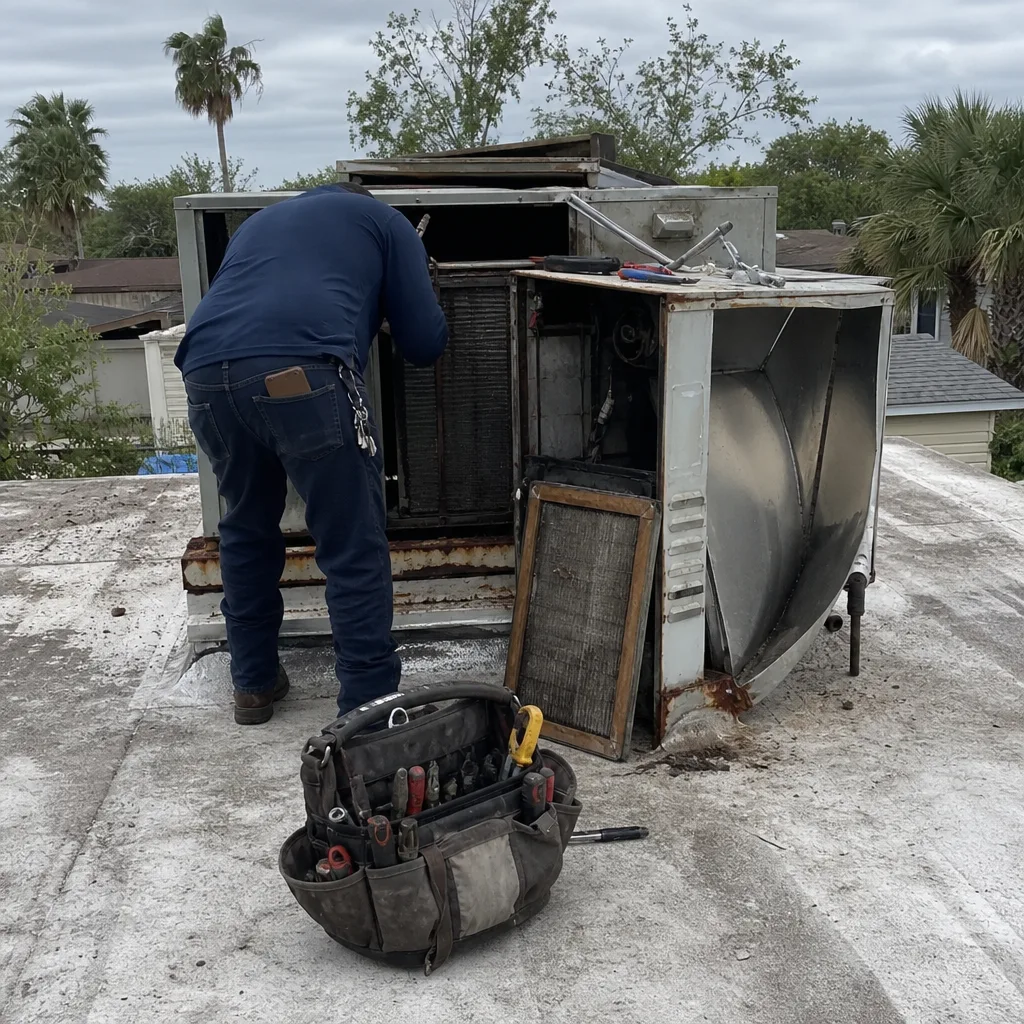
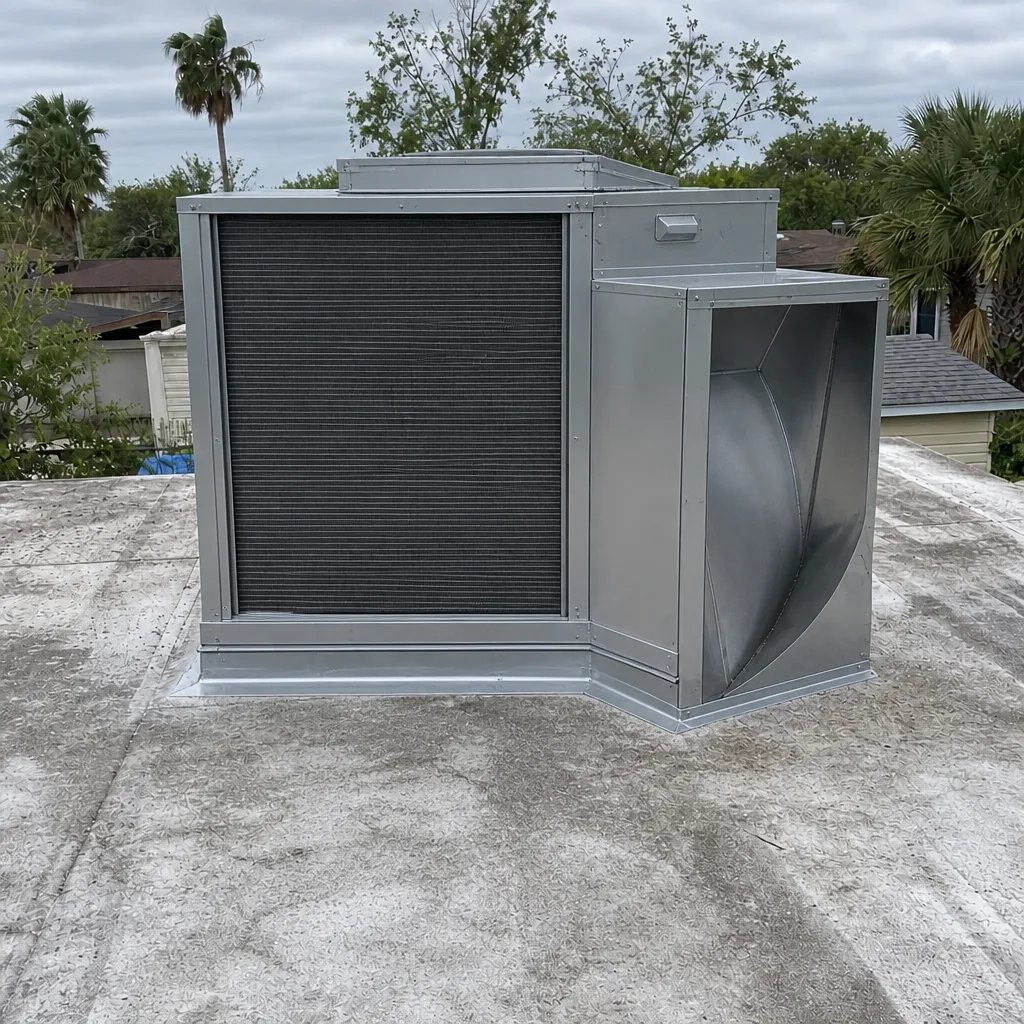
- Verification and photos. Before-and-after documentation of your system, not a stock image.
- Surface protection. Floor and finish protection during the work, with a careful cleanup afterward.
That last point sounds minor until you’ve had a crew track equipment through a hallway. It’s also why our scope covers repair as well as cleaning: Sycamore Air Duct Cleaning handles air duct repair when inspection turns up damaged or disconnected runs, so you’re not hunting for a second contractor mid-project. The same equipment discipline applies across everything we do in Brownsville.
The One Vent You Should Never Ignore
Dryer vent cleaning belongs in this conversation because it’s the duct run where DIY failure has consequences beyond dust. Lint is highly combustible, and a clogged dryer vent is a leading cause of residential fires. It’s also the vent homeowners most often attempt themselves with a brush kit and a drill.
Short, straight runs to an exterior wall are within reach of a homeowner with a proper vent brush and patience. Long runs, runs with multiple elbows, and runs that terminate on the roof or through an enclosed chase are not. Those need a professional with the right tooling and a way to verify the run is actually clear, not just that the brush went in and came out.
The signs of a problem are consistent: clothes take longer than one cycle to dry, the dryer exterior gets hot to the touch, there’s a burning or overheated smell, or lint accumulates around the outside vent hood faster than usual. Any of those means stop using the dryer until the vent is checked. Our dryer vent cleaning service treats this as a dedicated job with the same equipment standard as full duct systems, because it’s the one vent in the house where “mostly clean” isn’t good enough.
What Professional Service Costs and Why Cheap Quotes Are Cheap
Cost is where most homeowners get burned, so let’s address it directly. Duct cleaning should be priced per system, not per vent, and it should come with a written estimate before work starts. Quotes that look dramatically cheaper than everyone else usually reflect one of three things: no real negative-pressure equipment, no containment, or a price that grows once the technician is on site.
When you get an estimate, ask these questions:
- What vacuum and agitation equipment will be used, and what’s its airflow capacity?
- Will negative pressure be maintained across the whole system during cleaning, or only at the working register?
- Is the quote for the full system, or will it change based on how many registers there are?
- Will I get before-and-after photos of my own ducts?
- What happens if inspection finds a damaged or disconnected run?
A provider who can answer all five has nothing to hide about how the work is done. If the answers are vague, the price is low because the work isn’t happening at the level the equipment requires. Filter maintenance connects to the broader air-quality picture too, and familiarity with products from Aprilaire and Honeywell is a useful signal that a provider thinks about whole-home air quality rather than a single vacuuming visit. Licensed and insured work, one flat price per system agreed before anything starts, and photographic proof of the results are the standards worth insisting on.
Common Mistakes to Avoid
- Brushing flex duct with rigid tools. Stiff brushes and long nozzles can collapse the inner liner or puncture the outer jacket, and the resulting airflow loss is a far bigger problem than the dust was.
- Trusting a per-vent coupon price. A price built around a teaser figure usually reflects surface vacuuming, not source removal, and the invoice often changes once the technician sees the system.
- Cleaning registers and calling it duct cleaning. Registers are the visible 5 percent. The contamination that affects air quality sits inside the runs.
- Skipping the before-and-after photos. Without documentation, you have no way to know what was actually removed. Ask for photos of your ducts, not stock images.
- Ignoring the dryer vent because the dryer still works. Functional drying doesn’t mean a clear vent. Lint buildup reduces airflow gradually, and the fire risk builds with it.
- Renting a machine without checking its pressure rating. A rental unit with insufficient airflow volume for long runs leaves most of the system untouched while making the ducts look cleaner at the register.
- Cleaning contaminated flexible ductwork instead of replacing it. Some flex runs, particularly older ones with visible growth inside the liner, aren’t candidates for cleaning. Repair or replacement is the honest answer, and a provider without repair capability won’t mention it.
See the difference
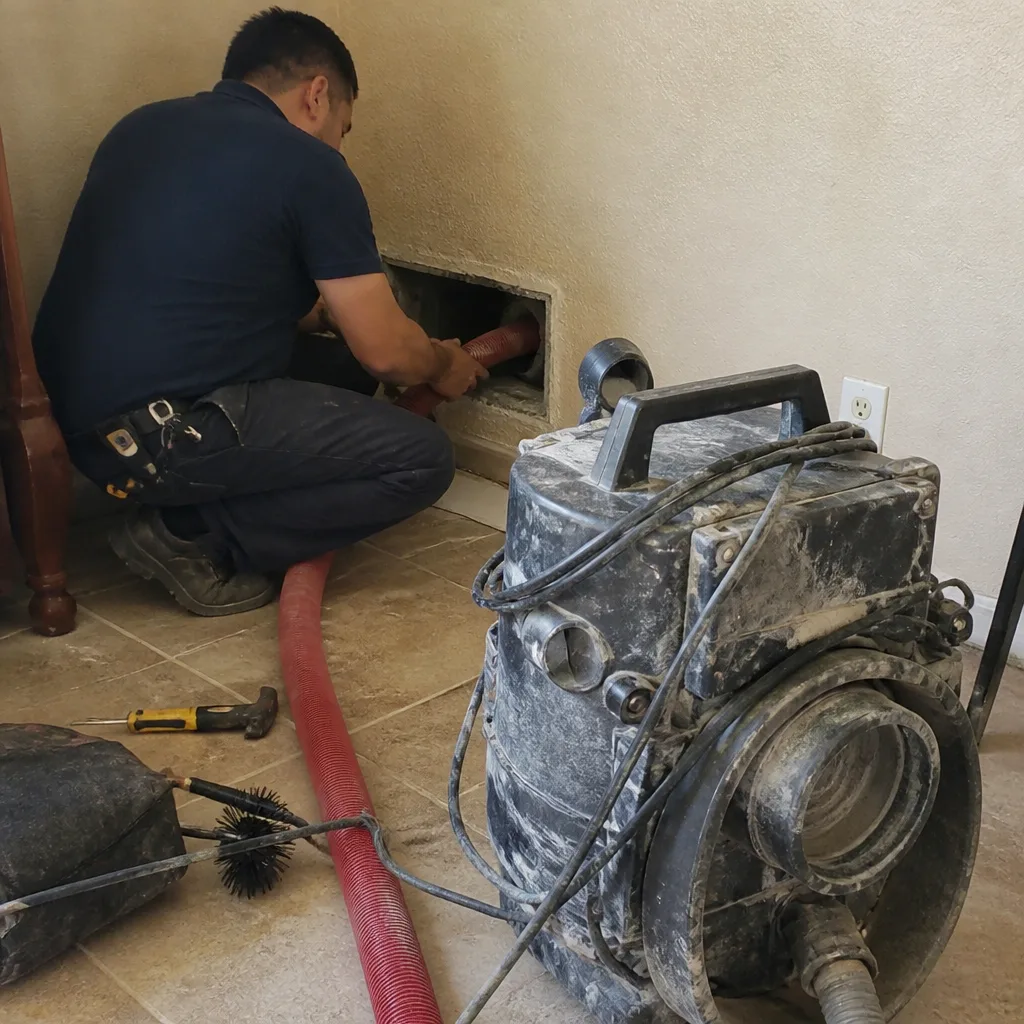 Before
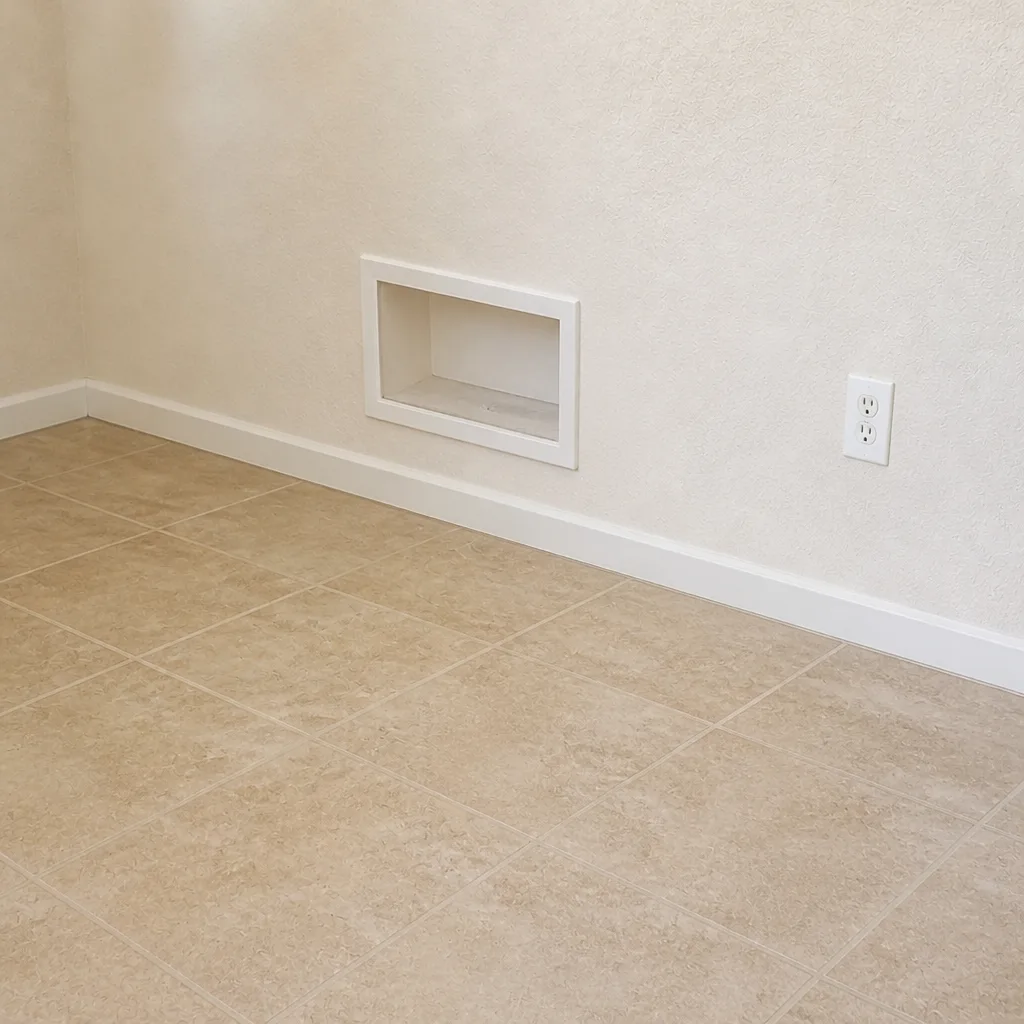 After
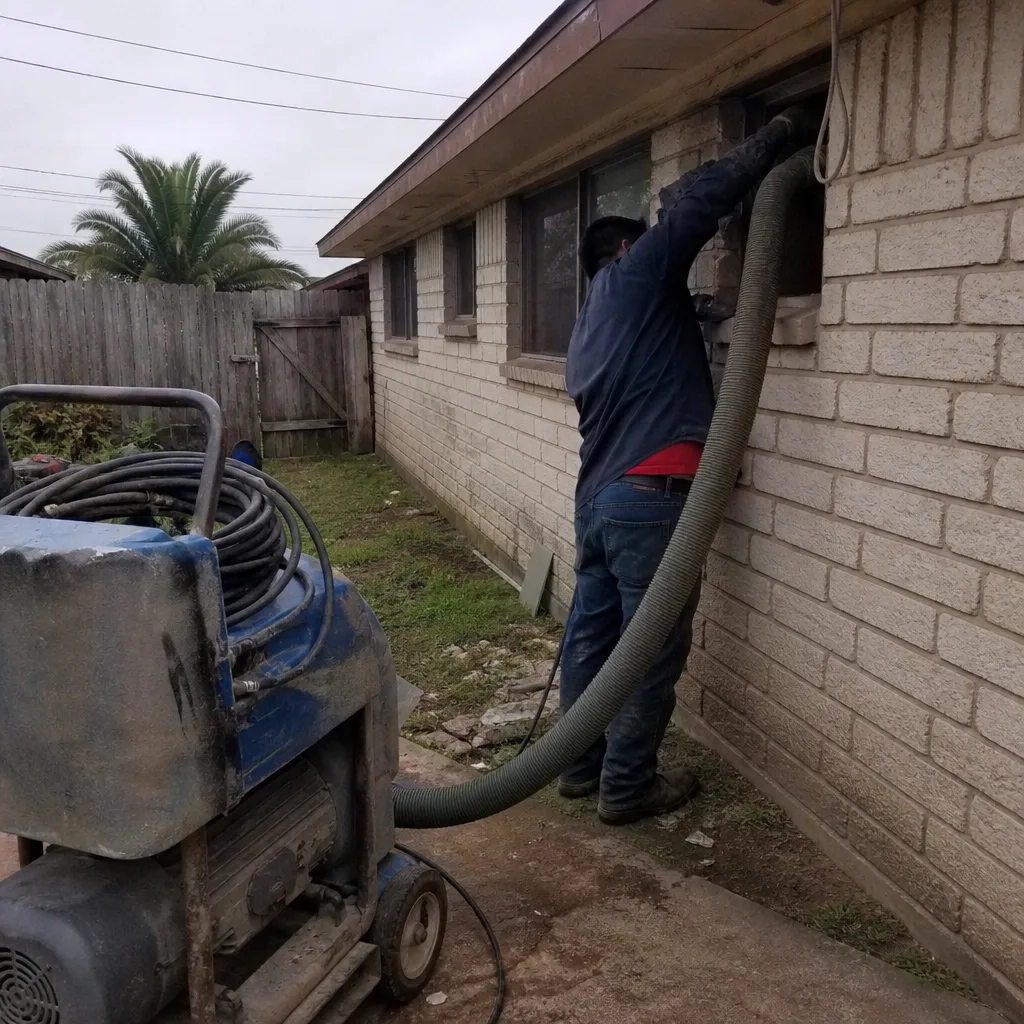 Before
 After
 Before
 After
When to Call a Professional
Call a professional when the question shifts from surface dust to air quality. If anyone in the home has new or worsening allergy or respiratory symptoms, if there’s a persistent musty smell when the system runs, if airflow is uneven room to room, or if visible growth appears around registers or the coil, DIY maintenance has reached its ceiling. The same applies after renovation work, after water intrusion near the air handler, or when a home’s duct history is unknown. Sycamore Air Duct Cleaning offers free estimates in Brownsville. Call (866) 986-5459. We answer 24/7. Fast dispatch from 7am to 7pm, Sunday through Friday.
Frequently Asked Questions
A shop vac can clean the first foot or so of a register and the grille itself, but it cannot create the sustained negative pressure needed across a 15- to 25-foot duct run. For surface maintenance, yes, it helps. For source removal inside the system, no. Call (866) 986-5459 for an exact quote, since estimates are free.
Pricing varies by system size and condition, which is why we give a flat price per system from a written estimate rather than a per-vent number. Ask for the written estimate before work starts, and ask what equipment will be used, since that’s what determines what you’re actually paying for. Call (866) 986-5459 for an exact quote, because estimates are free.
Low quotes usually mean no negative-pressure equipment, no containment, or a teaser price that grows on site. Proper source removal requires commercial equipment and the time to run it through every branch. A quote that seems too low to cover that work usually doesn’t. Call (866) 986-5459 and we’ll walk you through what the work involves before you decide.
Ask for before-and-after photos of your own ducts, taken during the job. A provider with real results has no reason to withhold them. Documentation, plus a written scope that names the equipment used, is how you verify the work. Call (866) 986-5459 to schedule an estimate.
Most homes do well every few years; homes with pets, recent renovation, or allergy concerns may need it sooner. In Brownsville, long cooling seasons mean more air hours through the same system each year, which shortens the interval a bit compared to milder climates. Register cleaning and filter changes in between extend the time between full cleanings. Call (866) 986-5459 for an assessment.
Only with the right tools. Flex duct inner liners collapse under stiff brushes and rigid nozzles, and the outer jacket punctures easily. Professionals use brushes sized and tensioned for flex, which is why DIY attempts on flex runs often create problems. Call (866) 986-5459 if you’re unsure what your duct system is made of.
The Bottom Line
The DIY versus professional question comes down to pressure, not effort. You can meaningfully maintain your system with register cleaning, grille washing, filter changes, and dryer vent inspection, and you should. But once contamination lives inside the duct runs, particularly in the flex systems common across Brownsville, consumer and rental equipment can’t generate the negative pressure that source removal requires, and improvised tools can do real damage. Use the decision matrix, ask providers which equipment is coming into your home, and insist on a flat price per system plus before-and-after photos. That’s the whole standard. Our technicians have up to 15 years of experience with professional-grade equipment and a scope that covers cleaning, dryer vent service, and air duct repair under one provider. Call (866) 986-5459 for a free estimate. We answer 24/7. Fast dispatch from 7am to 7pm, Sunday through Friday.
Written by the team at Sycamore Air Duct Cleaning.