
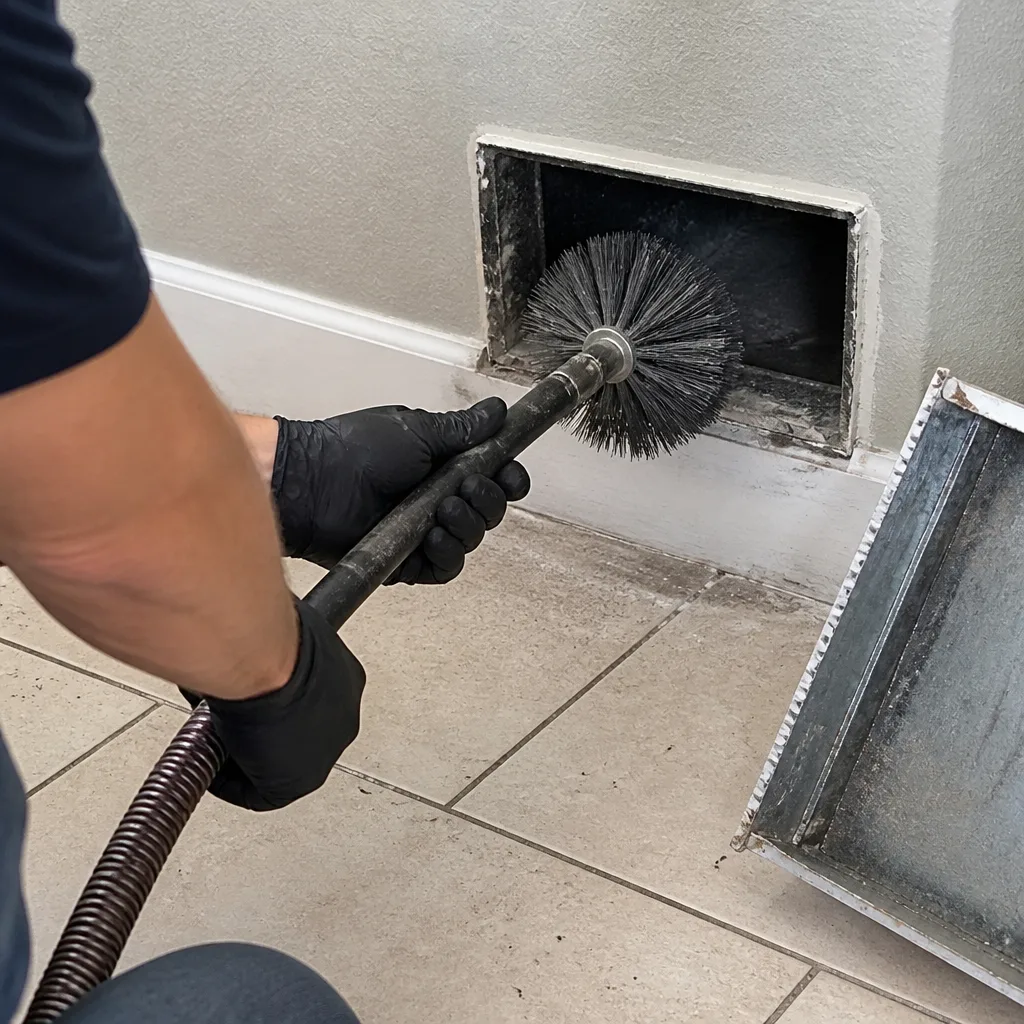
Last updated November 15, 2026
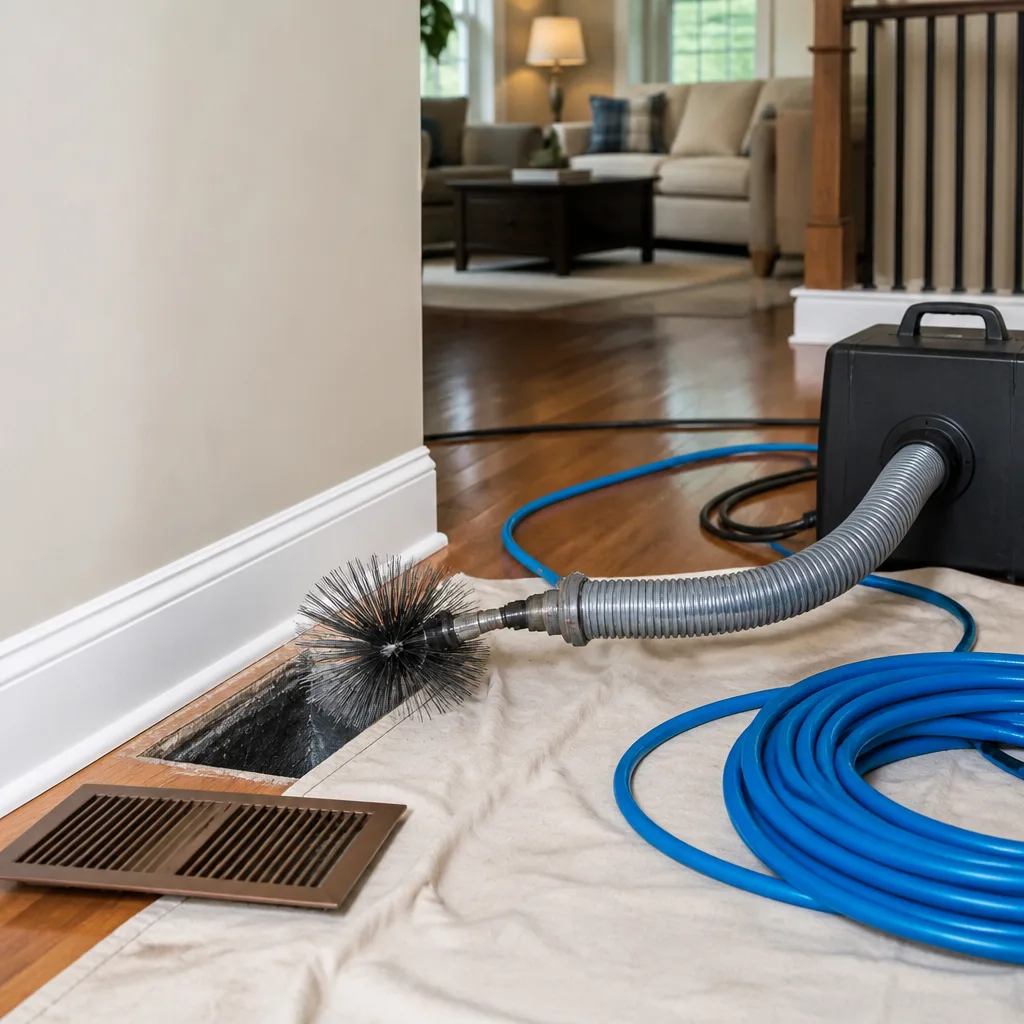 Whole-home duct cleaning
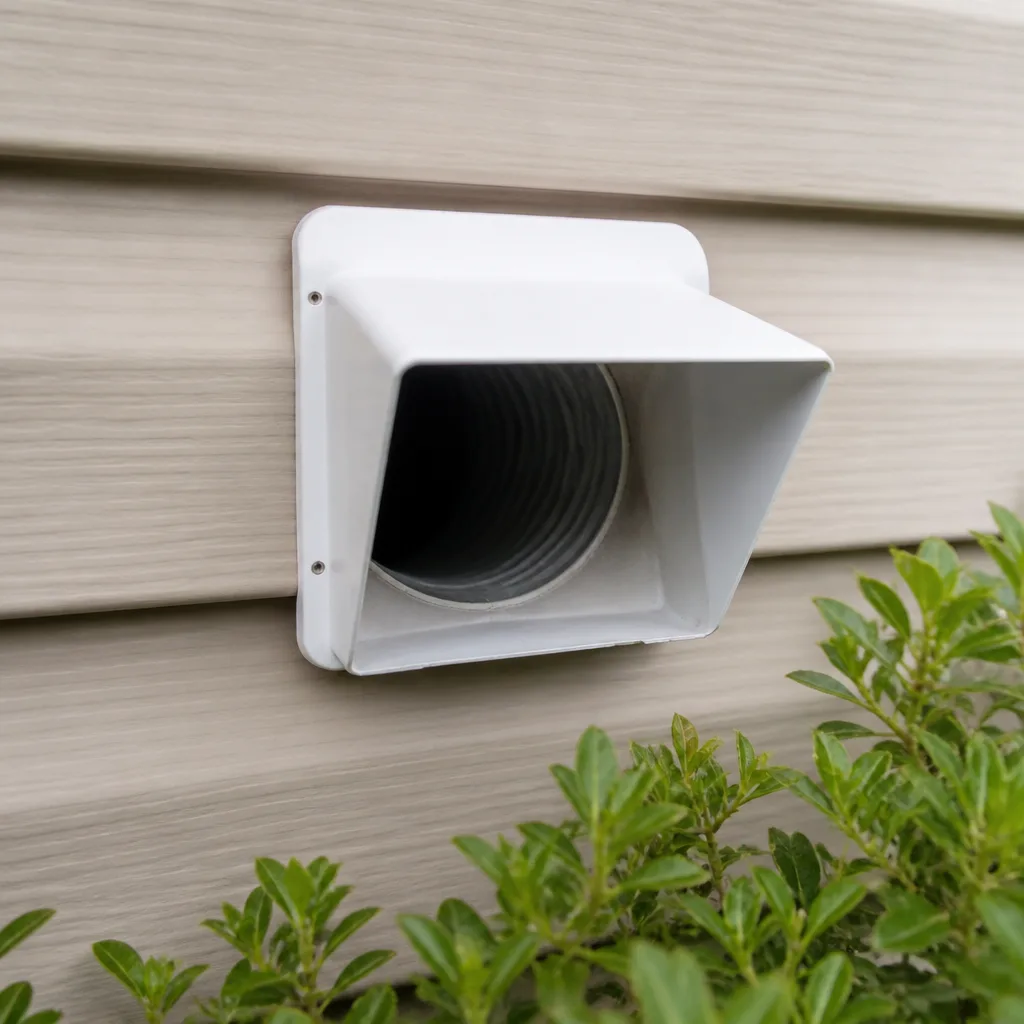 Dryer vent cleaning
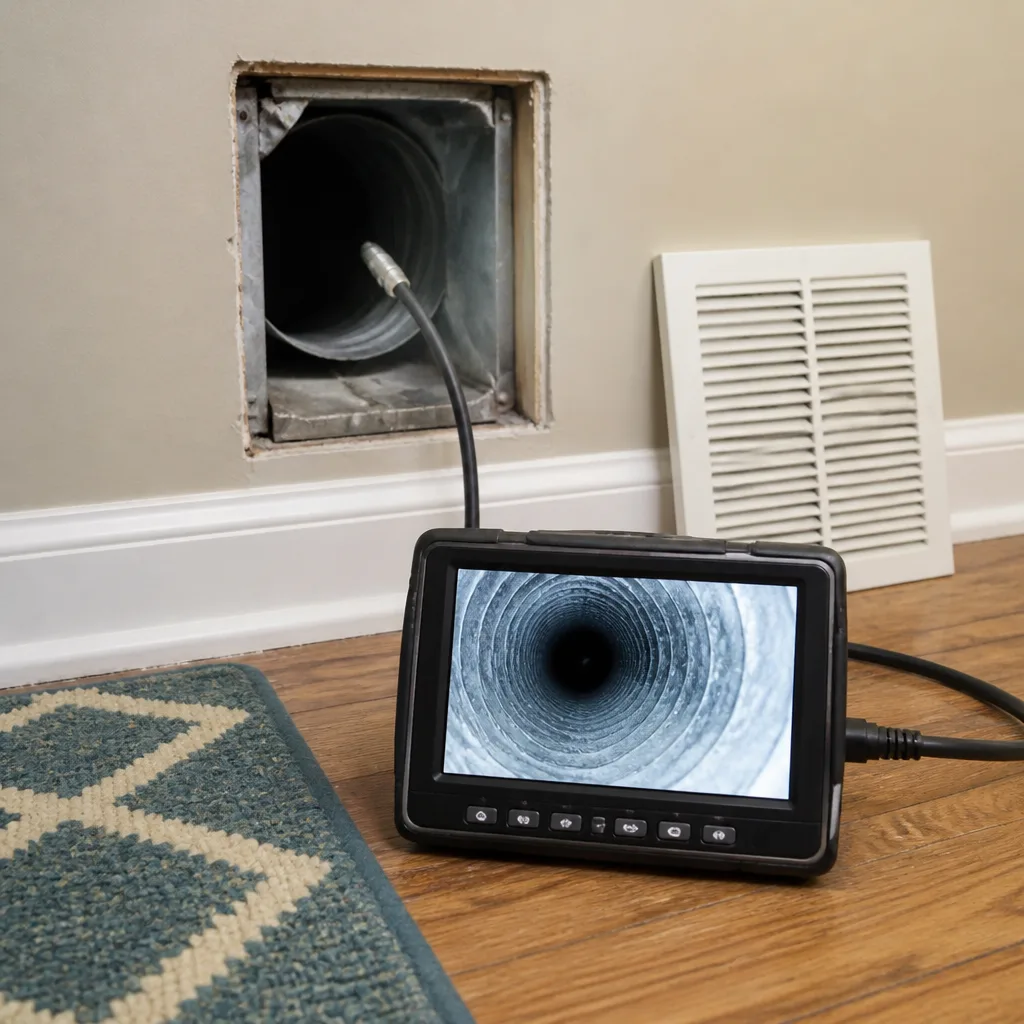 Camera inspection
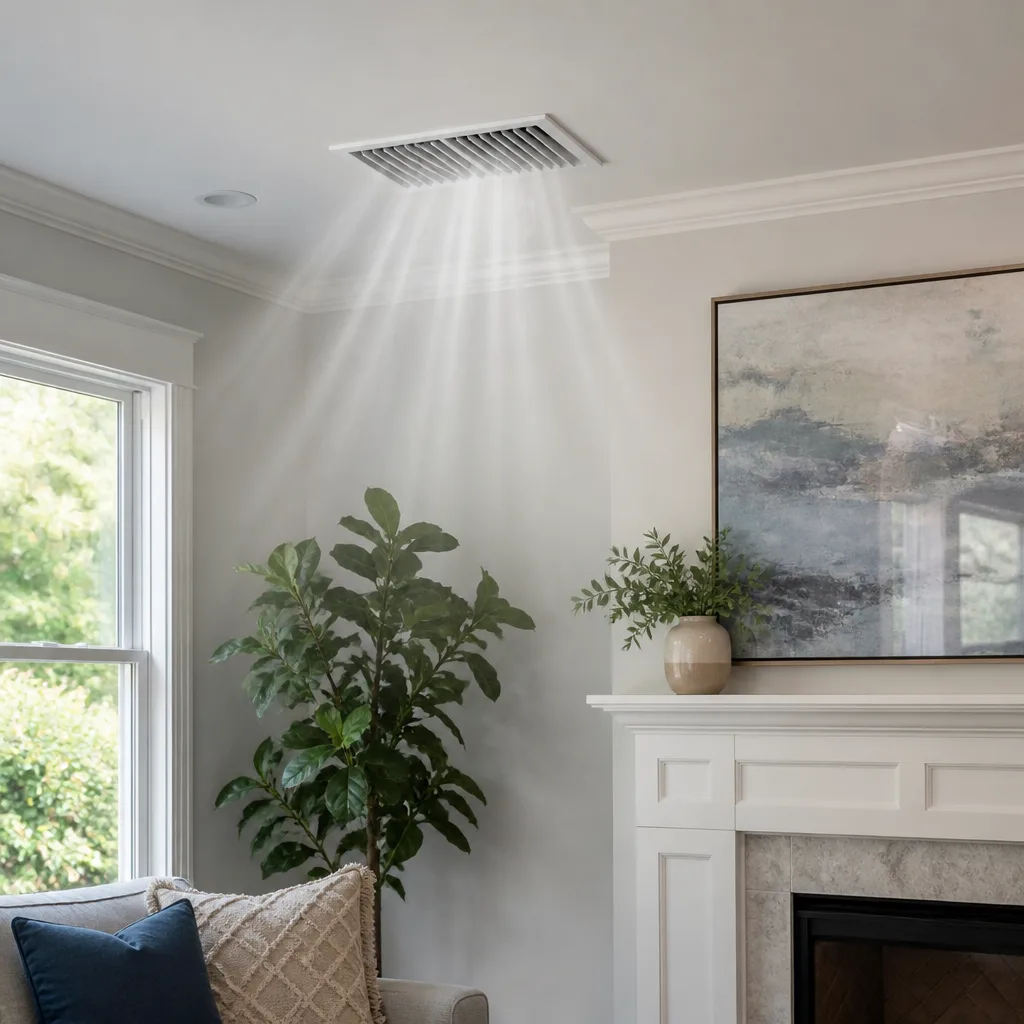 Sanitizing & deodorizing
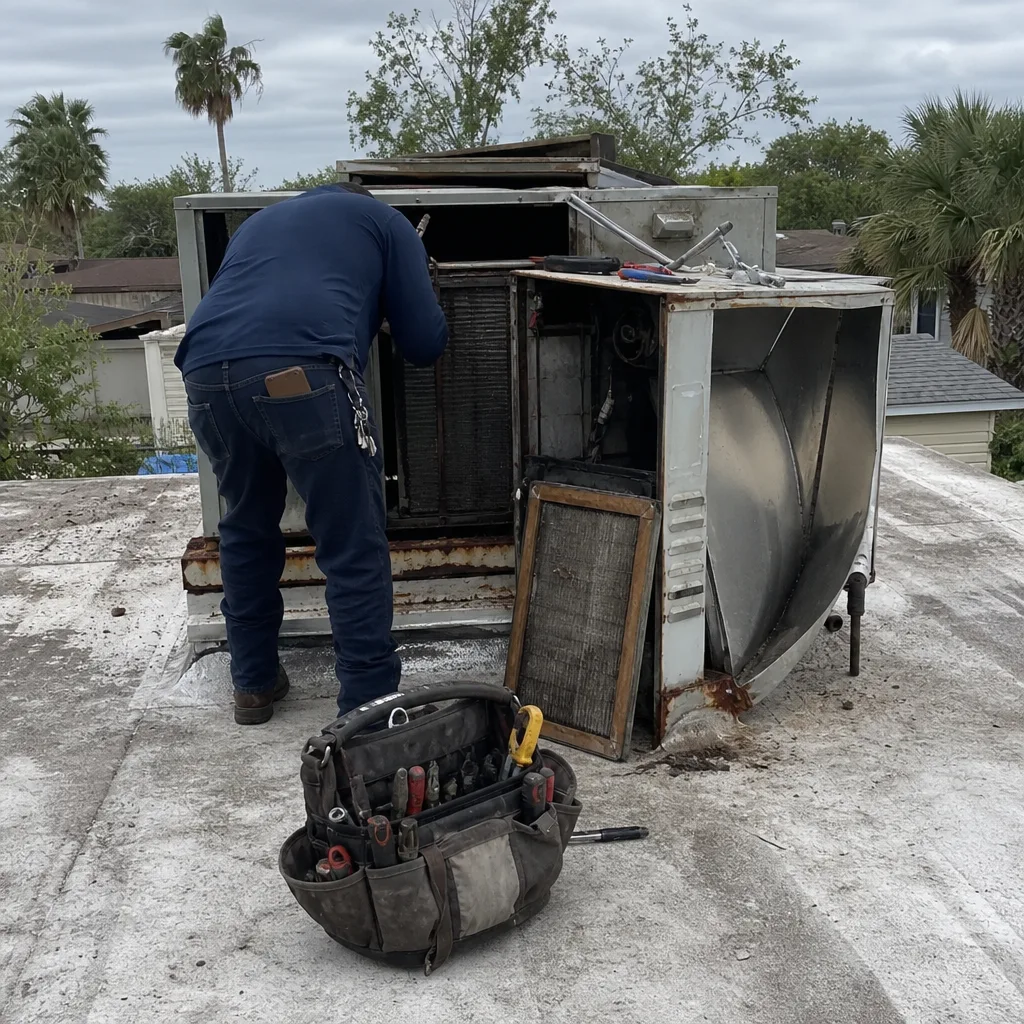
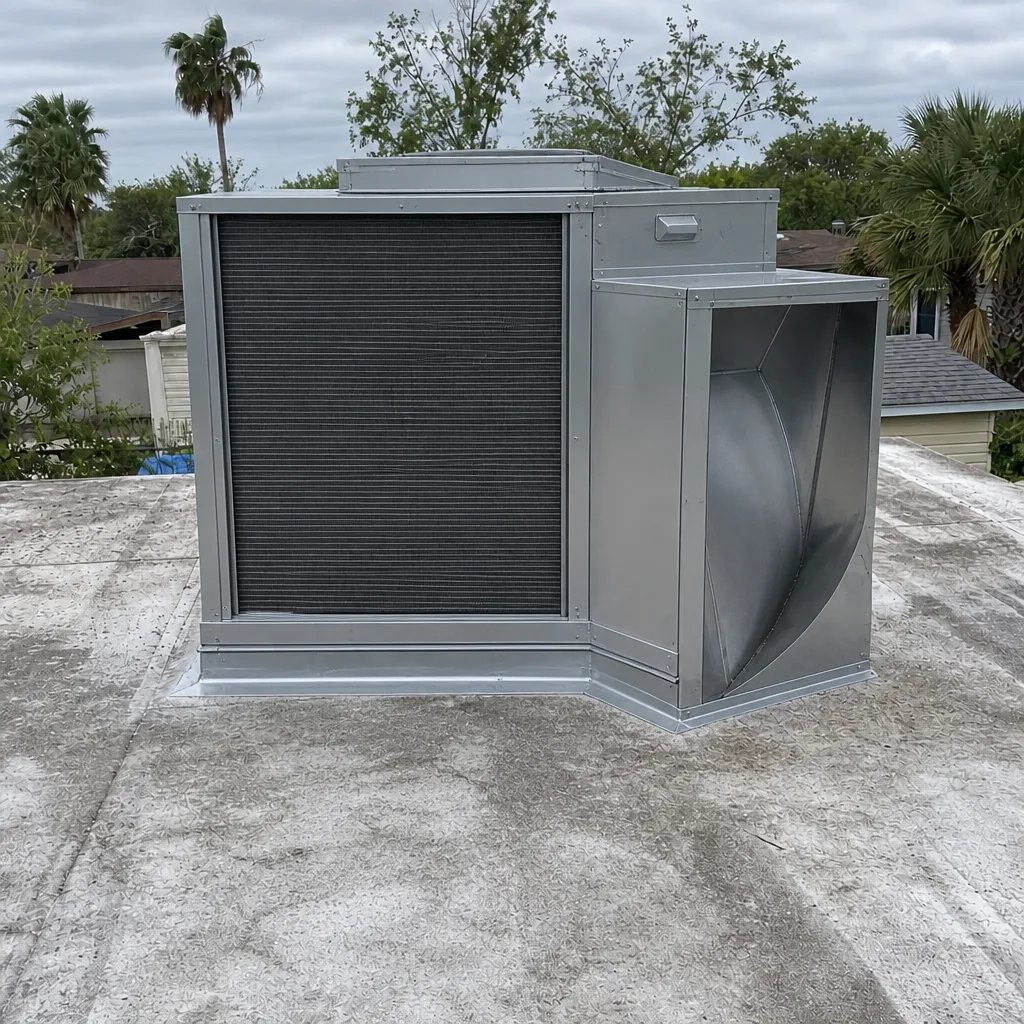
Whole-system duct and dryer vent check with before-and-after photos - you see exactly what came out of your vents
That "$99 whole-house special" is a bait ad - the real number appears once they are in your hallway, or the "clean" is a shop-vac at the register. We photograph the inside of your ducts before and after instead.
Seasonal Air Duct Cleaning Care for Brownsville: Year-Round Homeowner’s Guide
Most duct cleaning advice you’ll find online was written for a place with four clear seasons. It tells you to book a cleaning in spring and again in fall and calls it a year. In Brownsville, that calendar doesn’t match how your HVAC system actually lives. October here is still 90°F and your air conditioner is still running six hours a day. The transition that really matters for duct care is the shift into peak humidity around May, not the flip of a page on a wall calendar. This guide lays out a Brownsville-specific schedule built around the two phases our climate actually has: a long, humid cooling season and a short, mild winter.
Quick Answer
In Brownsville, the highest-value time to clean your air ducts is late spring, right before the humid cooling season peaks, and again in October or November after months of near-continuous operation. A brief mild winter rarely justifies a separate cleaning on its own, but it does mean dust can settle in rooms you stop using. Build your duct care around cooling demand and humidity, not around a generic spring and fall calendar.
Styles & brands we work with
- Whole-home duct cleaning
- Dryer vent cleaning
- Camera inspection
- Sanitizing & deodorizing
Table of Contents
- Why Brownsville Has Two Seasons, Not Four
- May and June: Pre-Season Cleaning Before Peak Cooling Demand
- Summer: What to Monitor During Peak Demand
- October and November: Brownsville’s Highest-Priority Cleaning Window
- December Through February: The Stale-Zone Problem
- Proximity to the Gulf and Airborne Particulate
- When Cleaning Isn’t Enough: Duct Repair and Sealing
- Dryer Vent Care on the Same Seasonal Rhythm
- A Step-by-Step Order of Operations for the Year
Why Brownsville Has Two Seasons, Not Four
If you moved to Brownsville from a northern city, the first thing you notice is that summer doesn’t end when the calendar says it should. The cooling season here runs long, and the humidity that comes with it is the real driver of what happens inside your ducts. A duct system in a place with a short, dry summer has a very different workload than one that pushes cooled, dehumidified air through the same metal and flex runs for most of the year.
Think of it as two phases rather than four seasons:
- The long cooling phase – roughly May through October, dominated by heat and humidity, when your system runs almost continuously and moisture control becomes the central concern.
- The brief mild winter – roughly December through February, when the system may cycle far less and some rooms go quiet for weeks at a time.
That structure changes the timing logic. In a four-season climate, a spring and fall cleaning makes some sense because the system gets a rest in between. In Brownsville, your ducts are working hard for most of the year, so the meaningful reset points are the start and the end of the cooling phase. Everything in this guide flows from that idea. If you want the full picture on what a professional cleaning actually involves in this market, our air duct cleaning page covers the process, and the schedule below tells you when to use it.
May and June: Pre-Season Cleaning Before Peak Cooling Demand
Cleaning your ducts in late spring, before the hottest and most humid stretch of the year, protects system efficiency when it matters most. Ducts that carry a load of accumulated dust into peak season push that debris through the system for months. Cleaning first means the equipment and the airflow start the hard season clear.
This is the single most overlooked piece of timing advice for Brownsville homeowners. Most people wait until something goes wrong in July or August, then call. By then the system has already been cycling whatever settled over the winter and early spring through every room for weeks. Getting ahead of it changes the whole dynamic.
What pre-season cleaning addresses
- Debris carried in on shoulder-season air. Windows open, doors propped, dust and pollen drawn into the return side. Sealing up for cooling season traps it inside unless it’s removed first.
- Humidity and microbial risk. A clean, dry duct interior handles moisture far better than one coated in dust that can hold it. That’s why professional equipment matters here – the containment and negative-air approach we use with Abatement Technologies equipment is built to pull debris out rather than stir it back into the living space.
- Efficiency before the peak. When the system is about to run its hardest, clean coils, clear returns and unobstructed runs all help it do that work with less strain.
Late spring is also a sensible moment to look at your return-air grilles and registers and note anything that looks off – bent fins, loose connections, a register that barely moves air. Catching those before the system is under full load is far easier than diagnosing them in August when you’re not sure whether the problem is a dirty duct or a failing component. That’s where a repair assessment alongside cleaning saves you a second visit. Our team connects you with professionals who handle cleaning and Sycamore Air Duct Cleaning repair under one provider, so you’re not chasing separate contractors for two halves of the same problem.
Summer: What to Monitor During Peak Demand
During the heart of Brownsville summer, your system runs almost constantly, and that continuous operation is exactly why monthly monitoring matters. When equipment is under near-constant load, small issues compound quickly. You don’t need to open up ductwork to monitor it – most of what matters is visible from the living space or the air handler closet.
Your monthly summer checklist
- Condensate drain check. Humidity this high means the system is pulling a lot of water out of the air. Look at the drain line and pan for standing water, algae growth or a slow drain. A clogged condensate line is one of the most common summer service calls, and it can cause water damage fast.
- Register airflow comparison. Hold a hand or a tissue to each supply register and compare. A register that’s noticeably weaker than the others can point to a crushed flex run, a disconnected joint or a damper issue. Note which ones and where, so a technician can go straight to the likely culprit.
- Filter changes. In a long, dusty, humid cooling season, filters load up faster than the package suggests. Check monthly and change based on what you actually see, not the label.
- Musty odors. A musty smell that appears or worsens in summer is a sign of moisture somewhere in the system. It’s not something to mask with a filter or an air freshener.
- Dust at the returns. Dark streaking around a return grille can indicate air bypassing the filter or a gap in the duct connection.
None of these require you to open the system or reach into ductwork. If you notice a musty odor, water where it shouldn’t be, or a sudden sharp drop in airflow, that’s a signal to bring in a professional. Electrical components and air handlers should be left to trained technicians, and moisture problems inside a duct system are a contamination issue, not a homeowner fix.
October and November: Brownsville’s Highest-Priority Cleaning Window
If you clean your ducts once a year in Brownsville, October or November is the window that gives you the most return. By then the system has run through months of near-constant cooling, and everything that accumulated – dust, pollen, debris pulled in through returns, and any microbial growth fed by humidity – is sitting in the system right where you don’t want it heading into the cooler months.
This is the opposite of the conventional advice. In most of the country, fall cleaning is a light touch before winter. In Brownsville, it’s the heavy one. Here’s what eight months of hard summer operation typically deposits:
- A dense layer of fine dust on duct interiors, especially on the return side and near the air handler.
- Debris that settled out of humid air and clumped on surfaces where it can hold moisture.
- Pollen and outdoor particulate drawn in during the shoulder months and held in the system through summer.
- Loose material and settled debris in low runs and transitions where airflow is weakest.
Post-summer cleaning means the system enters the mild winter clean, and when you switch back into cooling mode next May you’re starting from a better place, which cuts down on the pre-season work. It’s also a good time to have the ductwork inspected for wear. Cleaning with proper containment equipment is only half the job if a connection is loose or a flex run is crushed. A professional using Rotobrush and Nikro equipment can clean and inspect in the same visit and flag anything that needs repair. If you’re weighing the cost and process, the Brownsville service page is a good starting point, and the pricing questions further down this guide give you realistic ranges to plan around.
December Through February: The Stale-Zone Problem
Brownsville’s winter is brief and mild, and that actually creates a subtle dust problem rather than eliminating one. When the cooling season ends, many households stop using certain rooms entirely. Guest rooms, spare bedrooms, a back den. Those zones go quiet, their registers stop moving air, and dust settles in the ducts and the room without anything circulating it out. When you use those rooms again in spring, the first thing you may notice is a stale smell and a puff of dust.
The takeaway isn’t to schedule a full cleaning every winter. It’s to manage the stale zones during the quiet months:
- Run the system fan periodically or keep air moving in rooms you’ve closed off, so dust doesn’t settle into a thick layer.
- Open registers in those rooms occasionally even if you don’t heat or cool them heavily, to keep air moving through the runs.
- Dust and vacuum closed-off rooms rather than waiting until spring, so you’re not reintroducing settled dust the moment airflow returns.
- Watch for musty smells when you first reopen a room. A short-lived smell after weeks of disuse is common; a persistent one that doesn’t clear with air movement deserves a closer look.
In practice, the mild winter is a good time to catch up on the maintenance you put off during the summer rush. It’s also, in our experience, a sensible window for a dryer vent cleaning, since the system is quieter and you’re not fighting peak-season scheduling. The dryer vent cleaning page covers why that service deserves its own slot on the calendar rather than being tacked onto a duct cleaning as an afterthought.
Proximity to the Gulf and Airborne Particulate
Homes closer to the water in Brownsville deal with a specific set of airborne particulate that inland homes don’t see in the same way. The Gulf is close, and the air moving inland carries fine material that finds its way into return-air streams. This is not a reason to panic, but it is a reason to pay attention to filter maintenance and duct sealing in a way that a homeowner further inland might not need to.
What homes near the water should watch
- Fine particulate loading in returns. Fine material drawn in through the return side loads filters faster. Check filters more often than the package suggests, especially in summer.
- Sealing matters more. Gaps in return ductwork let unfiltered outdoor air straight into the system, where it bypasses the filter entirely. Sealing those gaps is a real improvement, not a sales add-on.
- Keep the return path clean. A return grille that’s clogged with dust and debris starves the system and pulls harder on every gap. Keep returns clear and replace filters on a real schedule.
For homes within a few miles of the water, all of this combines with the humidity issue: moisture plus fine particulate plus a hot system is a tougher environment for ductwork than a dry inland one. The practical response is the same schedule this guide lays out, just with a sharper eye on filter changes and return-side sealing. If you’ve noticed fine dust accumulating faster than you’d expect, mention it when you get an estimate. A professional using negative-air containment during cleaning is set up to handle heavy fine debris without distributing it through the house.
When Cleaning Isn’t Enough: Duct Repair and Sealing
Cleaning and repair are two different jobs, and Brownsville’s long cooling season means a duct system that runs almost continuously will show wear faster than one that rests. A cleaning appointment is the right time to have someone look at the ductwork itself, not just the interior of the runs.
Common signs the ductwork itself needs attention:
- A room or register that stays notably cooler or weaker than the rest of the house, no matter what you do with the thermostat.
- Whistling or hissing at a register or connection, which often points to a leak.
- Visible sagging, disconnected joints or crushed flexible duct in an accessible attic or crawl space.
- Dust streaks around a register or return, indicating air bypassing the filter or a gap in the connection.
- A sudden jump in energy use with no change in habits, which can indicate the system working harder against leaks.
Duct repair handles those issues – sealing leaks, reconnecting joints, replacing crushed or disconnected runs. Cleaning keeps the system clear; repair keeps it sealed and connected. Doing both under one provider means one assessment covers the whole system rather than two contractors each looking at half of it. When you’re comparing providers, it’s worth asking directly what equipment is coming into your home and whether they handle repair as well as cleaning. That question alone tells you a lot about a company.
Dryer Vent Care on the Same Seasonal Rhythm
Your dryer vent is part of the same household air and debris system, and it deserves its own line on the calendar. Lint buildup in a dryer vent is a fire risk, not a maintenance footnote. In a humid climate like Brownsville, moisture makes lint more likely to clump and stick to the walls of the vent run, which is exactly what you don’t want.
How dryer vent care fits the Brownsville rhythm:
- Clean before the humid season peaks. A clear vent handles the moisture load of summer far better than a partly clogged one.
- Check after the cooling season. The same post-summer window that’s best for duct cleaning is a good time to have the dryer vent evaluated.
- Mind the signs in between. Clothes taking longer to dry, a hot dryer body, or a lint screen that’s constantly full are all reasons to have the vent checked sooner rather than later.
Dryer vent cleaning with the same professional equipment and containment discipline as duct cleaning is the goal, not a quick wipe of the screen. If your dryer has been taking longer to dry clothes and you can’t figure out why, that’s worth a conversation.
A Step-by-Step Order of Operations for the Year
Here’s the whole Brownsville year in one sequence. Treat it as a planning framework and adjust around what you actually observe.
- Late spring (May – June): Schedule a full air duct cleaning before peak cooling demand. Note any registers with weak airflow. Change filters. Have the dryer vent evaluated ahead of the humid season.
- Peak summer (July – September): Monitor monthly. Check the condensate drain, compare register airflow, change filters, and watch for musty odors. Note anything that looks like a leak or a weak zone and flag it for the fall visit.
- Post-summer (October – November): This is the priority cleaning window. Have the system cleaned and inspected for wear. Address any repair items flagged during summer monitoring. Get the dryer vent cleaned again.
- Mild winter (December – February): Manage stale zones in rooms you’ve closed off. Keep some air moving. Dust closed-off rooms. Watch for musty smells when rooms reopen.
- Early spring (March – April): A good time to confirm filters are correct and returns are clear, and to plan your late-spring cleaning so you’re not trying to book it during the summer rush.
If you manage only two of those steps, make it the late-spring cleaning and the post-summer one. Those two bookends bracket the phase where the most accumulates.
Common Mistakes to Avoid
- Following a generic spring and fall calendar. That schedule was written for four-season climates. In Brownsville, the meaningful timing is built around humidity and cooling demand, not the seasons named in a national article.
- Waiting for a problem in July to call. By the time the system is failing in peak summer, it’s already pushed a load of debris through every room for weeks. Cleaning before the peak is the whole point of pre-season timing.
- Skipping the condensate drain check. In a humid Brownsville summer, water problems are as common as dust problems. Ignoring the drain line risks water damage that’s far more expensive than the check.
- Letting closed-off winter rooms sit untouched. Mild winters mean those rooms go quiet rather than cold, and dust settles into them. Manage the quiet zones instead of ignoring them.
- Assuming a cheap coupon tells you what you’ll pay. A low advertised price that turns into a larger invoice once a technician is on site is the industry’s oldest trick. Ask for a flat price per system agreed before work starts, and ask what equipment is coming into your home.
- Skipping dryer vent cleaning because it seems minor. Lint in a dryer vent is a fire risk, and in a humid climate it clumps and sticks faster. It’s a scheduled service, not an optional add-on.
- Cleaning without looking for repair needs. A clean duct with a crushed flex run and a loose joint still wastes energy. Have the system assessed for wear and sealing while it’s being cleaned.
See the difference
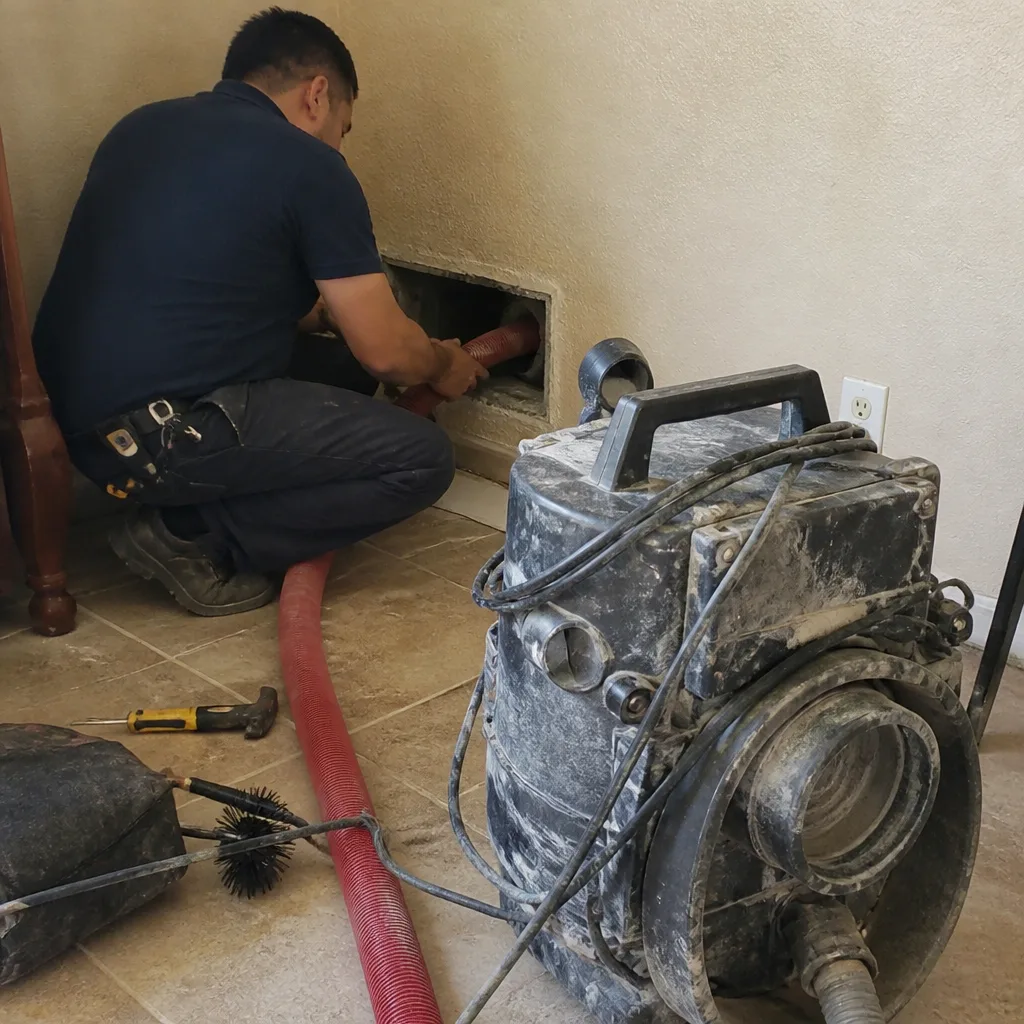 Before
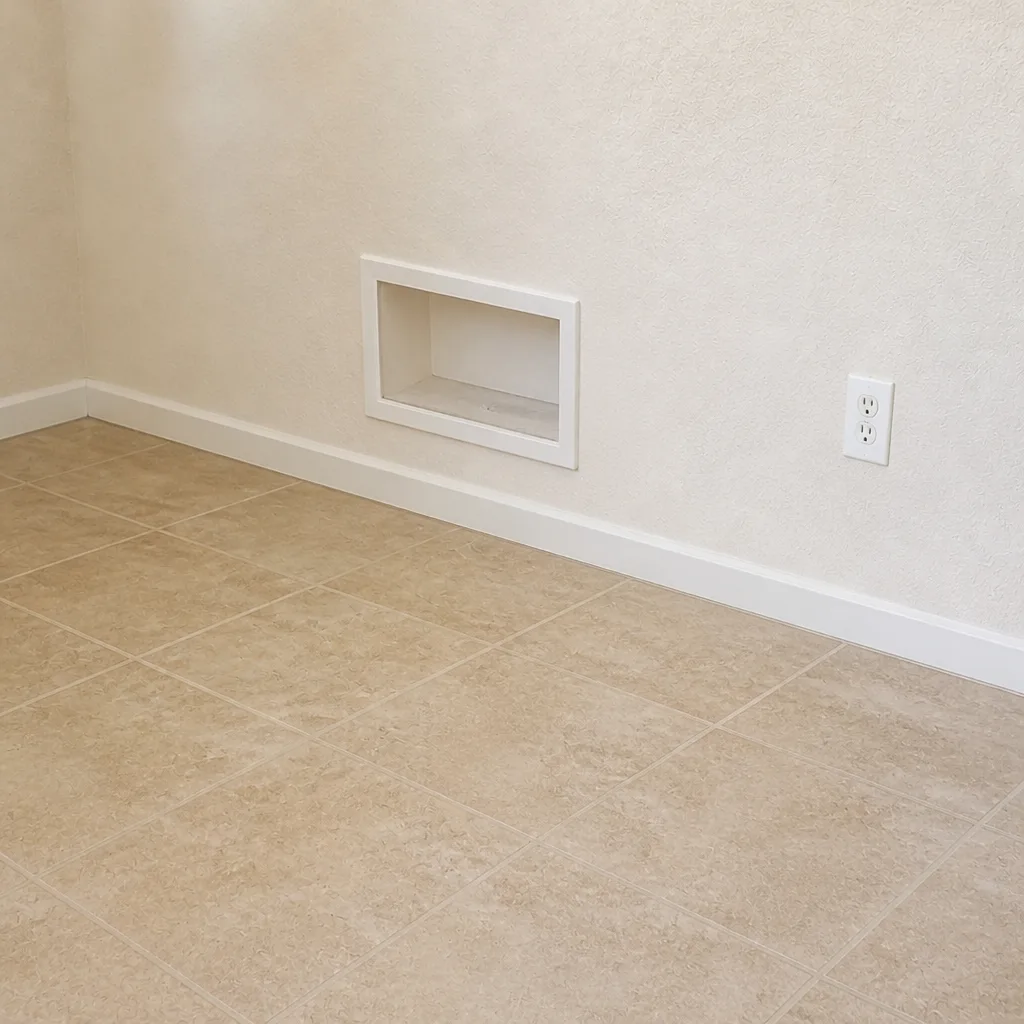 After
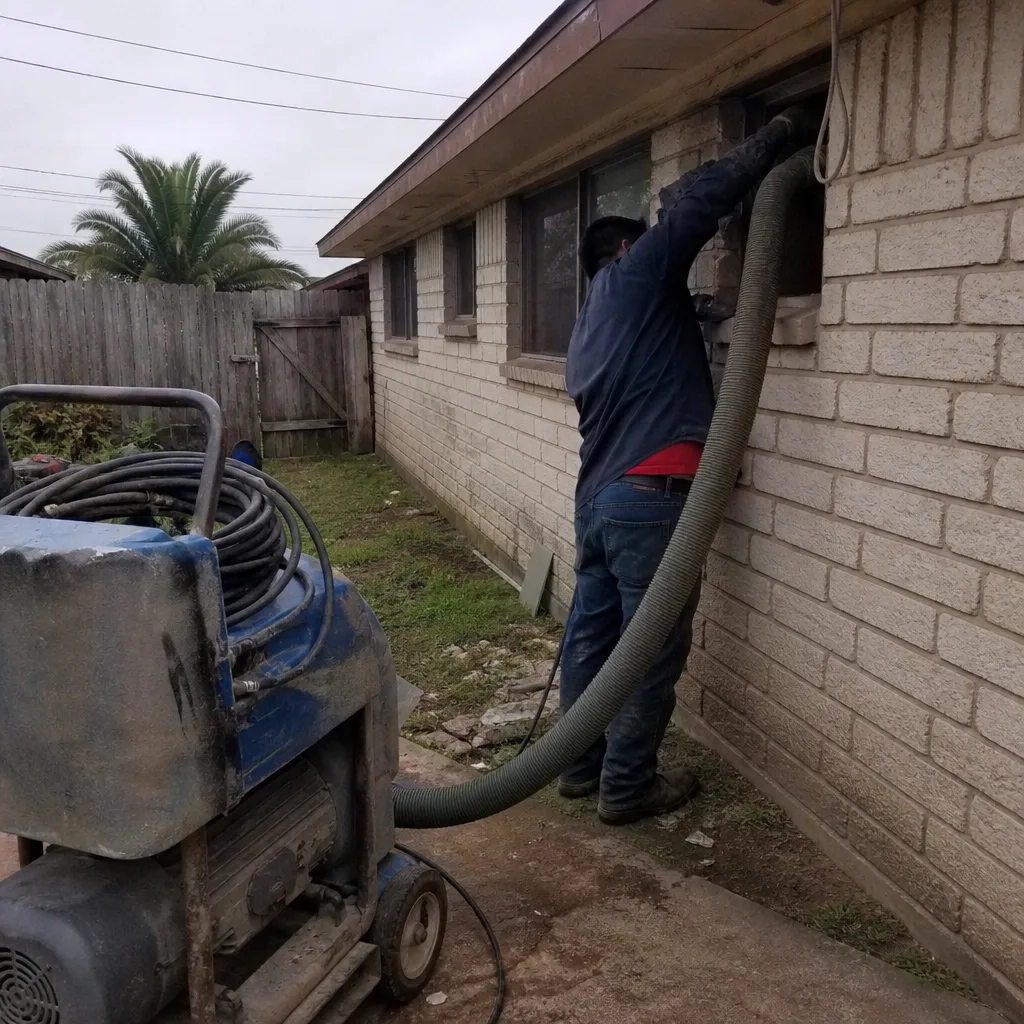 Before
 After
 Before
 After
When to Call a Professional
Some of what we’ve described is routine monitoring you can do yourself. The rest belongs with a trained professional. Call when you notice a persistent musty odor that doesn’t clear, water where it shouldn’t be around the air handler, a sudden sharp drop in airflow at one or more registers, dust streaks forming around returns, or a room that stays off-temperature no matter what you do. Call if it’s been a long time since the ducts were cleaned and you’re heading into peak cooling season, or if the system hasn’t been looked at since last summer. And call if your dryer vent hasn’t been cleaned in a while and your clothes are taking longer to dry. Sycamore Air Duct Cleaning offers free estimates in Brownsville – call (866) 986-5459. We answer 24/7. Fast dispatch from 7am to 7pm, Sunday through Friday.
Frequently Asked Questions
We typically suggest a full cleaning once in late spring before peak cooling demand and again in October or November after the long summer. That’s the two-visit rhythm that fits Brownsville’s climate. Homes closer to the water, homes with pets, or people with allergies often benefit from more attention. Call (866) 986-5459 for an exact quote – estimates are free.
Late May or early June is the most valuable window, and October or November is the next. Late spring cleaning means the system starts the humid peak from a clean base. Post-summer cleaning clears months of accumulation before the mild winter. If you can only do one, pick late spring so it’s clean going into peak load.
Pricing isn’t something we quote in a guide because it depends on your system’s size, layout and condition, but we can tell you the right way to buy it: ask for one flat price per system, agreed in writing before work starts. We avoid per-vent pricing and teaser coupon figures for exactly that reason. Call (866) 986-5459 for a free estimate based on your home.
The cheap quote usually means less equipment, less time, or a low teaser price that grows once the technician is on site. Ask what equipment is coming into your home. If a provider can’t name professional-grade systems, they may be using a shop vac and a lot of shortcuts. Our technicians have up to 15 years of experience and use Rotobrush and Nikro equipment with Abatement Technologies containment. Call (866) 986-5459 to compare a real quote.
Ask for before-and-after photos of your own ducts. That’s the difference between a service with a real record and a crew that can’t show you what changed. We rely on professional containment equipment that pulls debris out through a HEPA-level filtered vacuum, and the photos prove the result. Call (866) 986-5459 for a free estimate.
It’s a scheduled service, not a once-in-a-blue-moon task, especially in a humid climate where lint clumps and sticks to the vent wall faster. If clothes take longer to dry or the dryer body gets hot, that’s a sign to have it checked now rather than waiting. Call (866) 986-5459 and we’ll book a free estimate.
The Bottom Line
Brownsville’s duct care calendar is built around two phases, not four seasons. Clean before the humid peak in late spring so the system starts the hardest months clear. Monitor monthly through summer, watching the condensate drain and register airflow. Clean again in October or November, the highest-value window after months of near-constant operation. Manage closed-off rooms in the mild winter so dust doesn’t stack up, and keep an eye on filters and returns if you’re near the water. Add dryer vent cleaning to the same rhythm. The equipment behind the work matters as much as the timing, so ask what’s coming into your home.
Get a Free Brownsville Estimate
If you’re planning your next cleaning window, we’ll give you a straight answer on your system’s condition and a flat price agreed before work starts. Call Sycamore Air Duct Cleaning at (866) 986-5459 for a free estimate. We answer 24/7. Fast dispatch from 7am to 7pm, Sunday through Friday.
Written by the team at Sycamore Air Duct Cleaning.