
Last updated November 15, 2026
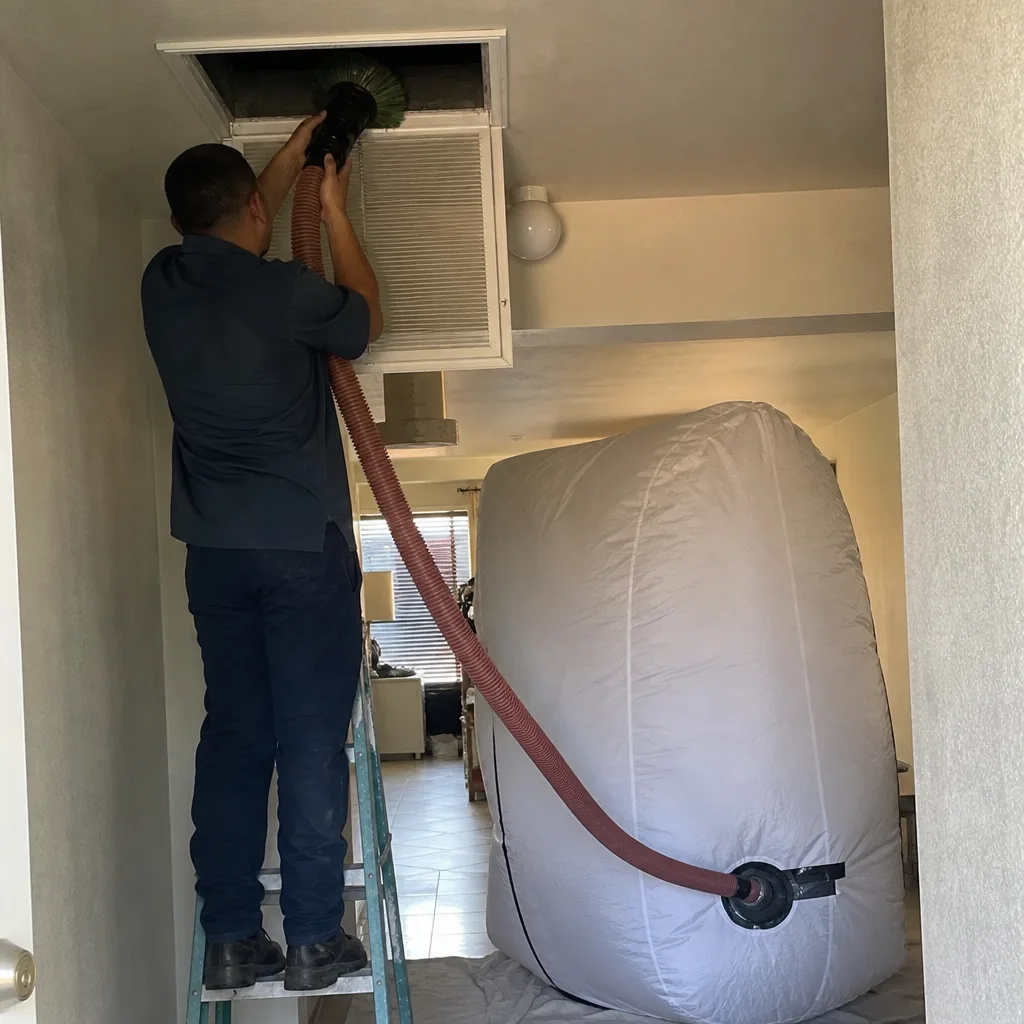
 Whole-home duct cleaning
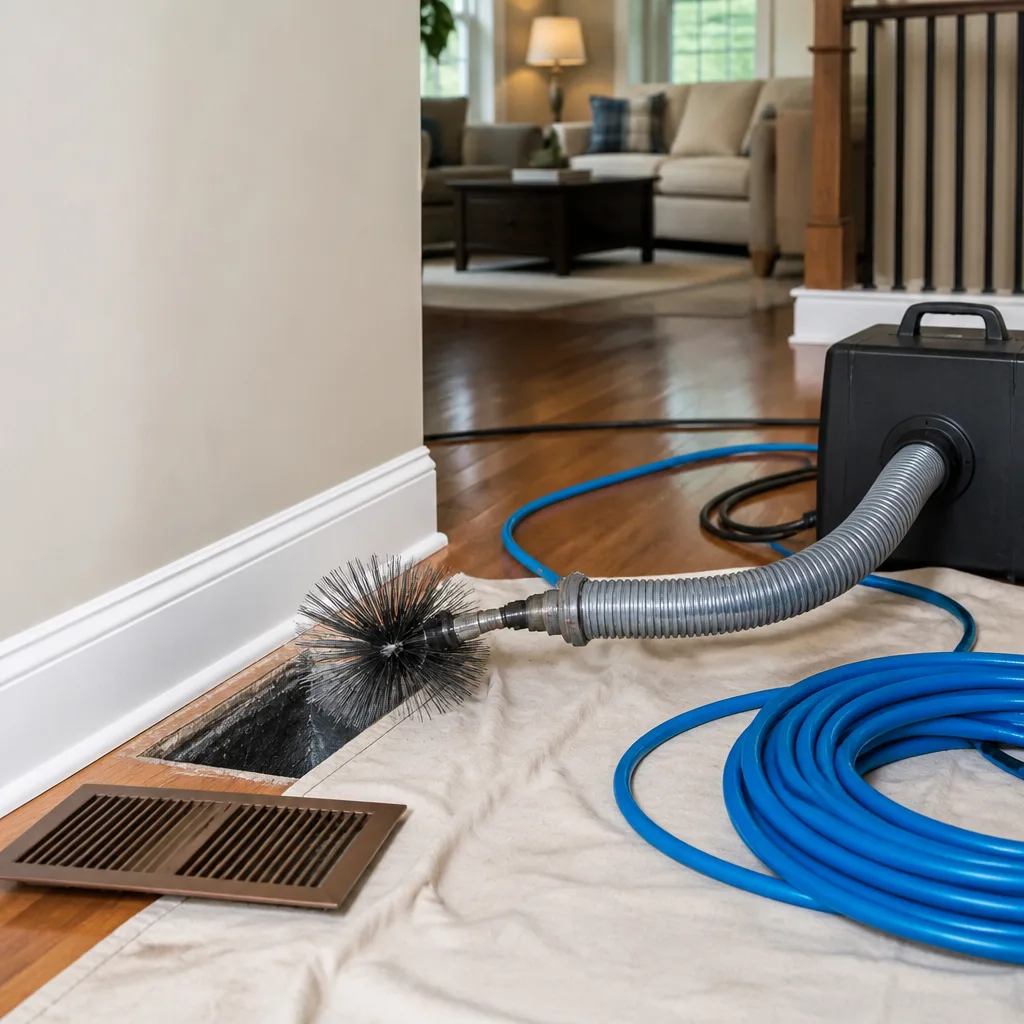
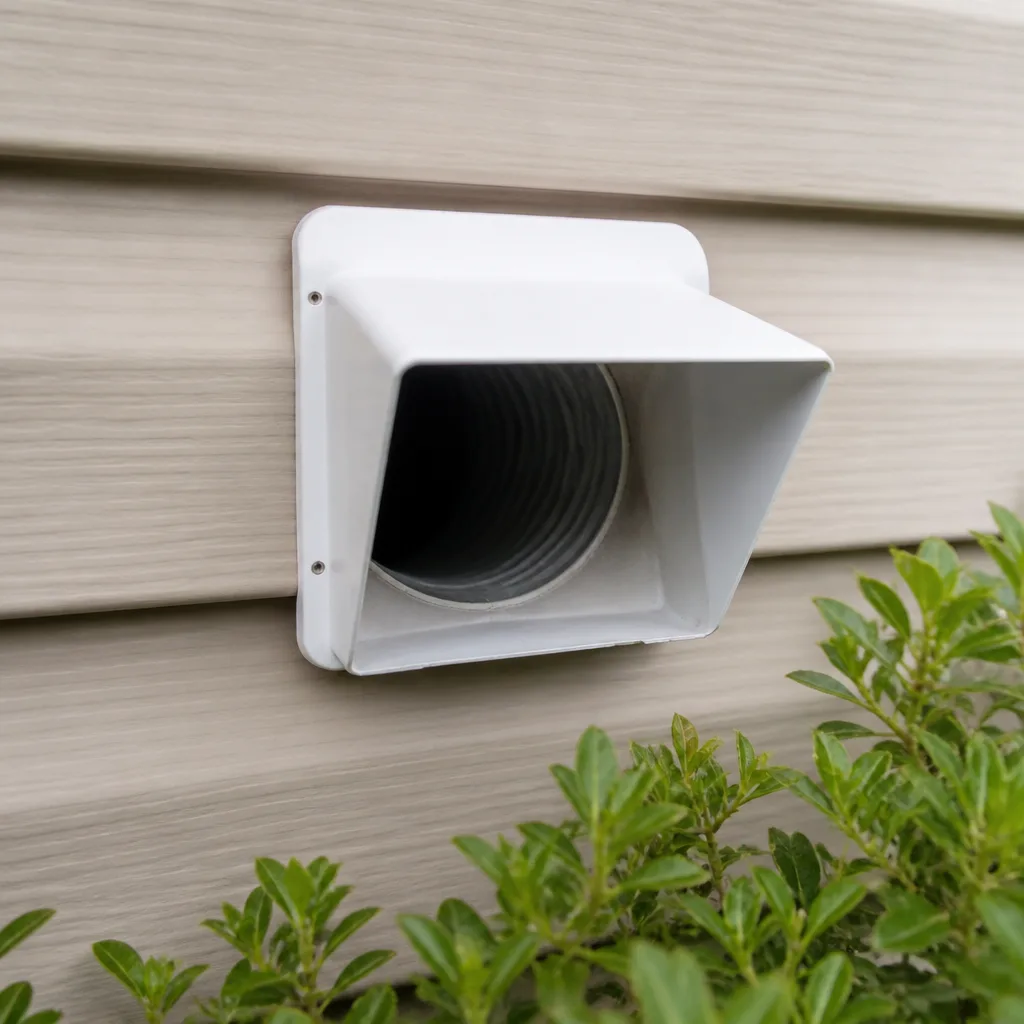 Dryer vent cleaning
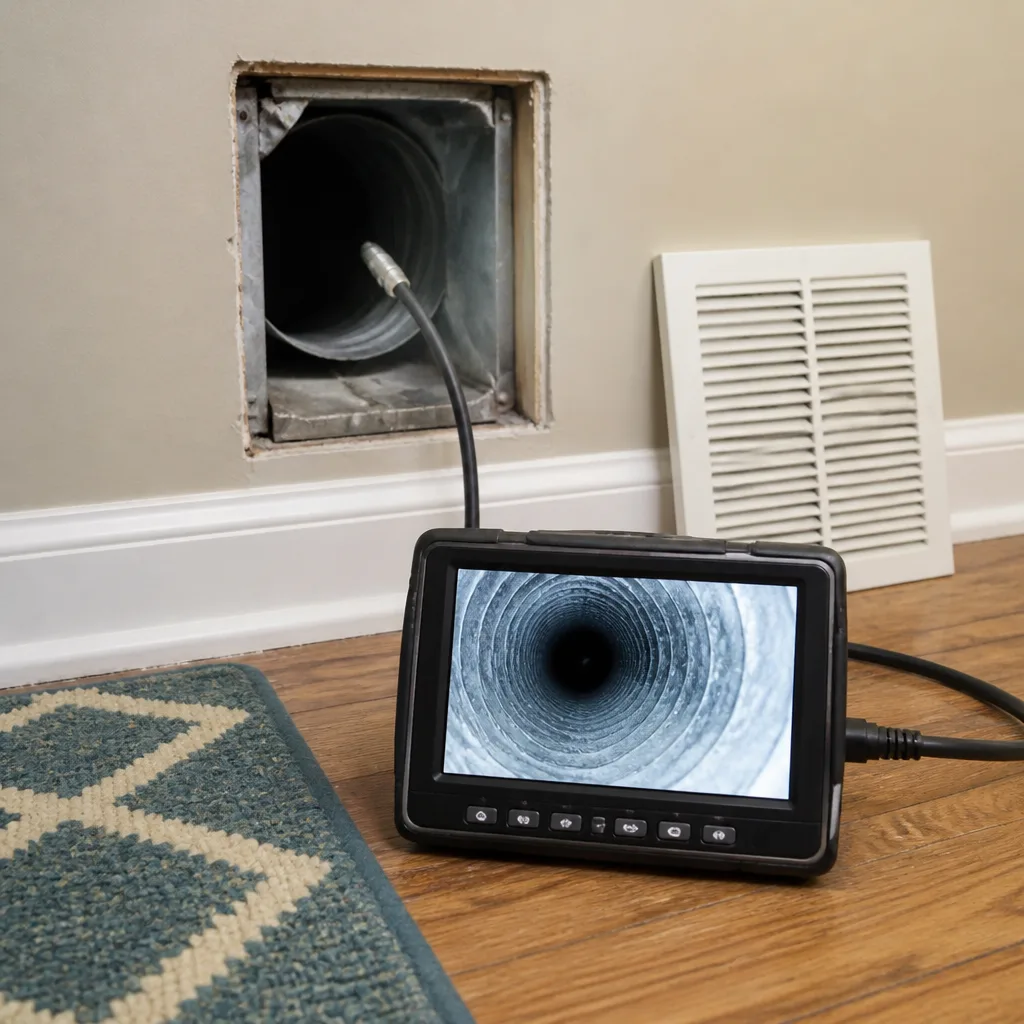 Camera inspection
 Sanitizing & deodorizing
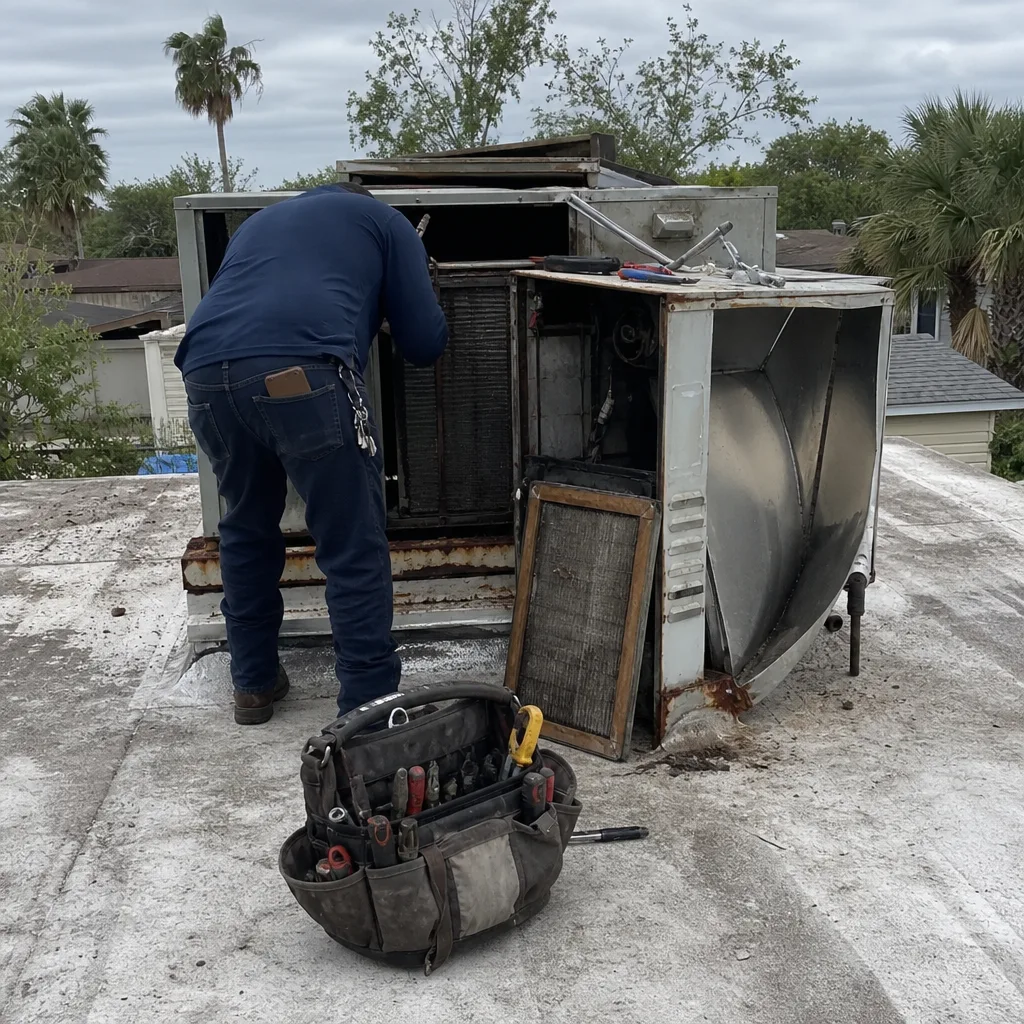
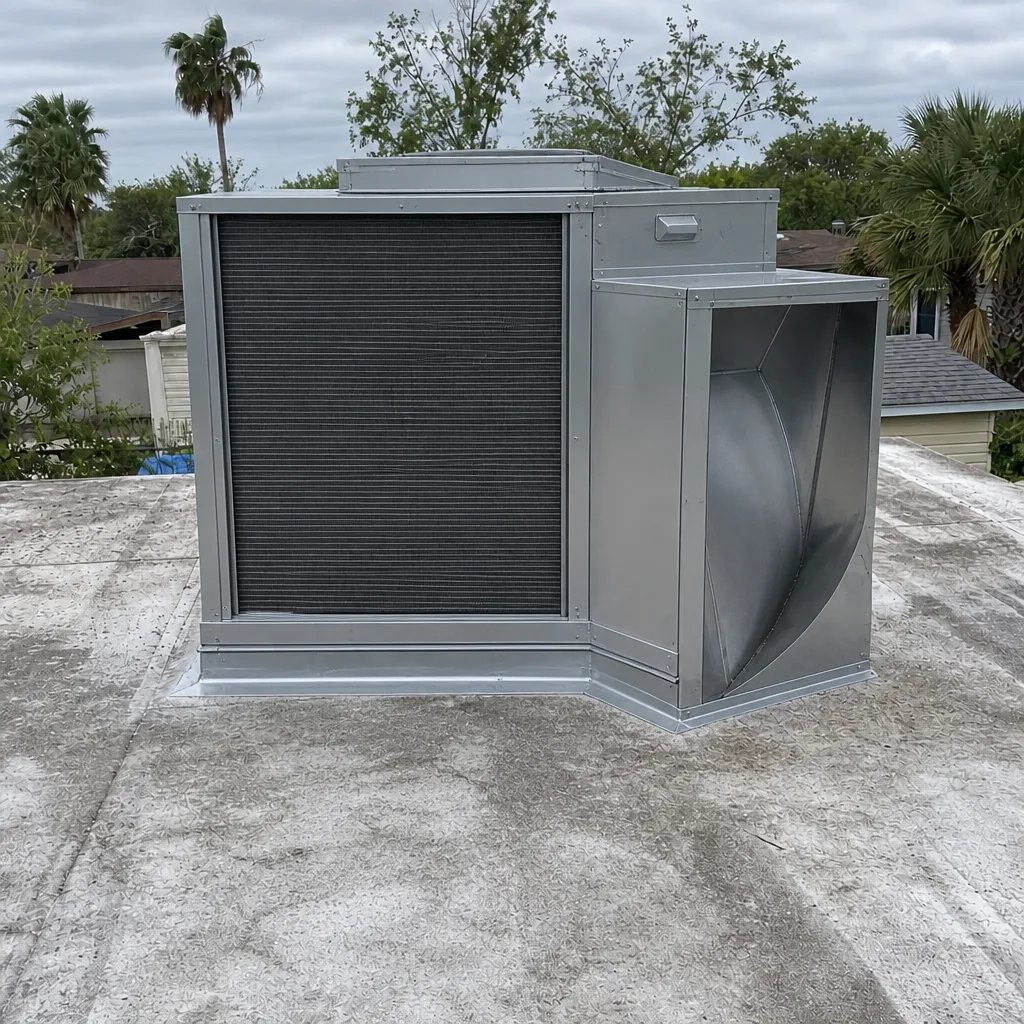
Whole-system duct and dryer vent check with before-and-after photos - you see exactly what came out of your vents
That "$99 whole-house special" is a bait ad - the real number appears once they are in your hallway, or the "clean" is a shop-vac at the register. We photograph the inside of your ducts before and after instead.
Air Duct Cleaning Maintenance Checklist for Brownsville Homeowners
A clogged return grille in January in Minnesota is an inconvenience. In Brownsville, where your system may run six to eight hours daily even in winter, that same restriction is quietly spiking your energy bill and stressing your blower motor every single day. Most duct maintenance checklists are built around four calendar seasons and moderate climates. That framework doesn’t fit here. Brownsville’s maintenance rhythm runs on AC demand cycles, storm seasons, and humidity spikes, not quarters. In this guide we’ll walk through a checklist organized the way your system actually lives: pre-hurricane prep, post-storm inspection, filter intervals tuned to local dust and pollen loads, and the register checks you can do yourself between professional cleanings. You’ll learn what discoloration patterns mean, why a fouled coil can undo clean ducts, and when to stop guessing and call someone.
Quick Answer
A Brownsville air duct maintenance checklist should be organized around cooling demand and storm seasons rather than the four calendar quarters: inspect and photograph registers monthly, change filters based on pressure and dust load rather than a generic 90-day label, clean the full duct system professionally on a cycle that fits your home’s dust and humidity exposure, schedule a pre-hurricane inspection in late spring and a post-storm walkthrough after any major rain event, and check the evaporator coil and drain pan at the same time as the ducts. Filters and registers are homeowner tasks. Full-system cleaning, coil work, and duct repair belong to a technician with professional equipment.
Styles & brands we work with
- Whole-home duct cleaning
- Dryer vent cleaning
- Camera inspection
- Sanitizing & deodorizing
Table of Contents
- Why a Brownsville Duct Checklist Looks Different
- Filter Changes: Tuned to Brownsville Dust, Not the Label
- Monthly Register Checks You Can Do Yourself
- Pre-Hurricane Season Inspection (Do This in Late May or June)
- Post-Storm and Post-Flood Inspection
- Coil and Drain Pan: The Half of the Checklist Everyone Skips
- Professional Cleaning Intervals and What the Equipment Should Be
- A 12-Month Brownsville Duct Maintenance Calendar
Why a Brownsville Duct Checklist Looks Different
Brownsville runs its air conditioning hard. That single fact reshapes every maintenance interval on a standard checklist. In a climate where a house might see hundreds of cooling hours in a mild month, the blower, the evaporator coil, and the duct surfaces are all working at a duty cycle that a northern home only reaches for a few weeks each summer. More run hours mean more air moving through the same filters and duct surfaces, and more air moving means faster loading on both.
Humidity is the second factor. The Rio Grande Valley holds moisture in the air for much of the year, and an air-conditioning system is also a dehumidifier when it’s running correctly. When airflow is restricted by a dirty filter or a blocked return, the coil runs colder, the system pulls less moisture out of the air, and the interior of the ductwork stays damp longer. That’s the condition mold needs. A duct system in Brownsville that stays slightly wet between cycles is a different long-term maintenance problem than a duct system that dries out within hours.
The third factor is the local particulate load. Brownsville sits in a windy, dusty part of South Texas where pollen seasons, agricultural dust, and ordinary street dust all feed the return side of the system. Filters load faster than the manufacturer’s label implies. So do the grilles.
None of this means Brownsville homes need constant professional work. It means the intervals are shorter and the self-checks matter more. A homeowner in a neighborhood like Los Encinos or La Paloma running a system through a full Valley summer is asking more of the ductwork than a homeowner in a cooler climate running the same system the same number of months. Treat the checklist below as a starting frame and adjust it for how your house actually performs.
Filter Changes: Tuned to Brownsville Dust, Not the Label
The 90-day filter label on the box is a generic number for a generic house. In Brownsville, the honest interval is usually shorter and depends on your home, your filter’s MERV rating, and how much dust the return is pulling in from your street and your yard.
Here’s how to set your own real interval instead of trusting the packaging:
- Start at 30 days for the first month. Pull the filter and hold it up to the light. If you can’t see light through the pleats in the middle, a 30-day interval is right for your house.
- Stretch by two weeks at a time. If the filter still passes light at 30 days, try 45, then 60. When you find the point where the filter is visibly loaded before the interval ends, back off one step. That’s your interval.
- Check pressure drop if you have a gauge or a smart thermostat with filter alerts. A rising pressure reading tells you the filter is restricting airflow before it looks dirty.
- Go thicker, not just higher MERV. A 4-inch media filter lasts longer between changes than a 1-inch filter at the same MERV rating because it has more surface area to load.
A few local habits that extend filter life in Brownsville: keep doors and windows closed on windy days and during high-pollen stretches, avoid running the system with the return grille cover off during remodeling, and change the filter the week after any significant dust event (yard work, nearby construction, a stretch of dry windy weather). If you’re not sure whether your filter setup is holding back airflow, ask a technician to check static pressure at the same time as your next air duct cleaning visit. Restricted airflow is the most common reason a duct system underperforms even when the ducts themselves are reasonably clean.
Monthly Register Checks You Can Do Yourself
Supply and return registers are the only part of the duct system you can see without opening anything up. That makes them your best early-warning system. A ten-minute walkthrough once a month catches most developing problems long before they show up on a power bill.
Here’s what to do, room by room:
- Look at the grille face before you touch it. Note the color of any buildup. Light gray dust is normal. Dark gray or black streaking suggests the system is pulling in more particulate than it should, often from a return that’s too small or a filter that isn’t sealing.
- Wipe a white cloth across one blade of the grille. Repeat in every room. Compare the cloth color between rooms. One room noticeably dirtier than the others usually points to a specific duct branch problem, not a whole-system problem.
- Check for moisture. Any dark or greenish spotting on a grille, especially on a ceiling register, is worth having evaluated. Brownsville humidity makes this the check that matters most.
- Hold your hand a few inches in front of the register. You should feel steady, even airflow. Weak airflow in one room while others are strong points to a branch duct issue, a damper that’s closed, or a crushed flex duct behind the drywall.
- Listen. Whistling at a register usually means the grille is too small for the airflow or the return side is restricted. Rattling suggests loose ductwork or a damper that needs adjusting.
- Photograph every register once a quarter. Date the photos. Over a year, the pattern of change tells you more than any single observation.
If one or two rooms consistently run warmer than the rest of the house while the system is on, that’s not just a comfort complaint. Uneven delivery is often the first sign of a duct breach or a crushed run. If you notice persistent uneven airflow or moisture on any register, schedule an inspection. Our team at Sycamore Air Duct Cleaning offers free estimates and can tell you whether the fix is a cleaning, a repair, or something else.
Pre-Hurricane Season Inspection (Do This in Late May or June)
Hurricane season in the Gulf runs from June through November, which means late May is the right window to get the duct system into shape before wind-driven rain becomes part of the equation. The core purpose of this inspection is simple: find and fix existing duct breaches before storm moisture has a way in. A small tear in a duct connector or a poorly sealed plenum that stays dry in normal weather becomes a direct path for humid storm air once the pressure around the house changes.
Here’s the sequence we recommend:
- Walk the attic or crawlspace and look for obvious duct damage. Flex duct runs that have been crushed, kinked, or pulled loose at a collar. Duct tape that’s peeling. Mastic that’s cracked. Any of these are worth fixing before storm season.
- Check every connection point you can reach. Collars at the plenum, takeoffs at the trunk, and the boot where the duct meets the register. Brown stains or dark halos around a connection suggest air or moisture has been moving through a gap.
- Look for prior water staining in the space the ducts run through. Stains on joists or decking above the ductwork mean water has been entering before. That’s the kind of thing you want addressed in dry weather, not discovered mid-storm.
- Confirm your return grilles are clear. Storm prep often means moving furniture and boxes around the house. Don’t let anything end up in front of a return.
- Check the exterior dryer vent flapper. A flap that sticks open lets rain and insects in. A dedicated dryer vent cleaning visit is also a good time to confirm the flapper closes freely.
- Document it. Take dated photos of every duct run you can see. If a storm does cause damage, having “before” photos makes the insurance conversation much easier.
If you find a breach you can’t seal cleanly yourself, that’s a repair job, not a DIY patch. Our air duct repair service exists specifically for this kind of work, and getting it done in late spring is much easier than getting it done after a storm.
Post-Storm and Post-Flood Inspection
Brownsville’s flat terrain means heavy rain doesn’t always drain quickly. After any major rain event, the checklist shifts from “prevent intrusion” to “confirm nothing got in.” The good news is that most storm exposures don’t reach the ducts. The bad news is that the ones that do are the ones that matter most.
Do this walkthrough within the first few dry days after significant weather:
- Look for ceiling or wall staining near registers. A faint ring or a dark spot around a ceiling register after a storm means water tracked down the boot or the duct chase. Have it evaluated before you run the system again.
- Check the air handler and plenum area. Any standing water in the drain pan, or water staining on the plenum insulation, is a reason to stop and call a technician.
- Smell the house before you run the system. A musty or earthy smell after a storm, especially in the rooms where you feel it strongest, is a sign that moisture got somewhere it shouldn’t have. Don’t just mask it with a filter change.
- Check for pests. Storm damage to roof vents, soffits, and exterior penetrations gives rodents and insects a path in. Droppings near the air handler or in the attic are a sign the ducts may now be a pest pathway.
- Confirm the return is pulling as usual. If airflow is noticeably weaker in one part of the house after a storm, the return or one of the ducts may be obstructed.
- Photograph everything. Compare against your pre-storm photos.
If you find a breach or smell, don’t run the system hoping it clears. That’s when professional equipment matters. Our technicians use Abatement Technologies containment and negative-air equipment, the same standard used in professional remediation work, so that when we do open the duct system to inspect or clean it, we’re not redistributing moisture or contamination into the rest of the house. That’s different from showing up with a shop vac. If you’re not sure whether your storm exposure warrants a visit, call (866) 986-5459 and we’ll talk it through before you commit to anything.
Coil and Drain Pan: The Half of the Checklist Everyone Skips
Here’s the failure mode that undoes more duct cleanings than any other: a homeowner pays for a full-system cleaning, and within a few weeks the ducts are right back where they started. The reason is almost always the evaporator coil. A fouled coil sheds dust and biological growth back into the airstream continuously. Clean ducts downstream of a dirty coil don’t stay clean very long.
The coil and drain pan are part of the same system as your ducts, and treating them as a separate service or a separate vendor is a common mistake. The checklist should include them:
- Visual coil check. A technician pulls the access panel and inspects the coil fins. Even dusting buildup that doesn’t look dramatic is enough to reduce heat exchange and raise your energy bill.
- Drain pan check. Standing water in the pan, algae growth, or a slow-draining condensate line in Brownsville’s humidity is a recurring problem. A pan that doesn’t drain fully becomes a moisture source in the same air path as your ducts.
- Drain line check. The condensate drain can be cleared during the same visit as a cleaning. A blocked line backs water into the pan and, eventually, into the plenum or the ceiling.
- Blower wheel check. A blower wheel caked with dust loses efficiency and sends less air through the same duct system. It’s a small item that quietly compounds a restriction problem.
When the indoor air quality conversation comes up during a visit, we work with Honeywell and AprilAire products, so strengthening filtration or adding humidity control is a conversation about the whole system rather than a one-time transaction. That’s the difference between cleaning ducts and addressing the reasons the ducts got dirty.
One safety note: opening the air handler cabinet exposes line-voltage wiring and moving parts. Don’t open it yourself. Coil cleaning is a trained-technician task, and it’s the same visit where the ducts should be evaluated.
Professional Cleaning Intervals and What the Equipment Should Be
There’s no universal interval that fits every Brownsville home. A three-person household with no pets in a newer build may need professional cleaning less often than a five-person household with two dogs in an older home near a busy road. What matters is picking an interval based on conditions, not a marketing number.
Signs it’s time to schedule professional work:
- Registers show visible buildup even after filter changes
- Airflow has gotten noticeably weaker across multiple rooms
- A musty or earthy smell returns shortly after the filter is changed
- You’ve just moved into a home and don’t know the last cleaning date
- A storm, remodel, or pest issue happened since the last cleaning
- Anyone in the house notices allergy-type symptoms that ease when they’re away
When you do hire, ask one question before you book: what equipment is coming into my home? It’s a fair question and the answer tells you a lot. Professional duct cleaning uses purpose-built equipment: contact-cleaning systems like Rotobrush, HEPA vacuum systems like Nikro, and containment equipment that keeps disturbed debris out of the living space. A shop vac and a brush on a drill is not that, no matter what the coupon says. We use professional-grade systems because the difference in what comes out of the duct system is measurable, and because trained use of that equipment protects your home’s interior in the process. We also protect finish surfaces during the visit with Guardsman drop protection, which matters more than it sounds like when a technician is working near walls and flooring with hoses.
Our technicians have up to 15 years of experience and understand how Brownsville homes actually perform. If you’re in a neighborhood like Brownsville and want a straight answer on whether cleaning is due, we’re happy to take a look. Estimates are free.
A 12-Month Brownsville Duct Maintenance Calendar
This calendar is a starting frame. Adjust the intervals based on the filter logs and register photos you keep through the year.
- Every month: Change or check the filter to your own calibrated interval. Walk and inspect every register. Photograph one register in each room.
- Every three months: Photograph every register and compare to the prior set. Check the exterior dryer vent flapper. Note any new airflow complaints from anyone in the house.
- Late May / early June (pre-hurricane): Do the full pre-storm inspection from the section above. Fix any duct breaches before storm season. Confirm the return sides of every system are clear.
- After any major rain event (post-storm): Do the post-storm walkthrough within a few dry days. Photograph anything suspicious. Don’t run the system if you smell moisture or see staining.
- Annually, before summer: Have a technician inspect the coil, the drain pan, and the duct system together. Cleaning, coil check, and drain line are one visit, not three.
- Every few years (adjust by conditions): Schedule a full-system dryer vent cleaning and duct cleaning, or sooner if any of the “time to schedule” signs above show up.
- After any remodel, pest issue, or move-in: Add a professional evaluation to the calendar regardless of where you are in the cycle.
If you want a second opinion on how your home compares to the calendar, we’re glad to help. Call (866) 986-5459 and we’ll set up a free estimate.
Common Mistakes to Avoid
- Relying on the filter’s printed interval. A 90-day label is a generic average. In Brownsville, dusty returns load filters faster, and a filter that’s been hiding a restriction for six weeks has already cost you on the power bill.
- Skipping the coil because the ducts were “just cleaned.” A fouled evaporator coil recontaminates ductwork within weeks. If you clean the ducts without inspecting the coil, you’ve paid for part of a job.
- Assuming the storm caused the damage. Brownsville homes often have small pre-existing duct breaches that have nothing to do with weather. Storm season is when they become visible, not when they started. Fix them in dry weather.
- Cleaning the ducts but ignoring the returns. Return-side dust is what the filter is supposed to catch. If the return grille is loaded, the filter isn’t doing its job, and cleaning the supply side alone won’t fix it.
- Hiring on the lowest coupon price. Ask what equipment is coming into your home before you book. A shop-vac setup that stirs dust into the living space makes the problem worse, not better.
- Not keeping records. Dated register photos and filter logs are what let you set your own real intervals instead of guessing. They’re also useful if you ever need to discuss the system with an HVAC technician or insurer.
- Running the system after a storm smell. If you smell musty or earthy air after a rain event, have it inspected before you run it. Running the system moves the moisture into more of the house.
See the difference
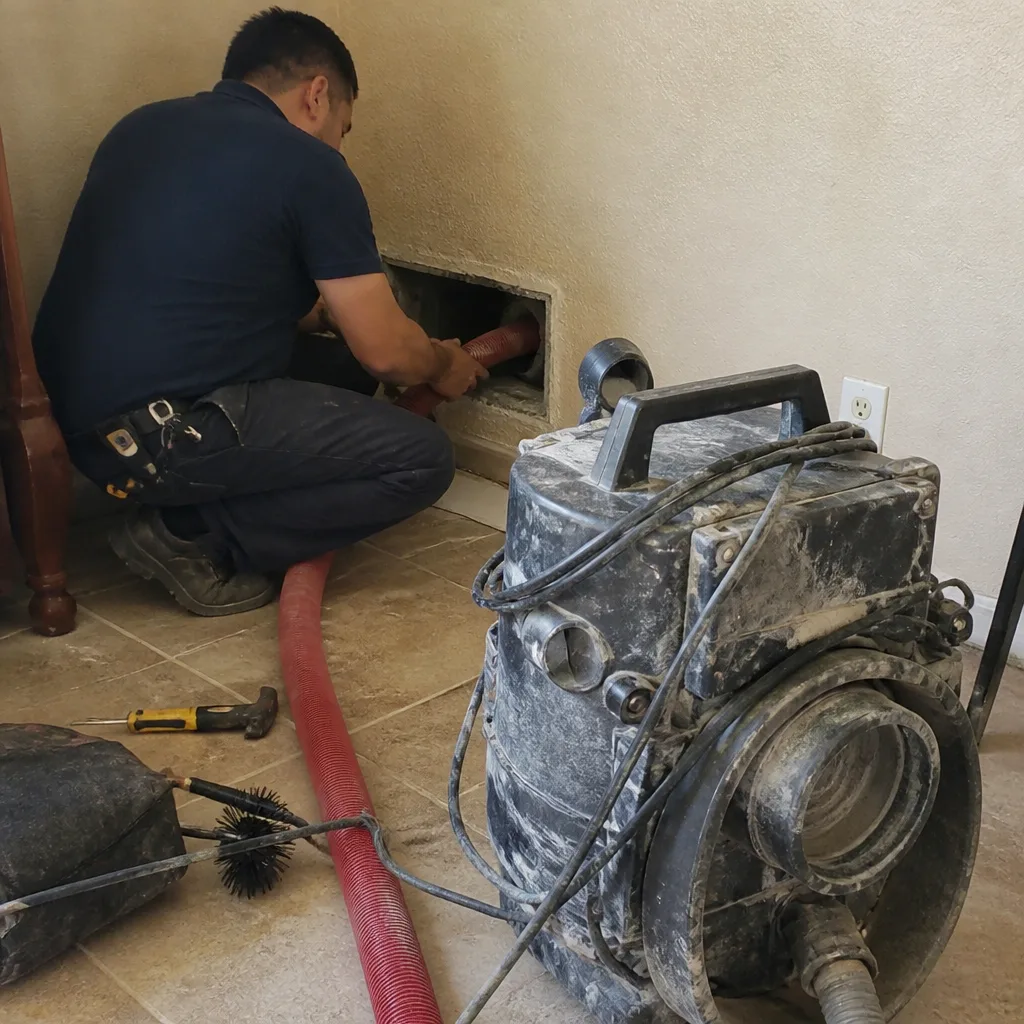 Before
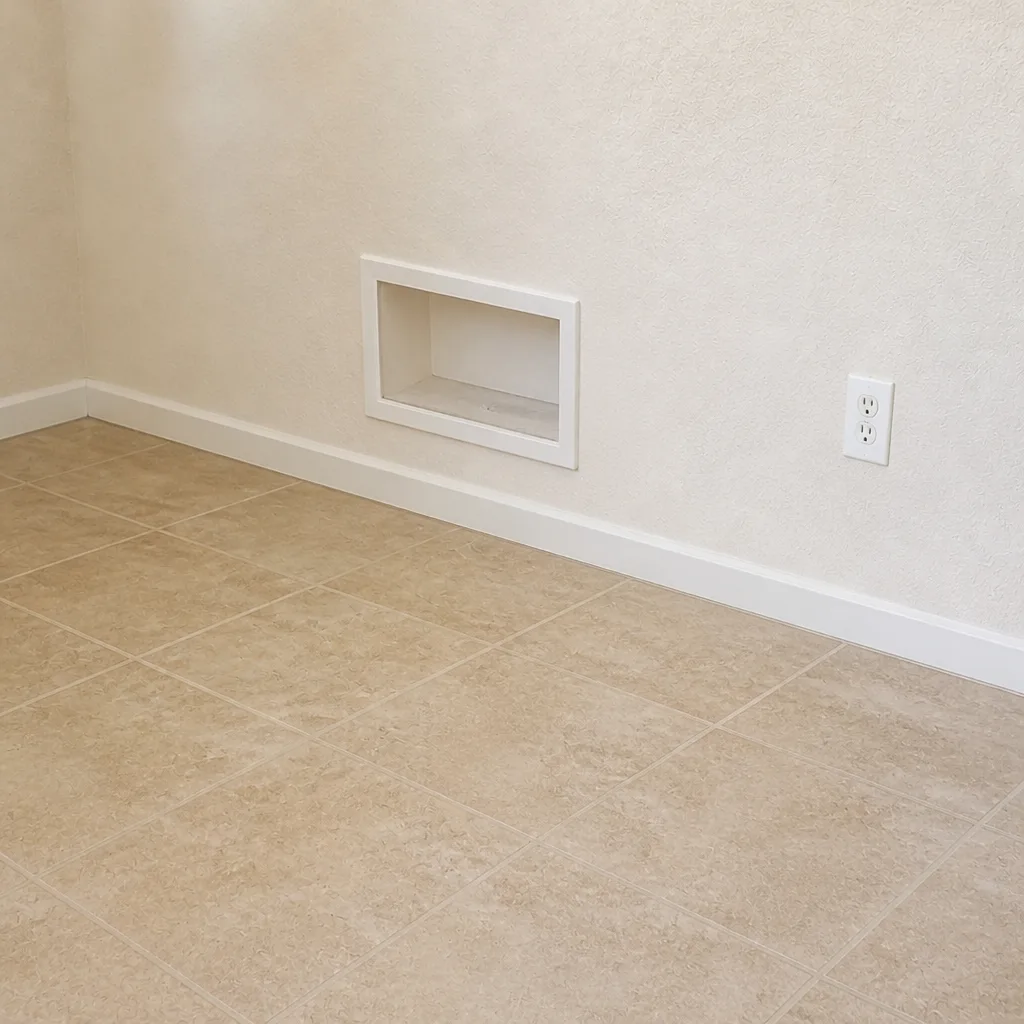 After
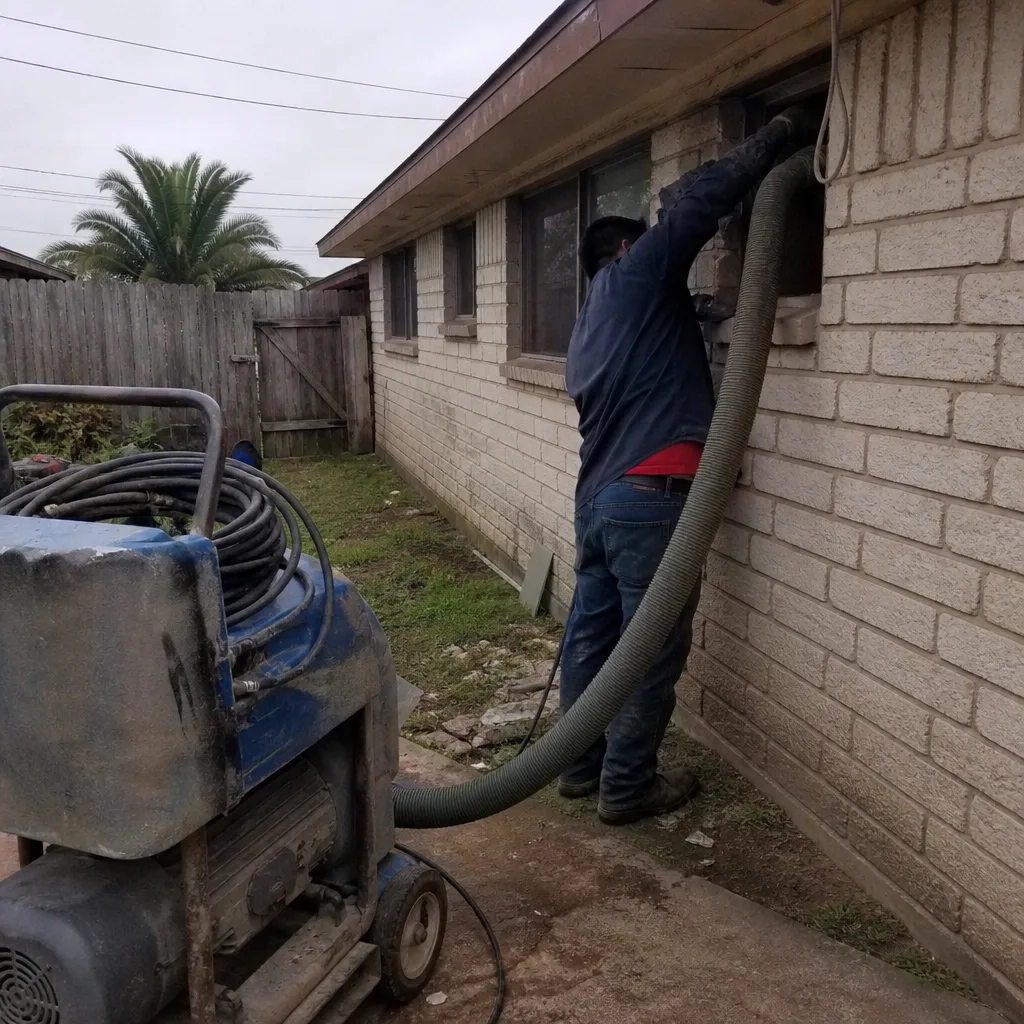 Before
 After
 Before
 After
When to Call a Professional
Call a professional when the checklist has moved past what you can verify yourself. That means persistent uneven airflow across multiple rooms, visible moisture or dark spotting on registers, a musty smell that returns within days of a filter change, or a storm, remodel, or pest event that left you unsure of the condition of the ductwork. It also means the annual coil and drain pan check, which requires opening the air handler and shouldn’t be a homeowner task. If the duct system needs repair rather than just cleaning, that’s also a professional call. Sycamore Air Duct Cleaning offers free estimates in Brownsville – call (866) 986-5459. We answer 24/7. Fast dispatch from 7am to 7pm, Sunday through Friday. If you’re in doubt about whether it’s time, the estimate conversation is free and honest.
Frequently Asked Questions
Most Brownsville homes are well served by a professional cleaning every few years, on a schedule adjusted for household size, pets, and dust exposure. Because the system here runs so many hours a year, the interval tends to be shorter than in cooler climates. Signs like visible register buildup, weakening airflow, or a returning smell mean it’s time sooner. Call (866) 986-5459 for an exact quote – estimates are free.
Change your filter based on how loaded it actually gets in your home, not the label on the box. Start at 30 days, hold it up to the light, and stretch the interval by two weeks at a time until the filter is visibly loaded before the interval ends. Then back off one step and that’s your interval. Dusty stretches, windy weather, and high-pollen seasons usually mean shorter intervals.
Check for ceiling or wall staining near registers, water in the air handler drain pan, and any musty smell in the house. Confirm airflow is as strong as it was before the storm in every room. If you find any of these signs, have the system inspected before you run it. Call (866) 986-5459 for an exact quote – estimates are free.
Yes. Restricted airflow from a dirty filter, a blocked return, or a loaded duct system makes the blower work harder and reduces how efficiently the coil removes heat and humidity. A fouled evaporator coil adds to the same problem. The system still cools, but it runs longer to do it. If airflow feels weaker than usual, it’s worth an inspection – call (866) 986-5459 for an exact quote; estimates are free.
Cheap quotes usually reflect cheaper equipment and less time on the job rather than a better deal. Shop-vac setups, quick single-pass cleaning, and no coil inspection all cost less upfront and often leave the system in the same condition. Ask what equipment will be used before you book. If the answer doesn’t include purpose-built duct-cleaning systems and HEPA vacuum equipment, the price reflects that.
Before-and-after photos of your own ducts are the simplest verification. Ask for them at booking and expect them at completion. A technician with professional equipment can also show you the condition of the coil, the drain pan, and the return side during the visit. Call (866) 986-5459 for an exact quote – estimates are free.
Yes, and that’s the point most maintenance checklists miss. A fouled evaporator coil recontaminates clean ducts within weeks. The coil, the drain pan, and the duct system are one air path, and checking them together is what makes a cleaning hold.
The Bottom Line
A Brownsville duct maintenance checklist should run on cooling demand and storm seasons, not calendar quarters. Watch the registers monthly and photograph them quarterly. Calibrate your filter interval to your own home instead of the label. Do a pre-hurricane inspection in late spring and a post-storm walkthrough after any major rain event. Check the coil and drain pan at the same time as the ducts, because a dirty coil undoes a clean duct system within weeks. And when you hire, ask what equipment is coming into your home. Rotobrush, Nikro, and Abatement Technologies systems aren’t interchangeable with a shop vac. Free estimates at (866) 986-5459. We answer 24/7. Fast dispatch from 7am to 7pm, Sunday through Friday.
Written by the team at Sycamore Air Duct Cleaning.