
Last updated November 15, 2026
 Whole-home duct cleaning
 Dryer vent cleaning
 Camera inspection
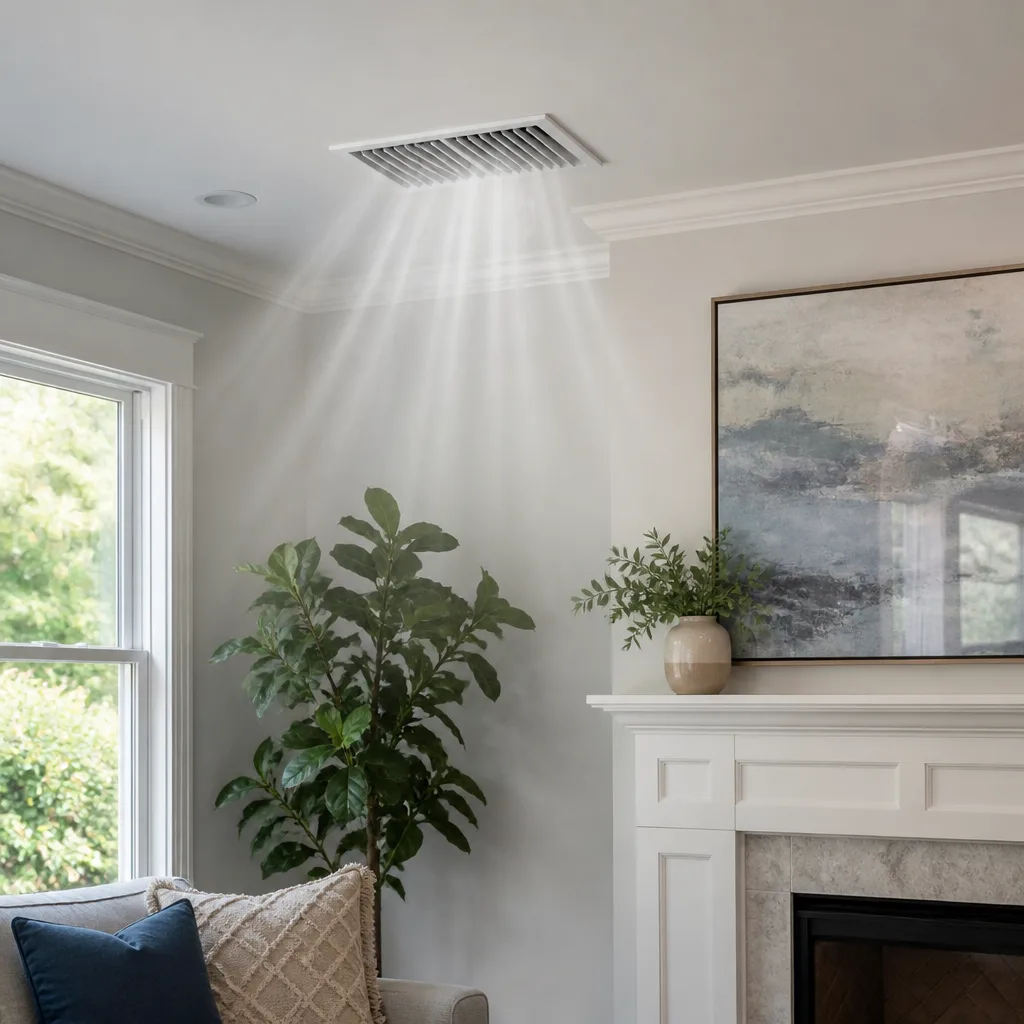 Sanitizing & deodorizing
Whole-system duct and dryer vent check with before-and-after photos - you see exactly what came out of your vents
That "$99 whole-house special" is a bait ad - the real number appears once they are in your hallway, or the "clean" is a shop-vac at the register. We photograph the inside of your ducts before and after instead.
The Complete Guide to Air Duct Cleaning in Brownsville
Most air duct cleaning advice you’ll find online was written for a climate with four seasons and a furnace that runs half the year. Brownsville doesn’t work that way. Here, the air conditioner runs for the better part of the calendar, pulling warm, humid Gulf air across the evaporator coil and pushing conditioned air through the same ducts month after month with no real downtime. That changes everything about how contamination builds up, what it’s made of, and what a genuine cleaning actually requires. In this guide, we’ll walk through the contamination patterns specific to Brownsville, the equipment a real full-system clean demands, why fiberglass duct liner needs different handling than sheet metal, and how to verify the work was done. By the end, you’ll know exactly what to ask before anyone touches your ductwork.
Quick Answer
A complete air duct cleaning in Brownsville means source removal, not surface vacuuming: a technician uses rotary brush or contact cleaning tools to dislodge debris from every duct wall, a HEPA-filtered negative-air machine to capture it, and containment barriers to keep contaminants from spreading into your living space. It should end with a visual verification and airflow check. Because Brownsville’s humidity and near year-round AC use accelerate microbial growth, cleaning here usually matters more often than the national “every three to five years” guideline suggests.
Styles & brands we work with
- Whole-home duct cleaning
- Dryer vent cleaning
- Camera inspection
- Sanitizing & deodorizing
Table of Contents
- Why Brownsville’s Climate Changes Everything
- What Actually Lives Inside Brownsville Ductwork
- The Equipment a Real Full-System Clean Requires
- Fiberglass Duct Liner: The South Texas Problem
- Source Removal vs. Surface Cleaning
- What a Full-System Clean Looks Like, Step by Step
- How to Verify the Work Was Actually Done
- What Air Duct Cleaning Costs in Brownsville
- Common Mistakes to Avoid
- When to Call a Professional
- Frequently Asked Questions
Why Brownsville’s Climate Changes Everything
Brownsville averages more than 220 days of air conditioning use per year. That single fact reshapes the entire cleaning conversation. In a climate where the AC runs for maybe four or five months, ductwork sits idle for long stretches. Dander settles, dust compacts, and there’s little airflow to keep driving particles back into the air stream. Here, the system circulates conditioned air almost continuously, which means the same contamination load that takes years to build in a colder climate can accumulate in a much shorter window.
The bigger factor is humidity. Brownsville’s relative humidity sits in the 75 to 85 percent range for much of the year, and that’s the number that should get your attention. Compare it with El Paso or Lubbock, where average summer humidity often runs well below 40 percent. Mold spores and microbial colonies need moisture to establish and spread, and in a markedly drier Texas climate, duct interiors stay relatively dry between cycles. In Brownsville, they don’t.
What that means practically:
- Humidity inside ductwork stays elevated. When the AC cycles off, condensation on coil surfaces and the moist air that lingers in the system create a microenvironment where biological growth can take hold.
- Contamination has less downtime. Year-round circulation keeps particulate moving, but it also keeps feeding the system with dust, pollen, and humidity.
- Odors show up sooner. That faint musty smell when the AC clicks on isn’t imaginary. It’s usually the first sign something is growing where you can’t see it.
- Allergy season never ends. Pollen, mold spores, and dust mite residue all recirculate through ducts that see continuous use.
This is why we tell homeowners to think about duct cleaning in Brownsville on a shorter interval than a national checklist would suggest. A drier climate can get away with three to five years between cleanings. A subtropical one, with constant AC use, usually can’t. Several homes we’ve worked with that sit near the river or in older neighborhoods with mature tree canopy and lots of shade see elevated dust and humidity retention that pushes that interval shorter still. If you’re scheduling service, our team handles air duct cleaning across the city and can help you decide whether your system needs a full clean or a focused source-removal visit.
It also means filter changes matter more, not less. A standard 1-inch filter in a Brownsville home running the AC most of the year clogs faster than the packaging suggests. Change it on a tighter schedule than the label says and you’ll reduce how much debris gets pulled into the system in the first place.
What Actually Lives Inside Brownsville Ductwork
When we pull a camera through a Brownsville duct system, the mix of contamination is consistent enough to be predictable. Understanding what’s in there helps explain why surface cleaning isn’t enough.
Dust and particulate. Every home generates dust, but the specific blend here includes mineral dust tracked in from sandy soil, fine construction debris from the area’s newer subdivisions, and the usual household skin cells and fibers. High humidity makes these particles clump and stick to duct walls instead of staying airborne.
Pollen. South Texas has an extended growing season, and pollen from local trees, grasses, and brush enters through the return side of the system. In a home whose return registers sit on the floor, this load is constant.
Mold spores and microbial growth. Virtually all air contains mold spores. The question is whether the duct environment lets them colonize. In Brownsville’s humidity, it often does, especially in the transition from the air handler downstream through the supply trunk where condensation and cool, damp conditions persist. Visible growth on the evaporator coil or fiberglass liner is a common finding. So is that musty smell.
Dust mite debris. Dust mites thrive in warm humid environments, and their residue is a well-documented allergen. Ductwork that never dries out fully supports them.
Pet dander. Even in homes with one small pet, dander accumulates in returns and the main trunk. It’s sticky and fine, so it coats surfaces rather than settling out.
The interconnected point: in a drier climate, mold and dust mites are minor concerns that a good filter can largely address. In Brownsville, they’re the primary drivers behind allergy symptoms, musty odors, and uneven airflow. If someone in your household has developed seasonal symptoms that don’t follow a clear allergy calendar, the ductwork is a legitimate suspect. Our Sycamore Air Duct Cleaning team sees this pattern often enough that we generally recommend starting with a full-system inspection before assuming the problem is seasonal.
The Equipment a Real Full-System Clean Requires
This is the section that separates a real service from a coupon special. Most homeowners have never been told what equipment should show up at the door, and that information gap is exactly what discount crews rely on. Here’s what a legitimate full-system clean requires.
Negative air machines and HEPA filtration
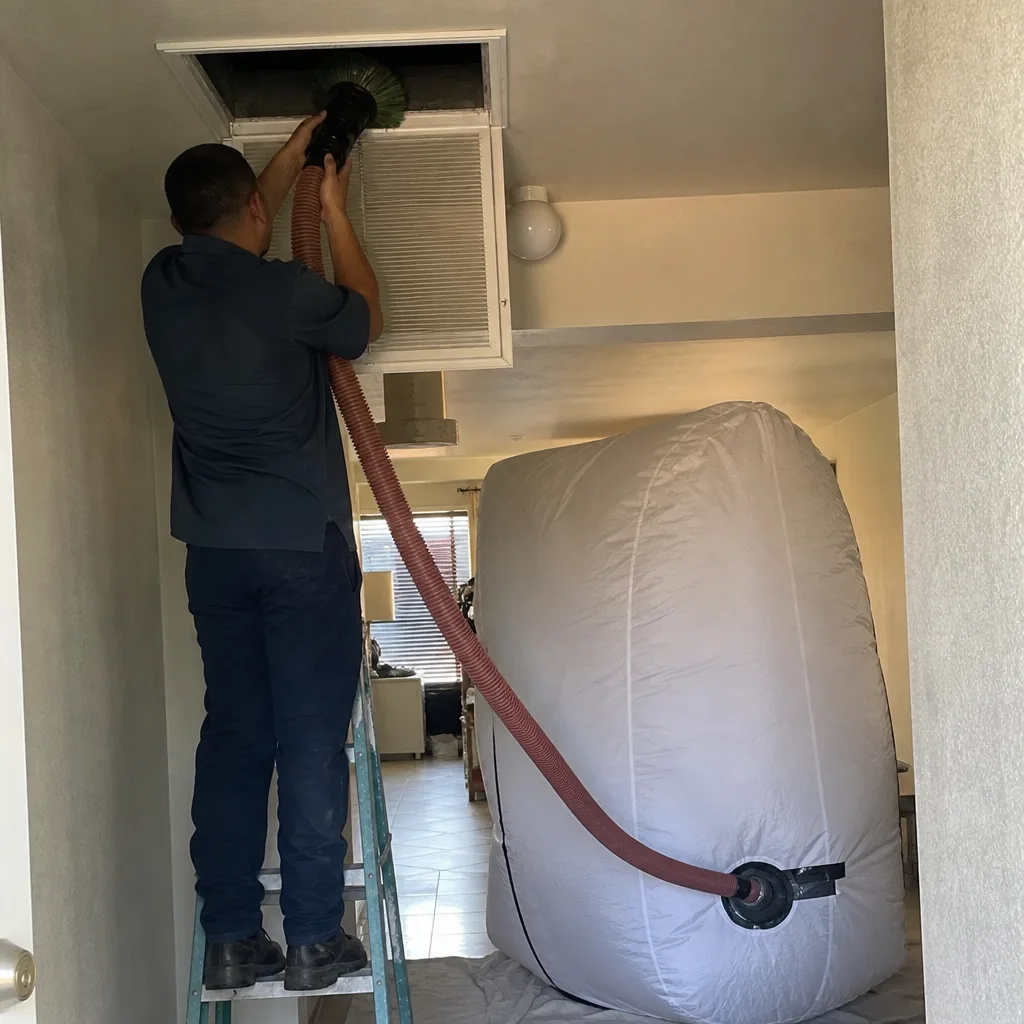
Before any cleaning starts, a negative air machine with HEPA filtration is connected to the duct system and pulls the interior into negative pressure. This does two things. It captures the debris being dislodged, and it prevents that debris from escaping into your living space. Abatement Technologies negative-air equipment, which is the same standard used on professional mold and contamination remediation projects, is what we deploy. Without negative pressure, a technician is essentially stirring up everything you’re trying to remove.
Rotary brush and contact cleaning systems
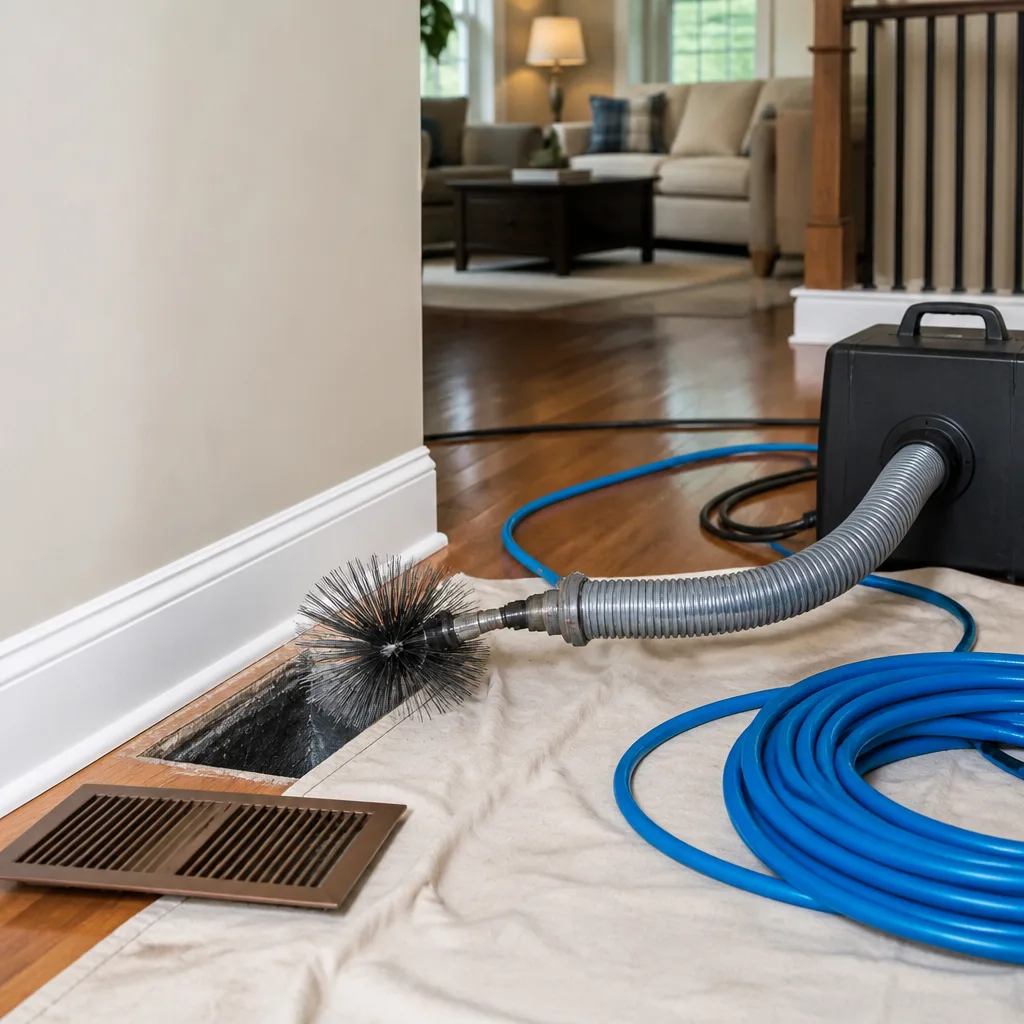
A rotary brush, or contact cleaning tool, physically agitates the duct wall to break debris loose. This is the actual cleaning action. Suction alone does not remove adhered debris from a duct wall. Rotobrush contact-cleaning systems are built for exactly this purpose, and they include the flexible rotary tools needed to reach the entire branch run, not just the accessible sections near the registers.
HEPA vacuum equipment
Nikro HEPA vacuums are the capture side of the equation. A shop vacuum, even a good one, uses a filter that lets fine particles through. HEPA filtration catches particles at the level that actually matters for indoor air quality. When you see a “professional” arrive with a shop vac and a compressor, that’s not a full-system clean. It’s a surface dusting that will look convincing on a before-and-after photo and change nothing about your air quality.
Containment materials
Abatement Technologies containment barriers seal off work areas and open register boots during cleaning. This is a remediation-grade protocol, not a formality. It’s what keeps dust and dislodged debris out of the rooms you’re occupying while the work is happening.
Surface protection
Guardsman surface protection goes down before equipment enters the home and comes up after. It reflects attention to finish and flooring, and it’s a small signal of a service that respects the home it’s working in.
Here’s the question we’d encourage every Brownsville homeowner to ask before booking: what equipment is coming into my home? Any legitimate answer will name real equipment categories. If the answer is vague or skips negative pressure and HEPA capture entirely, that’s your answer.
Fiberglass Duct Liner: The South Texas Problem
Many South Texas homes have interior-lined fiberglass ductwork, especially in attics and in trunk runs where insulation value matters. Fiberglass liner does a good job of keeping conditioned air cool, but its porous surface behaves very differently from sheet metal when contamination sets in. Debris sinks into the material rather than sitting on top of it, and in Brownsville’s humidity, biological growth can establish inside the liner itself.
That matters because the cleaning protocol is different. Here’s where homeowners and budget crews go wrong:
- Sheet metal tolerates aggressive brush action. You can run a rotary brush hard against galvanized steel without damage.
- Fiberglass liner does not. Heavy mechanical agitation can tear or shred the liner, which then becomes a new debris problem. Liner needs controlled, appropriate contact cleaning rather than aggressive scrubbing.
- Wet liner is a red flag. If a liner section is saturated or shows active microbial growth, cleaning alone may not be enough. In some cases the damaged section is removed and replaced, which is where a repair service becomes necessary.
- Sheet metal ducts can sometimes be surface-cleaned with mechanical tools; fiberglass-lined ones need inspection and judgment. The technician needs to know what they’re looking at.
This is where the Brownsville climate intersects with construction practice. Attic ductwork here faces temperatures that push 130 degrees and higher on summer afternoons, and the humidity cycling in and out of those spaces accelerates wear on liner material. If your home’s ductwork is fiberglass-lined, and a lot of Brownsville homes are, ask specifically how the technician handles it. A capable answer will acknowledge the difference. And if the liner is damaged, you’ll need a company that can handle repair, not just cleaning, without sending you to source a separate contractor.
Source Removal vs. Surface Cleaning
There are two entirely different things sold as “air duct cleaning,” and only one of them does anything useful.
Source removal is the NADCA (National Air Duct Cleaners Association) standard. It means the technician physically dislodges contamination from every interior surface of the duct system, including the trunk, branches, returns, and components, and captures it under negative pressure. Every surface that air passes over gets cleaned. The contamination is removed from the system, not redistributed.
Surface cleaning is what a budget crew does when they don’t have the right equipment. They vacuum what they can reach near the registers, maybe knock some dust loose with a compressed-air line, and call it done. The ducts near the vents look clean on a camera shot, while the trunk line, coil surfaces, and inaccessible branches remain untouched. Sometimes the compressed air actually pushes debris deeper into the system, or straight into the living space.
The practical implication is blunt: after a source-removal clean, the ducts actually contain less biological matter and debris than before, and airflow improves. After a surface clean, you’ve paid for the appearance of cleaning.
Which one did you get? The verification steps later in this guide will tell you. The line-item review is simpler: did the crew have negative air equipment and a rotary brush system, and did they run it through the full system rather than the visible registers? If the answer is no, it was surface cleaning regardless of what the invoice says.
What a Full-System Clean Looks Like, Step by Step
A proper clean follows a sequence. Here’s what a full-system source-removal service actually involves, so you know what should be happening in your home.
- Inspection first. Before any cleaning starts, the technician inspects the ductwork, confirms the layout, and identifies liner condition, existing damage, and any areas with active moisture. This determines the plan and the tools used.
- Containment and surface protection. Register boots and open work areas are sealed with containment barriers. Floors and adjacent surfaces are covered with protection.
- Negative air setup. HEPA negative air machines connect to the system and put the ducts under negative pressure before any cleaning begins. This runs throughout the job.
- Contact cleaning of the full system. Rotary brush tools run through returns, trunk, and branch runs. Fiberglass-lined sections are handled with appropriate care. The air handler, coil cabinet, and accessible components are cleaned as part of the system.
- Capture and containment throughout. Dislodged debris never leaves the system until it’s captured under HEPA filtration. Containment stays up until all cleaning is complete.
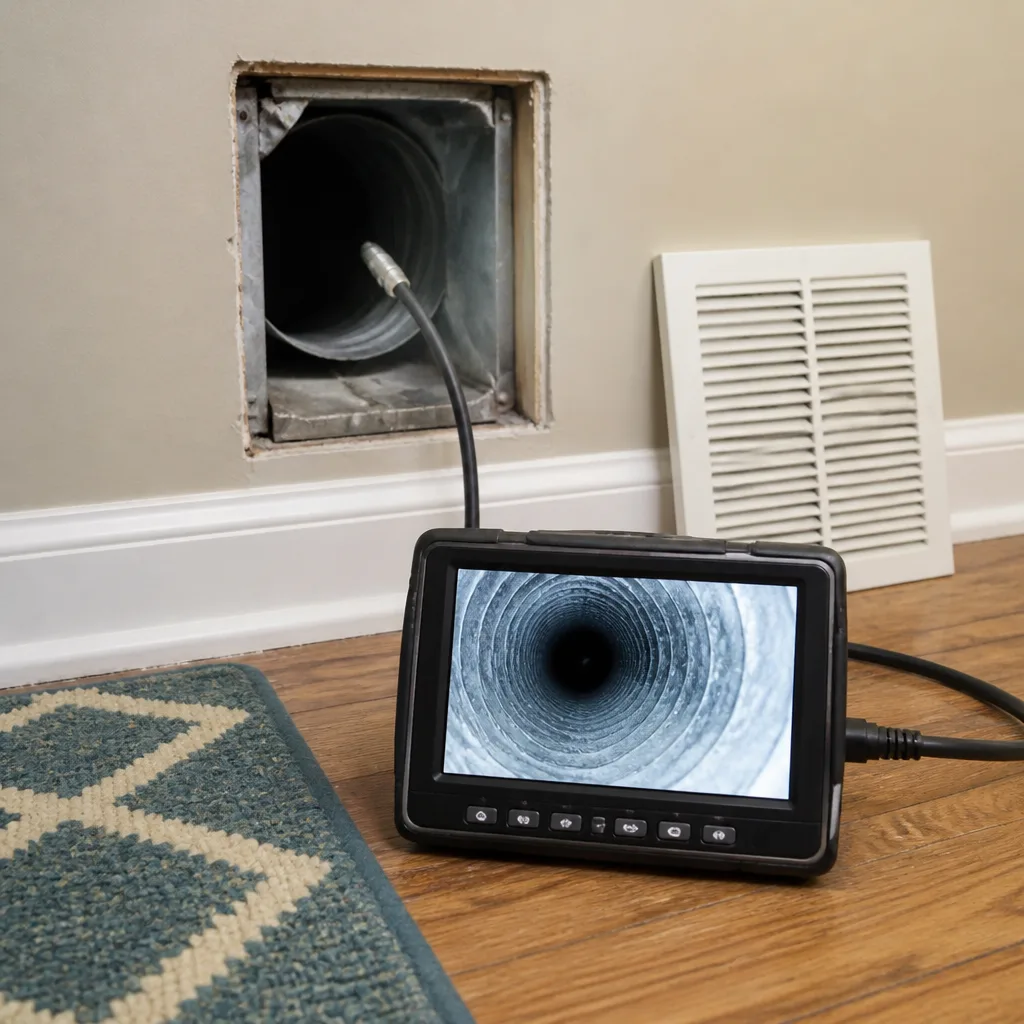
- Verification. A visual check through camera access to the interior confirms cleaning is complete. Airflow is tested at vents to confirm improvement. Filters are checked and replacement timing discussed.
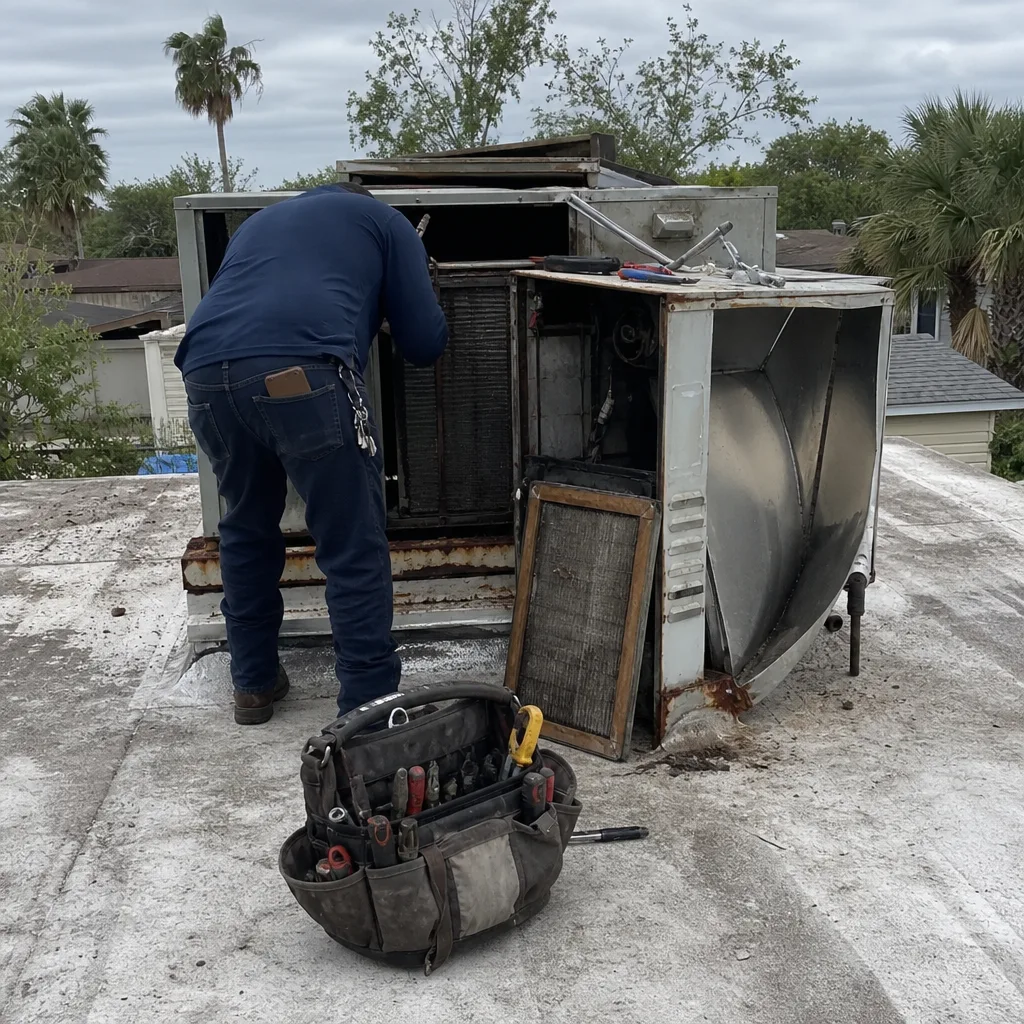
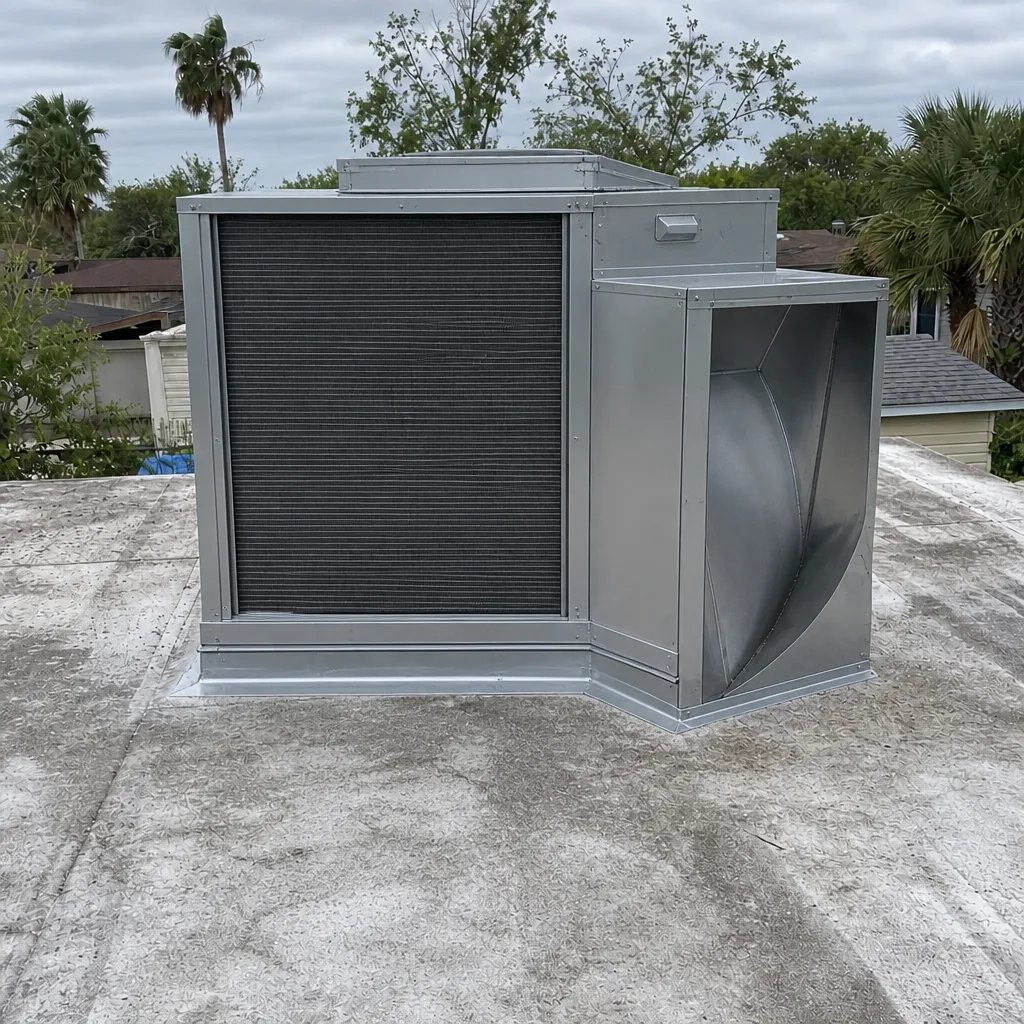
- Before-and-after documentation. Photos of the interior of the ducts before and after cleaning, provided to you. If the technician hasn’t documented what they found and what they removed, ask why.
- Filter change and system close-out. New filters go in as part of the final step so post-cleaning air enters a clean system. Containment is removed, and the home is left as found.
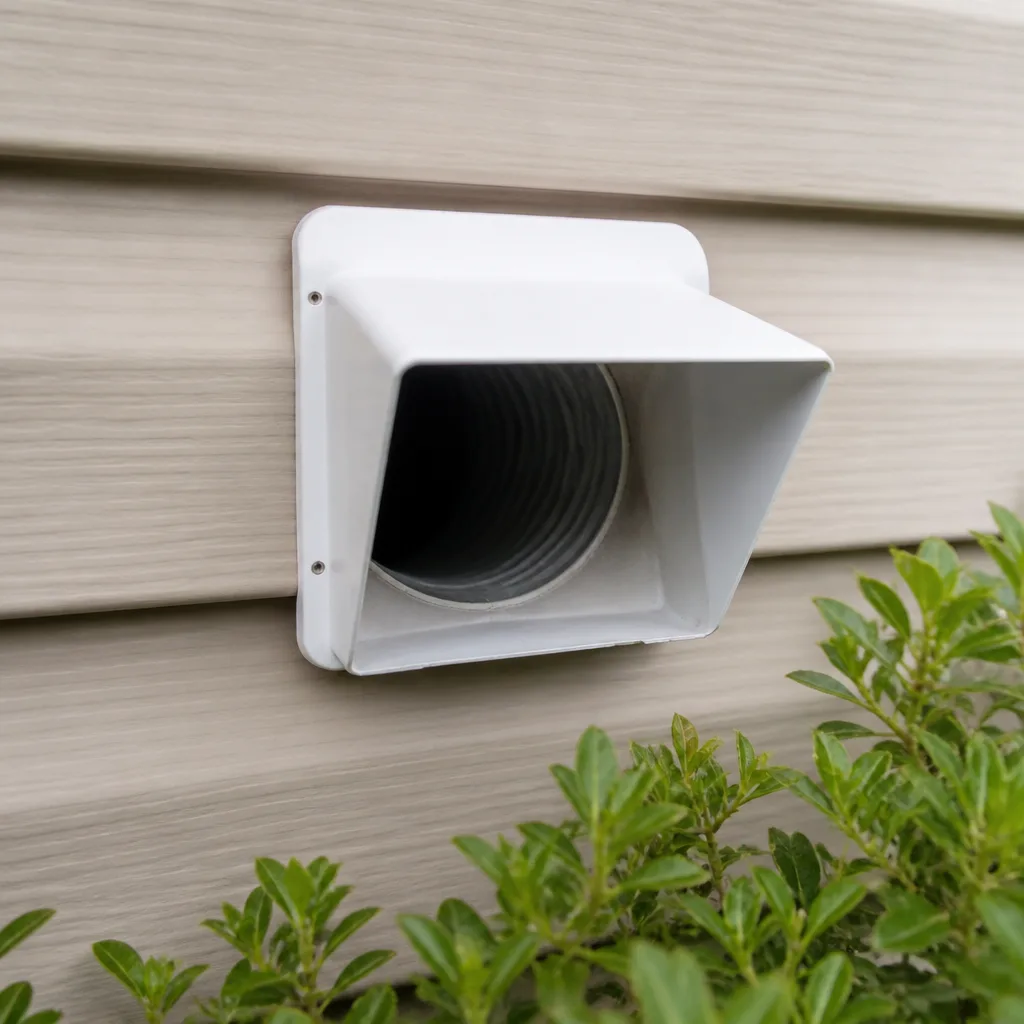
For homes with a dryer nearby, or with a dryer vent that hasn’t been inspected, it’s worth adding dryer vent cleaning to the same visit. Lint accumulation in a dryer vent is a leading cause of residential fires, and it’s a job that should be treated as a genuine safety service rather than an upsell tacked onto the invoice at the end.
How to Verify the Work Was Actually Done
You’re the person paying for this. Here’s how to verify that the work happened, before the crew leaves.
Airflow testing
Ask the technician to measure airflow at several registers before and after cleaning. Comparing readings gives you a number rather than an impression. Airflow that improves measurably is evidence the ducts were cleaned. Airflow that doesn’t change at all is a reason to ask questions.
Visual camera inspection
Ask to see camera footage, or at minimum interior photos, of the main trunk line and a couple of branch runs before and after. Compare them yourself. Cleared duct walls, no visible growth, and no remaining debris on the duct floor are the standard. This is documentation of the work, and a legitimate crew will produce it without being asked twice.
Filter replacement timing
A full clean should end with a fresh filter in the system, and with a specific recommendation on how often to change it going forward. In Brownsville’s climate, expect the interval to be tighter than the filter packaging suggests. A technician who doesn’t discuss filter timing has left the job half done.
Containment evidence
If the crew used negative air equipment properly, you shouldn’t see dust settling on surfaces in adjacent rooms during the work. Noticeable dust on furniture after a “professional” clean means containment wasn’t working.
What Air Duct Cleaning Costs in Brownsville
Air duct cleaning in Brownsville typically runs as a whole-system service priced per home, not per vent. The honest way to price this is a flat rate agreed before any work starts, based on system size and layout. Here’s what that looks like:
- Standard residential system: a whole-system clean is quoted per system, agreed in writing before work begins, based on number of returns and total duct run. Expect a typical range that reflects proper equipment and full contact cleaning, not a teaser figure.
- Fiberglass-lined or attic-inaccessible systems: cost shifts slightly higher because the cleaning protocol requires more careful equipment handling and more time. This is priced by inspection, not quoted blind over the phone.
- Duct repair, if needed: priced separately after inspection, with a written estimate before any repair work.
- Dryer vent cleaning: a separate dedicated service, priced independently, and never bundled into the duct clean as an automatic add-on.
The reason we don’t publish a per-vent price is simple: per-vent pricing encourages crews to clean only the visible vents quickly. Whole-system pricing keeps the scope where it belongs. A low coupon figure that grows once the technician is on site is the bait-and-switch pattern this industry is known for, and it works because homeowners don’t know what equipment should be on the job.
The written estimate sets the final price. Ask what’s included, confirm the equipment list, and confirm you’ll get before-and-after photos of your own ducts. Those three questions separate a professional clean from a surface vacuum. For a free estimate in Brownsville, call (866) 986-5459.
Common Mistakes to Avoid
- Choosing on price alone. The cheapest quote usually reflects a crew without negative air equipment or rotary brush systems, which means surface cleaning. Ask what equipment is coming into your home before you book.
- Confusing compressed air for cleaning. A technician who blows compressed air through registers without HEPA capture is redistributing contamination into the living space. This creates a new air quality problem while charging you for a “clean.”
- Skipping the filter change. A clean system with a loaded filter recontaminates quickly. Change the filter as part of the service, and on a tighter schedule in Brownsville’s humidity than you would in a drier climate.
- Ignoring fiberglass liner damage. Aggressive cleaning on lined ductwork can tear the liner. Ask specifically how the technician handles fiberglass, and get liner condition inspected as part of the job.
- Assuming the smell is normal. That faint musty odor when the AC first comes on is a classic sign of microbial growth in the system. In Brownsville’s humidity, it’s worth investigating rather than living with.
- Treating the dryer vent as an afterthought. Lint accumulation in a dryer vent is a genuine fire risk. If it hasn’t been inspected in a few years, add it to the visit.
- Not asking for documentation. If the technician isn’t producing before-and-after photos and airflow readings, you have no way to verify what happened. The best crews document their work without prompting.
When to Call a Professional
Not every home needs duct cleaning every year, but some situations make it a clear yes. If you’re seeing visible dust or debris blowing from supply registers, that’s a strong signal. Persistent musty odors when the AC starts, or an unexplained spike in allergy symptoms that don’t follow a seasonal schedule, are both worth investigating with a camera inspection. Uneven airflow between rooms, or a system that seems to work harder than it used to, can point to restriction inside the ducts. If the previous owner of your home never had the ducts cleaned, or you’ve recently completed a renovation that generated dust and debris, the same advice holds. And if your filter is dark within weeks of replacement, that’s telling you something is being pulled through. For any of these, a professional inspection with camera and airflow testing will tell you whether cleaning or repair is the right answer.
Sycamore Air Duct Cleaning offers free estimates in Brownsville. Call (866) 986-5459. We answer 24/7. Fast dispatch from 7am to 7pm, Sunday through Friday. We clean, repair, and protect, and our technicians have up to 15 years of experience.
Frequently Asked Questions
The cost is priced per system, not per vent, and is agreed in writing before any work starts. Pricing depends on system size, number of returns, total duct run, and whether the ductwork is fiberglass-lined or sheet metal. We don’t publish a per-vent price because that format encourages crews to clean only visible vents. Call (866) 986-5459 for an exact quote: estimates are free.
The cheaper quotes are almost always surface cleaning. The crew doesn’t bring a negative air machine, uses a shop vacuum instead of HEPA equipment, and skips the rotary brush contact cleaning that actually removes adhered contamination. The price is lower because the work is fundamentally different. Ask any company what equipment they’ll bring, and if the answer doesn’t include negative pressure and HEPA capture, the quote is telling you what you’d get. Call (866) 986-5459 for a realistic estimate.
Ask for before-and-after interior photos of your own ducts, and ask for airflow readings at several registers taken before and after cleaning. The combination lets you verify both that the ducts were cleaned and that airflow improved. A crew without documentation expects you to take their word for it. We document every job. Call (866) 986-5459 to book with a team that will.
In a drier climate, three to five years is a reasonable interval. Here, the combination of high humidity and almost year-round AC use compresses that timeline. For most Brownsville homes, we’d recommend inspecting at roughly two to three years and cleaning when inspection confirms it’s warranted. Homes near heavy shade, with pets, or with a history of moisture issues tend to need it sooner. Call (866) 986-5459 to discuss your specific situation.
Yes. With relative humidity in the 75 to 85 percent range for much of the year, mold spores and dust mites find conditions that drier Texas climates simply don’t create. Duct interiors stay damp between cycles, and biological growth can establish inside the system. A drier city like El Paso or Lubbock sees much lower indoor duct humidity, and that difference is what shortens the effective cleaning interval here.
Source removal is the NADCA standard: every interior surface of the duct system is dislodged of contamination and captured under negative pressure. Surface cleaning is a shop-vac pass of the visible areas while the trunk line and coil surfaces stay untouched. Only source removal actually improves the system. Call (866) 986-5459 to book a source-removal clean with proper containment and documentation.
The Bottom Line
Brownsville’s humidity and its roughly 220-day AC season mean your ductwork faces a different contamination timeline than the national guidance assumes. Mold spores, dust mite debris, and adhered particulate build up faster in a subtropical system that runs almost continuously. A full-system clean here means negative air pressure, HEPA capture, and rotary contact cleaning across the whole system, with special care given to fiberglass duct liner, plus verification by camera and airflow testing. Verify the equipment, ask for documentation of your own ducts, and treat dryer vent cleaning as a safety service. The written estimate is the price. Call (866) 986-5459 for a free estimate. We answer 24/7. Fast dispatch from 7am to 7pm, Sunday through Friday.
Written by the team at Sycamore Air Duct Cleaning.
See the difference
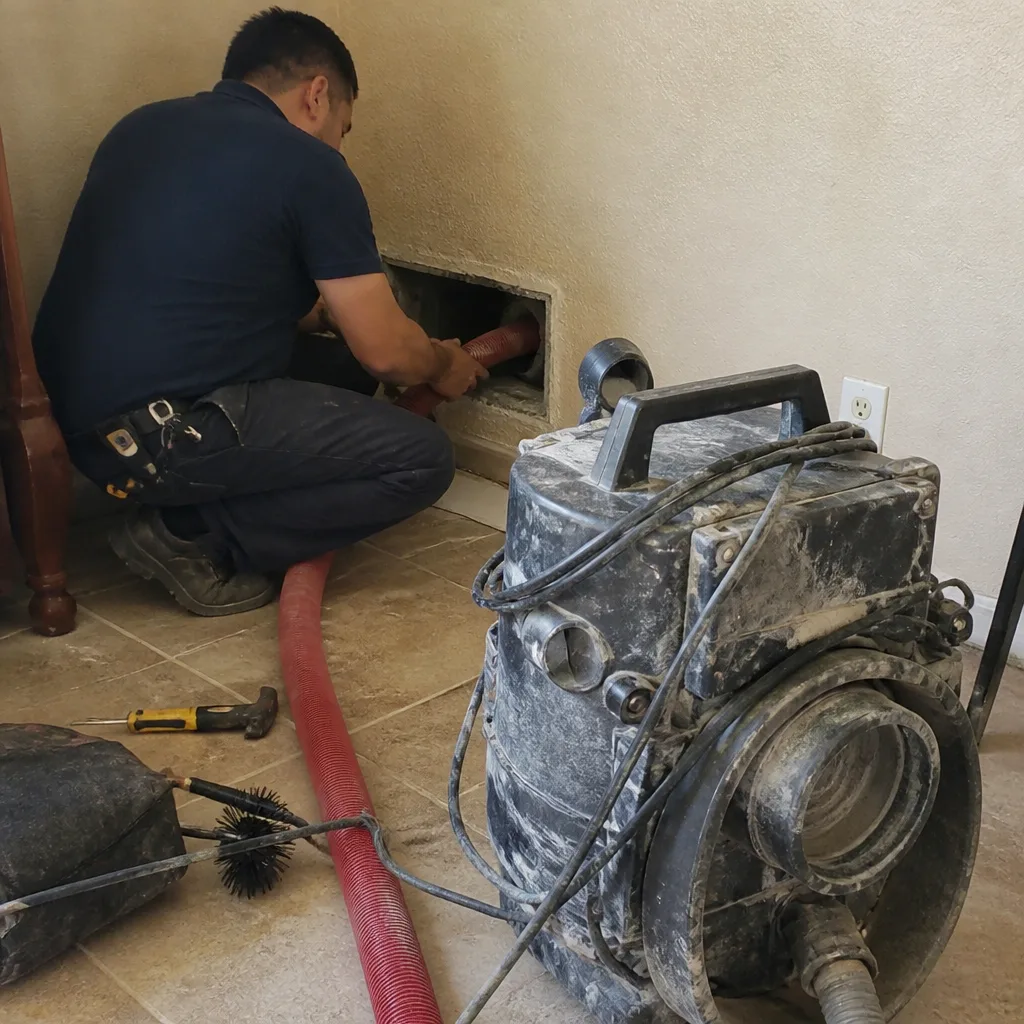 Before
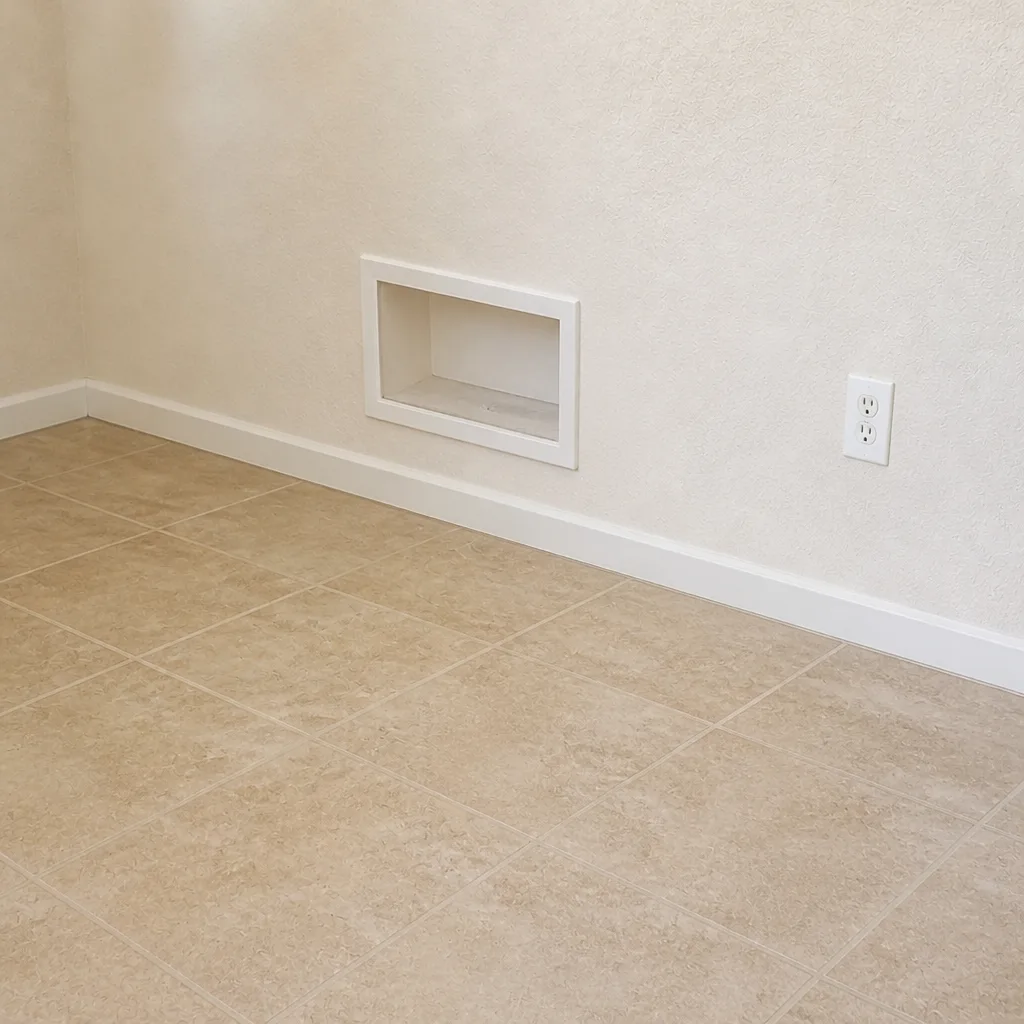 After
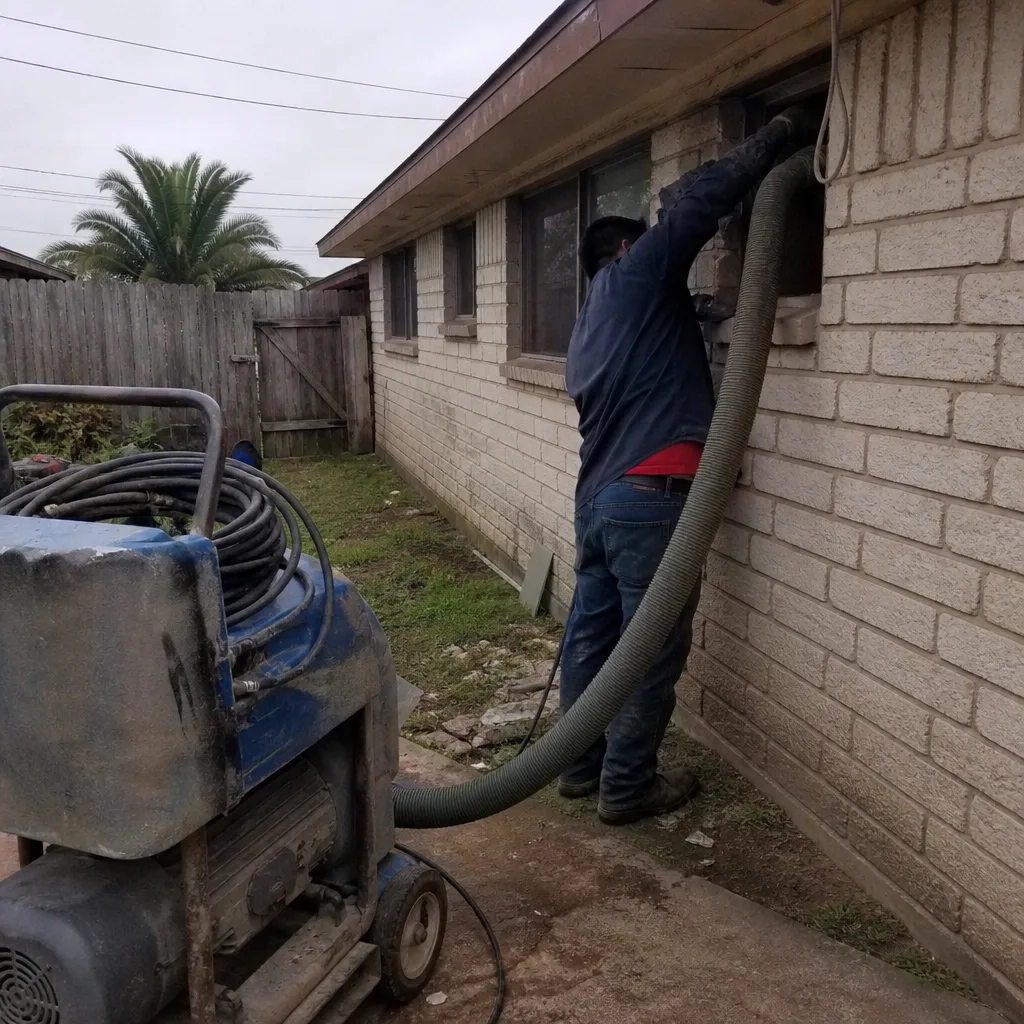 Before
 After
 Before
 After