
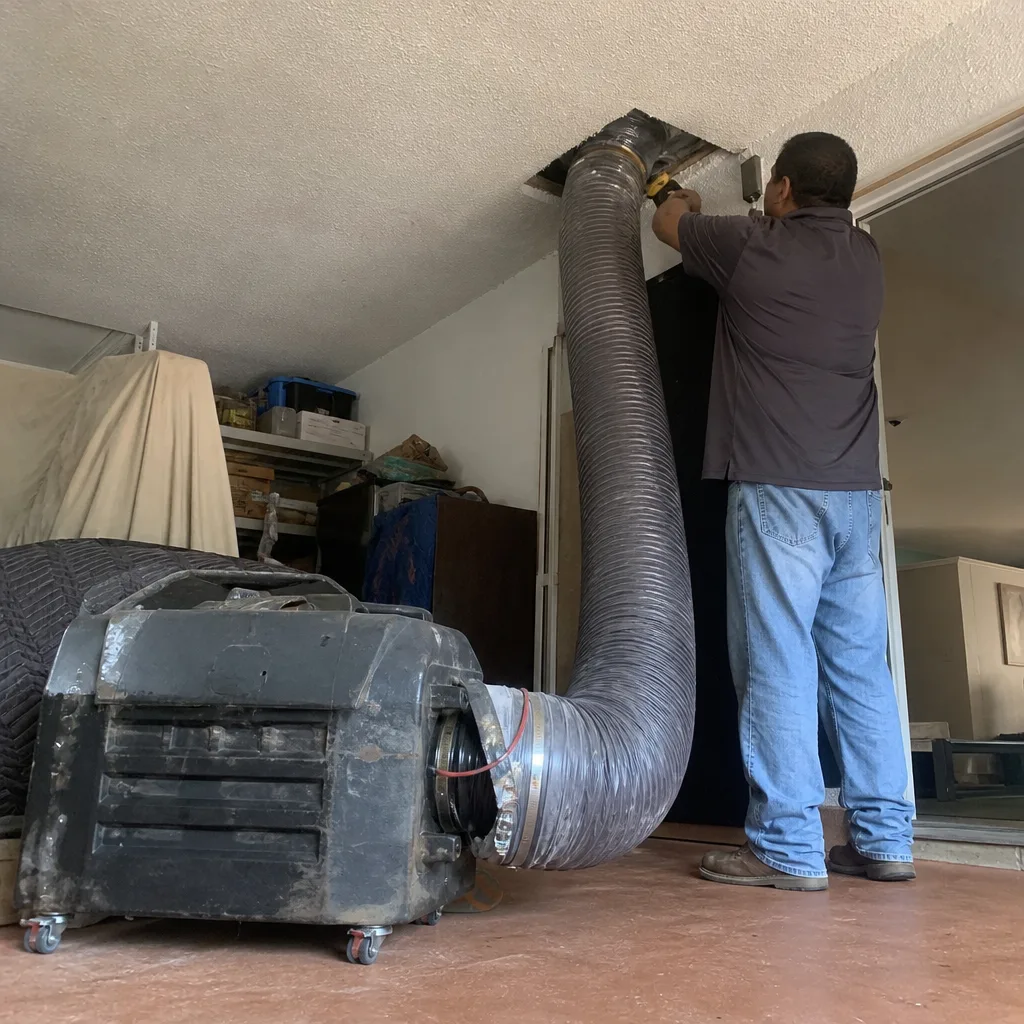
Last updated November 15, 2026
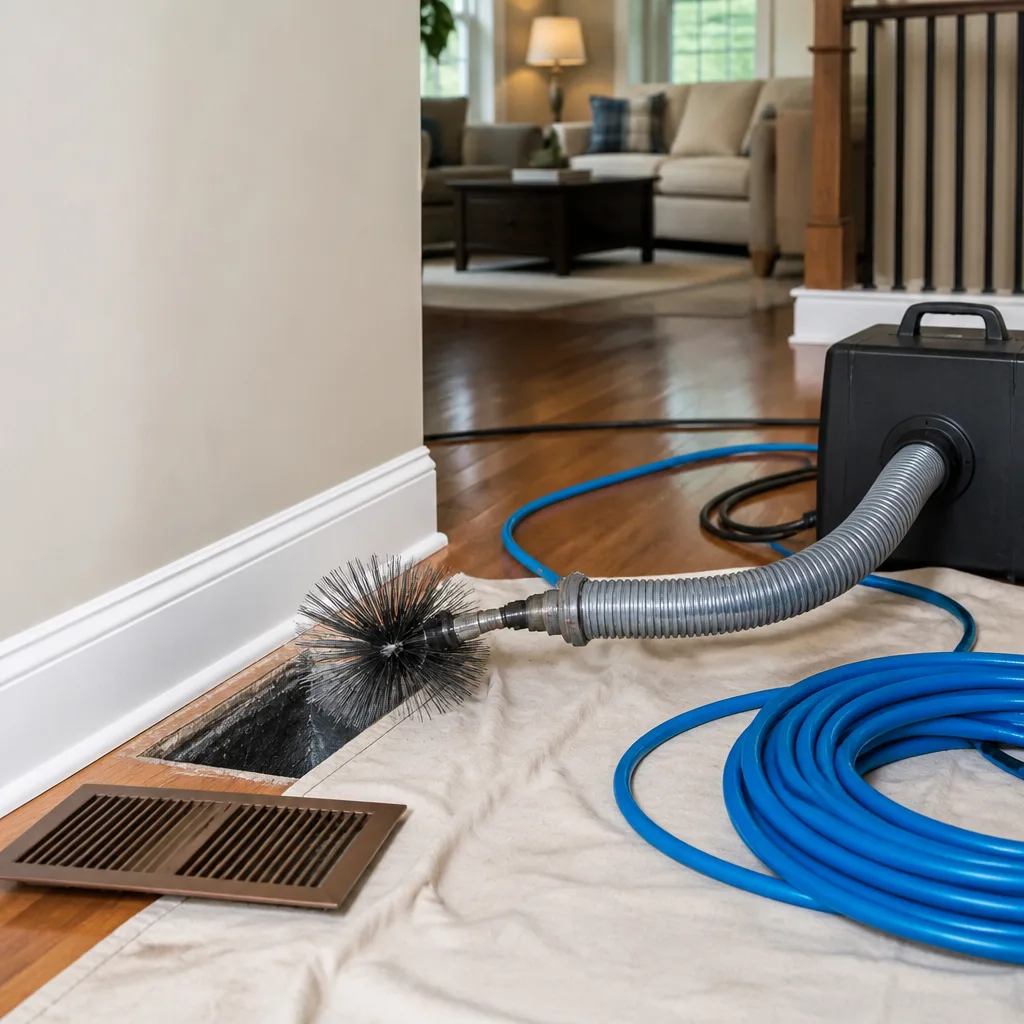 Whole-home duct cleaning
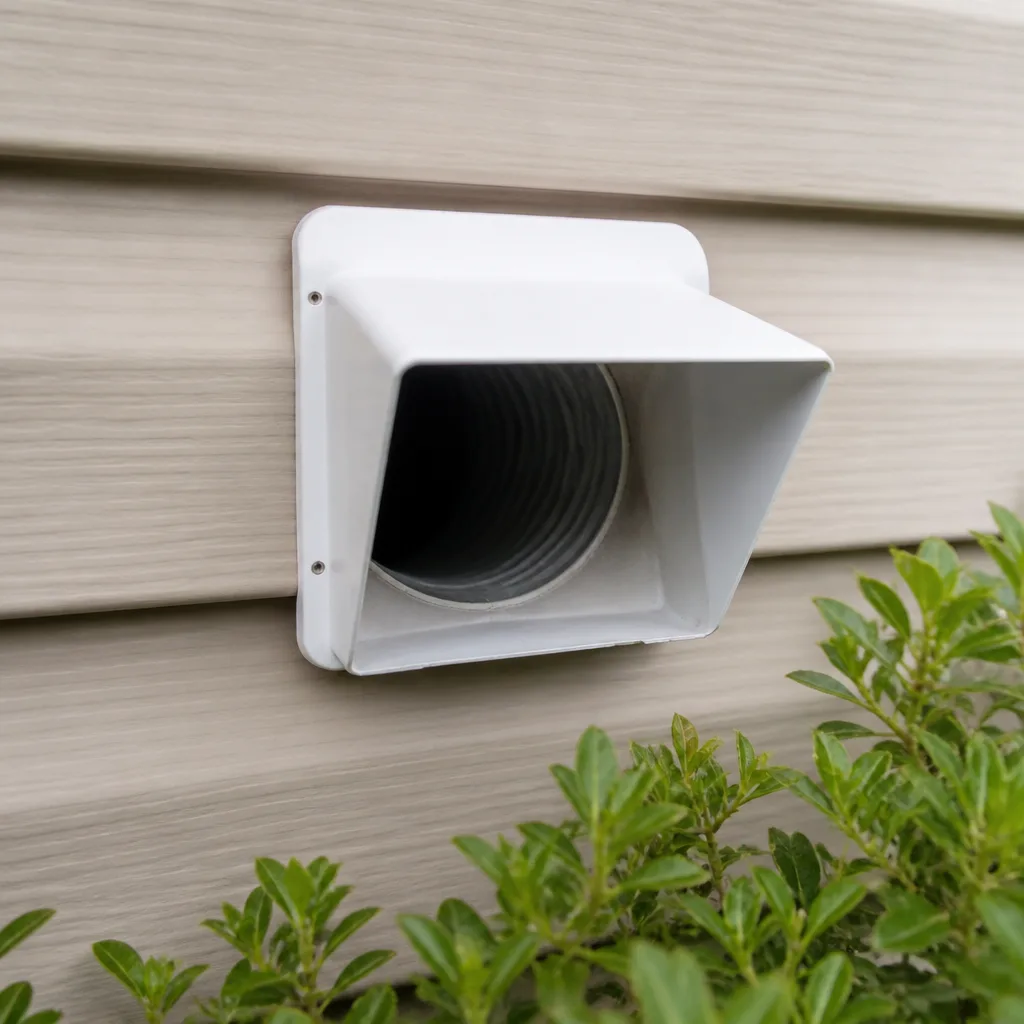 Dryer vent cleaning
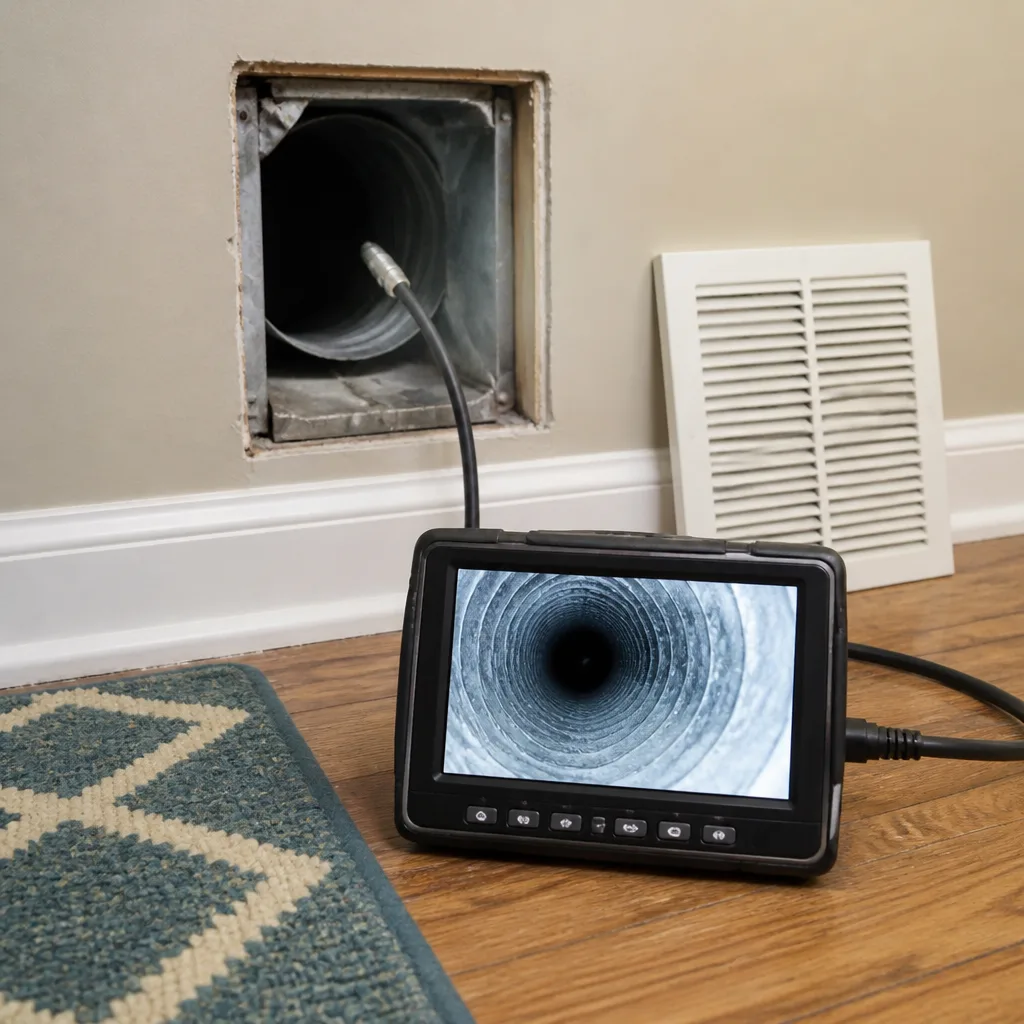 Camera inspection
 Sanitizing & deodorizing
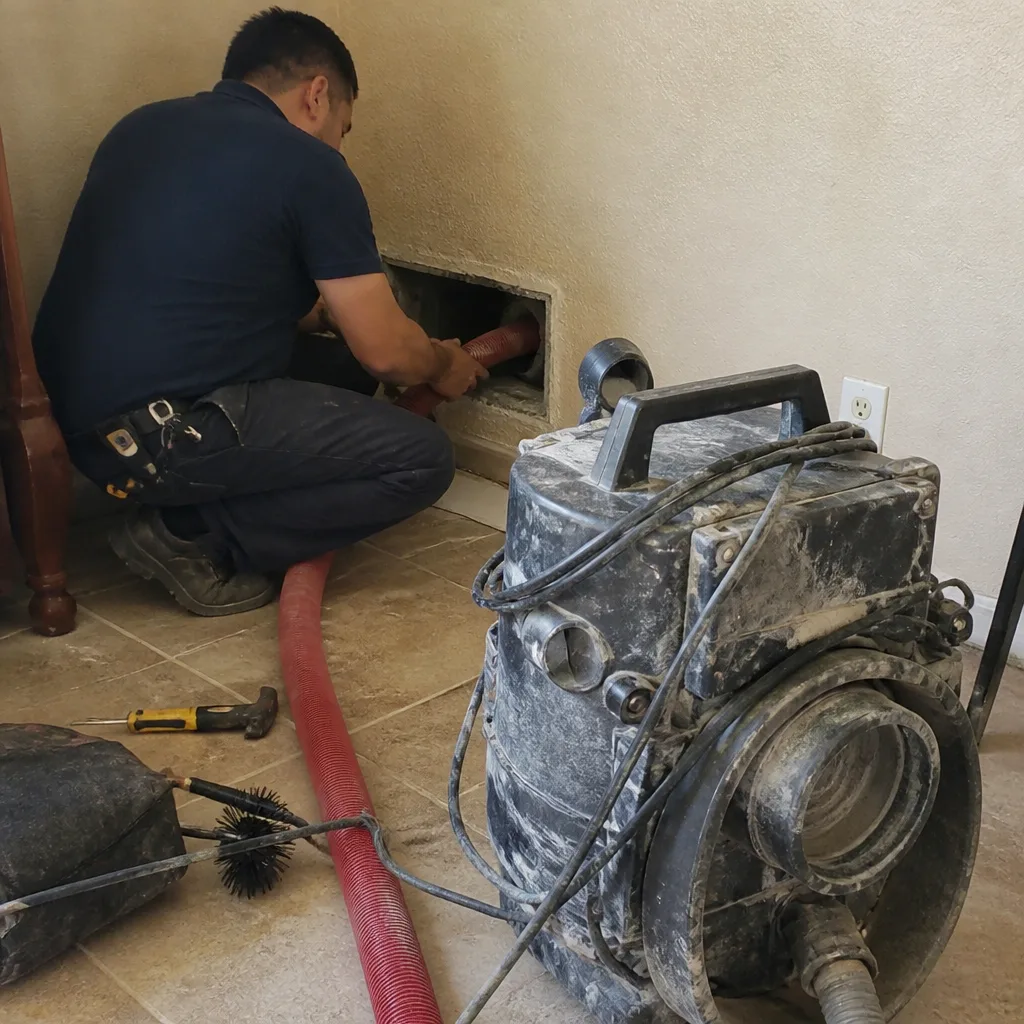
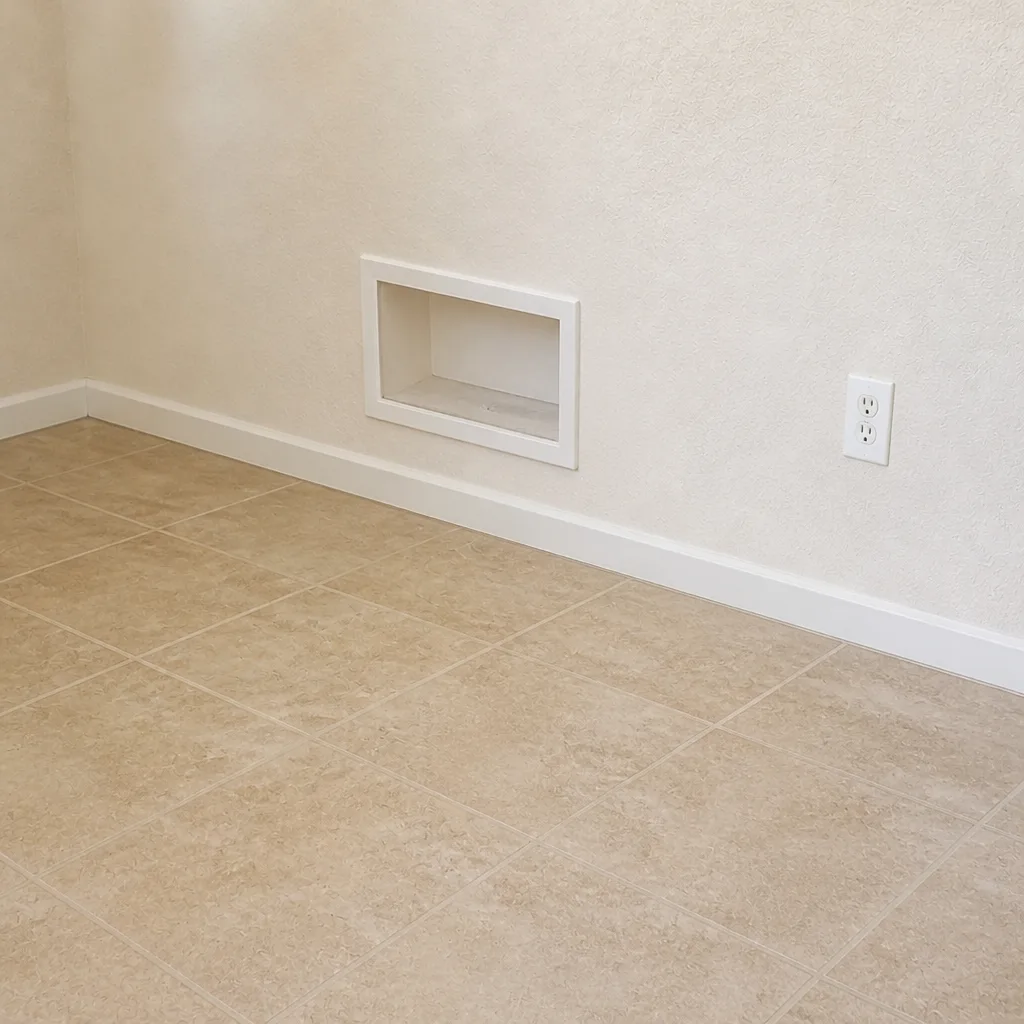
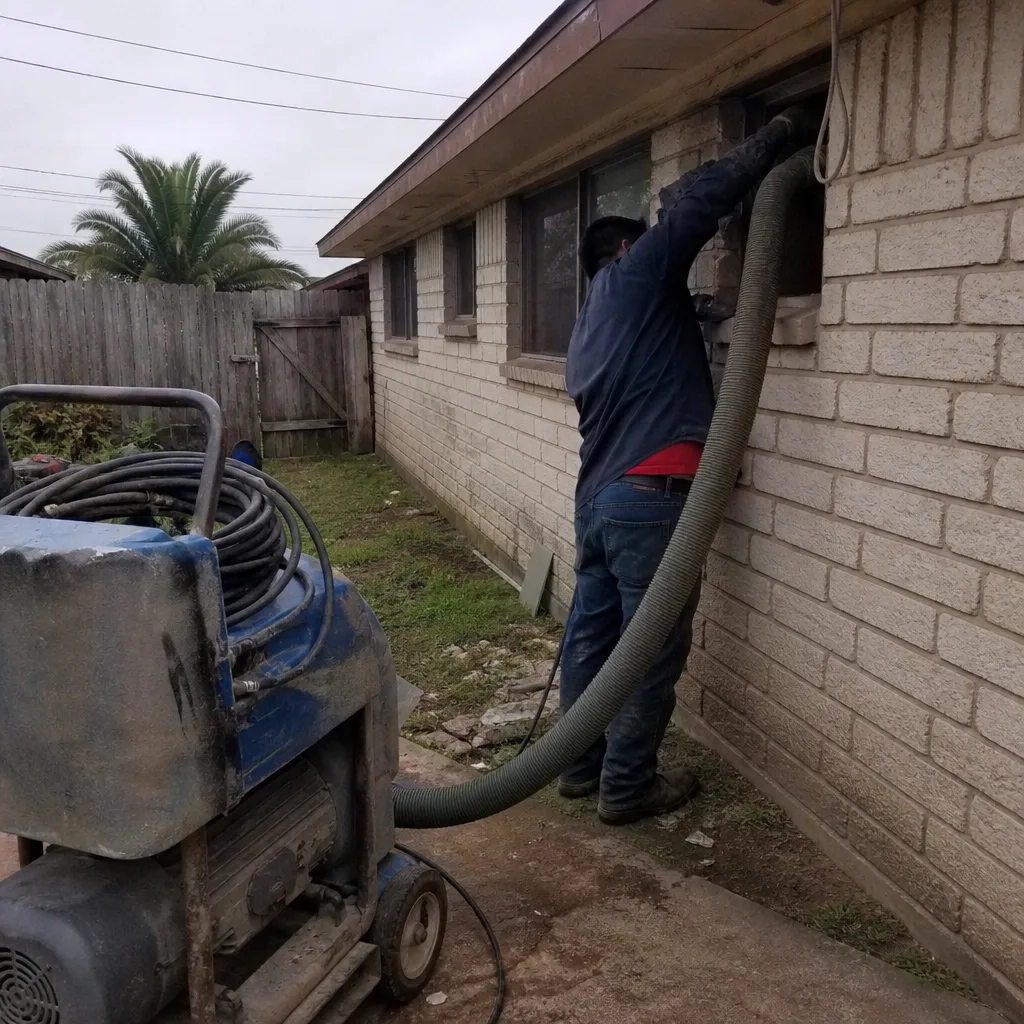
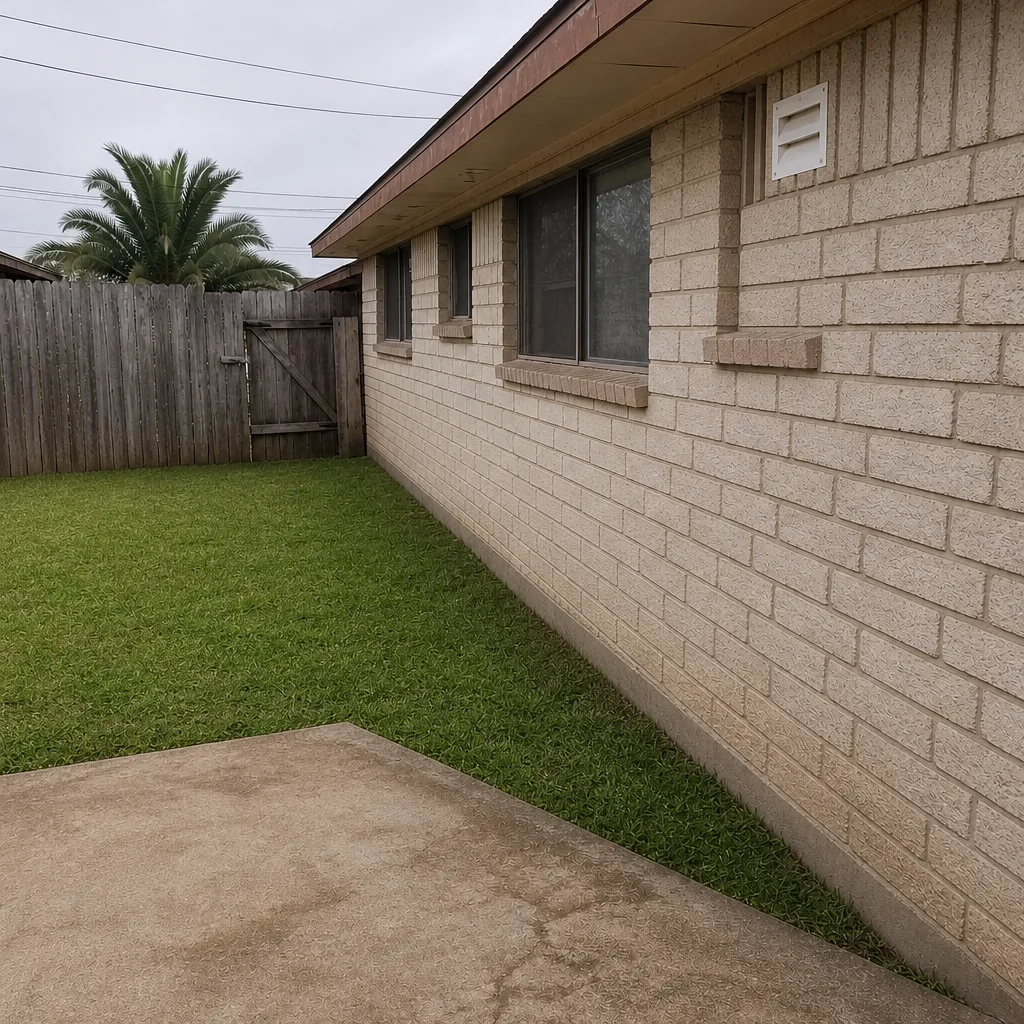
Whole-system duct and dryer vent check with before-and-after photos - you see exactly what came out of your vents
That "$99 whole-house special" is a bait ad - the real number appears once they are in your hallway, or the "clean" is a shop-vac at the register. We photograph the inside of your ducts before and after instead.
Air Duct Cleaning Warning Signs: A Brownsville Homeowner’s Reference Guide
Dust on your registers is a late-stage warning sign. By the time you can see buildup accumulating on supply vents, your duct system has typically been distributing that particulate load through your living space for months. The earlier indicators are almost always missed because they don’t look like a duct problem at all. A faint smell when the AC starts. One bedroom that never quite cools. A power bill that creeps up during a stretch of steady weather. In this guide we walk through the subtle signals Brownsville homeowners overlook, how to tell a duct issue from an equipment issue, and what to do about each one before a small problem becomes a full contamination job.
Quick Answer
The most reliable signs your air ducts need cleaning in Brownsville are a musty odor that appears only when the AC first kicks on, uneven cooling between rooms that persists after filter changes, energy bills rising during consistent weather, visible pest evidence around register covers, and drywall dust or moisture damage following renovations or past flooding. Visible dust on registers is a sign the problem is already well established. Call (866) 986-5459 for a free estimate. We answer 24/7. Fast dispatch from 7am to 7pm, Sunday through Friday.
Styles & brands we work with
- Whole-home duct cleaning
- Dryer vent cleaning
- Camera inspection
- Sanitizing & deodorizing
Table of Contents
- The Musty Odor That Only Shows Up When the AC Starts
- Uneven Cooling Between Rooms: Blockage or Equipment?
- Rising Energy Bills During Steady Weather
- Pest Evidence Around Registers in South Texas Homes
- Post-Renovation and Post-Flood Indicators
- What Equipment Should Actually Be Used in Your Home
- Common Mistakes to Avoid
- When to Call a Professional
The Musty Odor That Only Shows Up When the AC Starts
Here’s the pattern we hear most often in Brownsville: the house smells fine all day, then the AC kicks on and for thirty seconds there’s a damp, earthy smell. By the time the system has run a few minutes the smell is gone, so the homeowner decides it was nothing. That first-blast odor is one of the most telling early indicators of microbial growth somewhere in the system.
The reason it behaves this way comes down to how air moves through a system that has been sitting. When the blower starts, it pushes the first volume of air across the evaporator coil and through the duct liner, where growth tends to take hold in a warm, humid climate. That first pass carries the concentrated odor into the living space. As the system keeps running, the air moving through dilutes it and your nose adjusts. That’s why the smell “disappears” and why so many families dismiss it.
Two places growth commonly develops:
- The evaporator coil. Condensation on the coil during cooling season keeps it damp. Dust that settles on a wet coil can support biological growth, and that growth is often what you’re smelling on startup.
- Duct liner and insulation. Many systems use internally lined ductwork or insulated flex duct. In Brownsville’s humid summers, any moisture that gets into that lining can stay there long enough to support growth.
A one-time musty smell right after a rainstorm is normal. A smell that appears at every startup, week after week, is not. If that’s what you’re noticing, have the system looked at rather than waiting for the smell to get stronger. As a starting point, professional air duct cleaning includes inspection of the duct interior, and a thorough service should identify whether the source is the ducts, the coil, or both.
Uneven Cooling Between Rooms: Blockage or Equipment?
Uneven cooling is one of the most misunderstood warning signs because it can come from several completely different causes. Before you assume your AC is failing, it helps to know how to narrow it down yourself. You don’t need a technician to tell whether the issue is airflow or refrigerant, at least not at first.
Here’s how to distinguish the two without a service call:
- Check the supply registers. With the system running, hold your hand at each supply vent. If some rooms feel noticeably weaker than others despite all vents being open, airflow is restricted somewhere on that branch. If all vents feel equally weak, the issue may be the blower or the filter rather than the duct.
- Replace the filter and re-test. A clogged filter restricts air to the whole system. After a fresh filter, run the system for a day and check again. If the weak room is still weak, move on to the next step.
- Check for closed or blocked vents and returns. A closed damper or a return covered by furniture can cut airflow to part of the house. Open every register and clear returns before drawing conclusions.
- Compare the temperature of the air coming out. If the air from a weak vent is still cold but just low-volume, you’re likely looking at a restriction in the duct. If the air is barely cool or lukewarm, refrigerant charge or a failing component is a real possibility, and that’s an HVAC technician’s call.
If you’ve done the first three steps and one room still runs warm while the rest of the house cools fine, partial duct blockage is worth ruling out. In Brownsville homes, debris, collapsed flex duct, and disconnected sections are common culprits on long runs to a far bedroom. A camera inspection or a pressure check of the duct system tells you definitively. Repairing a sagging or disconnected run is often part of the fix, and that’s why air duct repair and cleaning usually go together.
Rising Energy Bills During Steady Weather
Most homeowners attribute a higher power bill to aging equipment or to a hot month. That assumption hides a useful signal. When your bill climbs during a stretch of weeks when the weather hasn’t really changed, equipment age isn’t the likeliest explanation. Restricted airflow is.
Here’s the mechanism. When debris accumulates inside the ductwork, the blower has to work against higher static pressure to move the same volume of air. Less air reaches the rooms, so the system runs longer to hit the thermostat setpoint. You pay more for less cooling, and the equipment wears faster while it does it. The bill goes up before you notice a comfort problem.
What to watch for:
- Consistent weather, climbing bill. If three consecutive months of similar temperatures show a rising trend, airflow restriction deserves a look.
- Longer run times. If the system used to cycle off in a certain amount of time and now runs noticeably longer, the blower may be fighting a restriction.
- Dust settling faster than usual. Increased circulation of particulate can mean more of it is being pulled out of the ducts into the air you breathe. If you’re wiping surfaces more often, that’s a signal worth noting.
- Noisy airflow. Whistling or rushing sounds at registers, or a strained sound from the blower, can indicate the system is working harder to push air through.
If more than one of these applies, a professional look at the duct system is worth the call. Ask for a free estimate, and ask specifically what equipment is coming into your home before you schedule.
Pest Evidence Around Registers in South Texas Homes
Pest infiltration into ductwork is a real and underreported issue in South Texas, where rodent and insect pressure stays high through warm months. Ducts offer warmth, dark, and easy travel between rooms. A pest problem inside ductwork doesn’t always announce itself with a bad smell, but the evidence is often right at the register covers.
What to look for around your register covers:
- Droppings or debris around the register face. Rodent droppings near a supply or return vent suggest animals moving in or out of the duct.
- Chewed edges on the register frame or ducting. Rodents gnaw through soft materials. Chew marks along flex duct or the register housing are a direct signal of activity.
- Scratching or scurrying sounds shortly after the system shuts off. That’s often when animals settle, and it’s a common time for the sounds to become noticeable.
- Insect activity near register covers. Ants, roaches and other insects can travel through ductwork, and you may notice them gathering near vents or along returns in a way that isn’t explained by the surrounding room.
When a pest issue has been inside the system, cleaning is not a simple vacuum job. Animals leave behind contamination on duct surfaces, and insect populations can colonize liner material. Cleaning should include containment at the register openings, negative pressure to keep contamination from spreading into the room, and a genuine sanitizing step once the ductwork is cleaned out. This is one of the areas where the equipment gap between a budget crew and a properly equipped provider is largest. Our crews use Abatement Technologies containment and negative-air equipment as the standard, which is the same approach used in professional contamination remediation.
If you’re seeing signs of pest activity inside the system, don’t keep running the blower to see if the problem clears. Every time the system runs, contamination can be pushed through the whole duct system and into the living space. Call (866) 986-5459 to talk through what you’re noticing before scheduling a service.
Post-Renovation and Post-Flood Indicators
Two events leave residues inside ductwork that are easy to miss and slow to show up as symptoms: a renovation, and past flooding. In Brownsville, both come up regularly, and both leave signatures worth knowing about.
After a Renovation
Remodeling generates dust that settles into everything, including the return ducts. Drywall dust is fine and abrasive, and once it’s inside the return system, the blower pushes it through the supply side and into every room. Here’s how drywall dust infiltration shows up:
- A white, chalky film on register faces and vent grilles that reappears within days of cleaning.
- Fine settling on horizontal surfaces near supply vents in rooms that weren’t part of the remodel.
- Filter loading – a new filter that turns pale gray within two or three weeks.
If the system was running during construction, or if return registers were unprotected while drywall was cut and sanded, that dust has likely found its way into duct interiors. Post-renovation cleaning is often the most productive time to clean a duct system, precisely because the debris is fresh and hasn’t had time to combine with moisture and organic material.
After Past Flooding
Brownsville has seen its share of heavy rain events, and past flooding can leave moisture inside ductwork that dry-out efforts don’t always address. The problem is that a duct system is a closed cavity. Water that gets into an insulated duct, or that wets the liner, may not dry completely even after the visible home repairs are finished. Signs that past flooding left moisture damage in the ductwork include:
- Smell that returns with rainy weather or high-humidity periods, months after the event.
- Staining or rust on register grilles that isn’t explained by the current season.
- Duct liner that feels soft, discolored, or detached from the duct body when viewed through a register opening.
Any of these is worth a professional inspection. A compromised duct liner inside a flooded system is not something that clears up on its own, and it can be an ongoing source of odor and particulate. Our crews bring containment and negative-air equipment to a job site specifically because moisture and growth situations need to be handled as a contamination problem, not just a dust problem.
What Equipment Should Actually Be Used in Your Home
This is the question that separates a serious duct service from a coupon crew: what equipment is coming into your home. It’s an easy question to ask before you book, and the answer tells you a lot about how the job will go.
Professional-grade duct cleaning relies on purpose-built equipment. Improvised setups, like a shop vacuum at each register, don’t generate enough vacuum to pull contamination out of an entire duct system, and they offer no containment. The result can be that dust and debris that was settled inside the ducts gets agitated and distributed rather than removed.
What professional equipment looks like:
- Contact cleaning systems. Rotobrush contact-cleaning equipment is purpose-built for residential duct cleaning. It uses rotating agitation inside the duct run, paired with vacuum, so debris is dislodged and captured.
- HEPA vacuum equipment. Nikro HEPA vacuum systems are the collection side of the job. High-efficiency filtration keeps fine particulate from being exhausted back into the room while the work is happening.
- Containment and negative air. Abatement Technologies equipment creates negative pressure around the work area and seals off openings, so contamination can’t escape into the living space. This is the same protocol standard used in professional remediation work, and it’s why a properly equipped crew can clean a contaminated system inside an occupied home.
- Surface protection. Floor and surface protection follows the same idea. Guardsman protection products are the kind of detail work that matters when the crew is moving equipment through your hallways.
- IAQ product integration. After cleaning, filtration and air-quality improvements come into play. Working with Honeywell and Aprilaire products lets a provider connect duct cleaning to a broader air-quality conversation, rather than treating cleaning as a standalone transaction.
You can ask any provider what they’re bringing into your home before scheduling. Sycamore Air Duct Cleaning uses Rotobrush, Nikro, Abatement Technologies, Honeywell and Aprilaire systems as part of our standard approach. Our technicians have up to 15 years of experience, and every job is priced as one flat price per system agreed before work starts, so there’s no per-vent creep once the technician is on site.
Common Mistakes to Avoid
- Judging the job by the coupon price. A low teaser quote frequently becomes a much larger invoice once the technician is on site. Ask for a whole-system price before booking, not a per-vent rate.
- Treating visible register dust as the only warning sign. By the time dust accumulates visibly on supply vents, particulate has typically been circulating for months. The subtle signs in this guide come first, and catching them early is what prevents a bigger job later.
- Assuming uneven cooling means the AC needs a recharge. Airflow restriction from partial blockage produces the same symptom and is cheaper to rule out. Do the register and filter checks before calling for refrigerant service.
- Ignoring a musty smell that shows up at startup. The smell fades as the system runs, which makes it easy to shrug off. A smell that returns at every startup points to growth on the coil or duct liner and won’t resolve on its own.
- Skipping the return side. Somebudget crews clean only supply vents. The return air path is where dust entry and pest activity most often concentrate. Ask whether the return side is included.
- Cleaning after a renovation without containment. If a crew is agitating drywall dust inside the ducts without negative-air containment, the dust ends up in your living room. Containment isn’t optional on that kind of job.
- Not asking for before-and-after photos. You’re paying for a whole-system service. Ask for photographs of the duct interiors before and after cleaning, so you have proof that the work was actually done.
When to Call a Professional
It’s time to call a professional when the musty smell appears at every AC startup rather than occasionally, when one room stays warm after a fresh filter and a clear vent check, or when the energy bill climbs during consistent weather. Pest signs around register covers, chalky dust reappearing in rooms that weren’t renovated, and lingering odors in a home that has flooded are all reasons to have the system inspected. You don’t need all of these at once. Any single consistent sign is worth a look.
For a Brownsville homeowner, the point is to catch these early. Dust on registers means the problem is already established, and starting the conversation before that stage saves effort. Sycamore Air Duct Cleaning offers free estimates in Brownsville – call (866) 986-5459. We answer 24/7. Fast dispatch from 7am to 7pm, Sunday through Friday.
See the difference
 Before
 After
 Before
 After
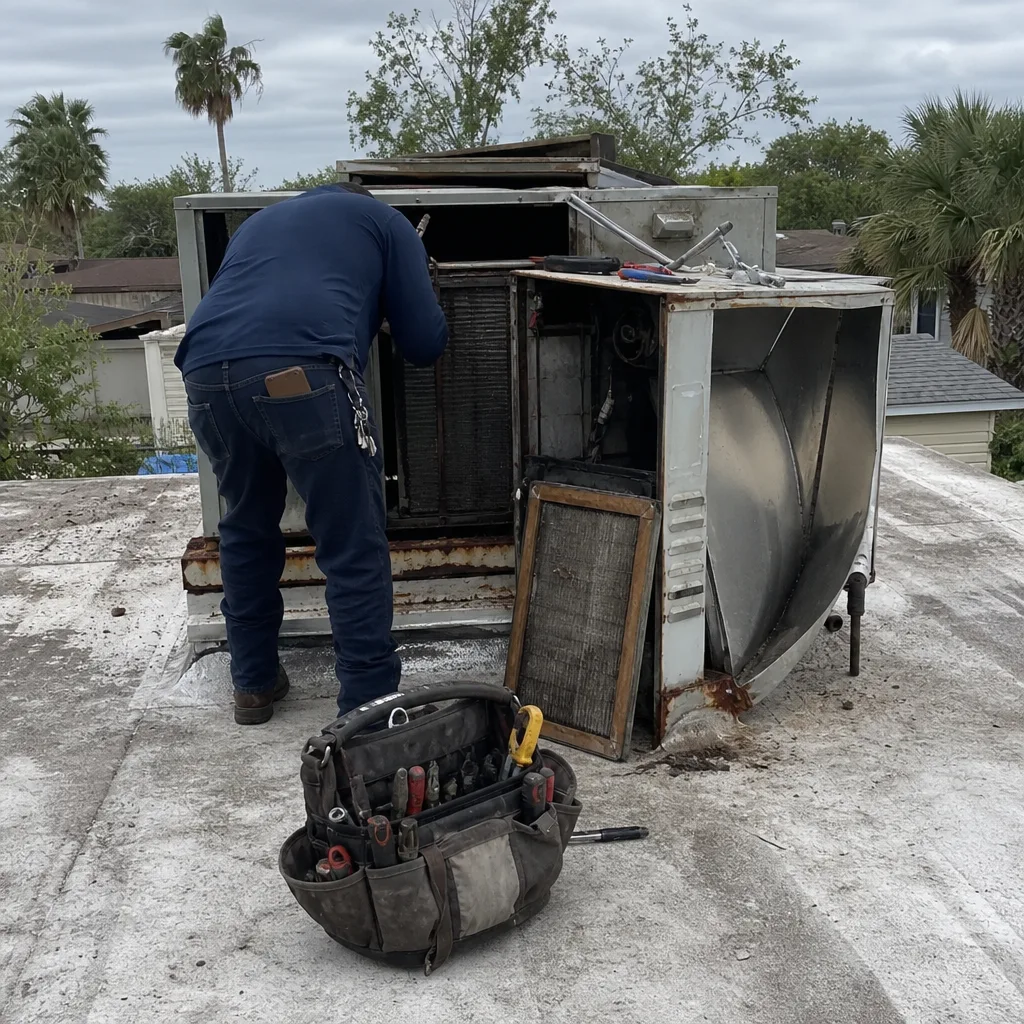 Before
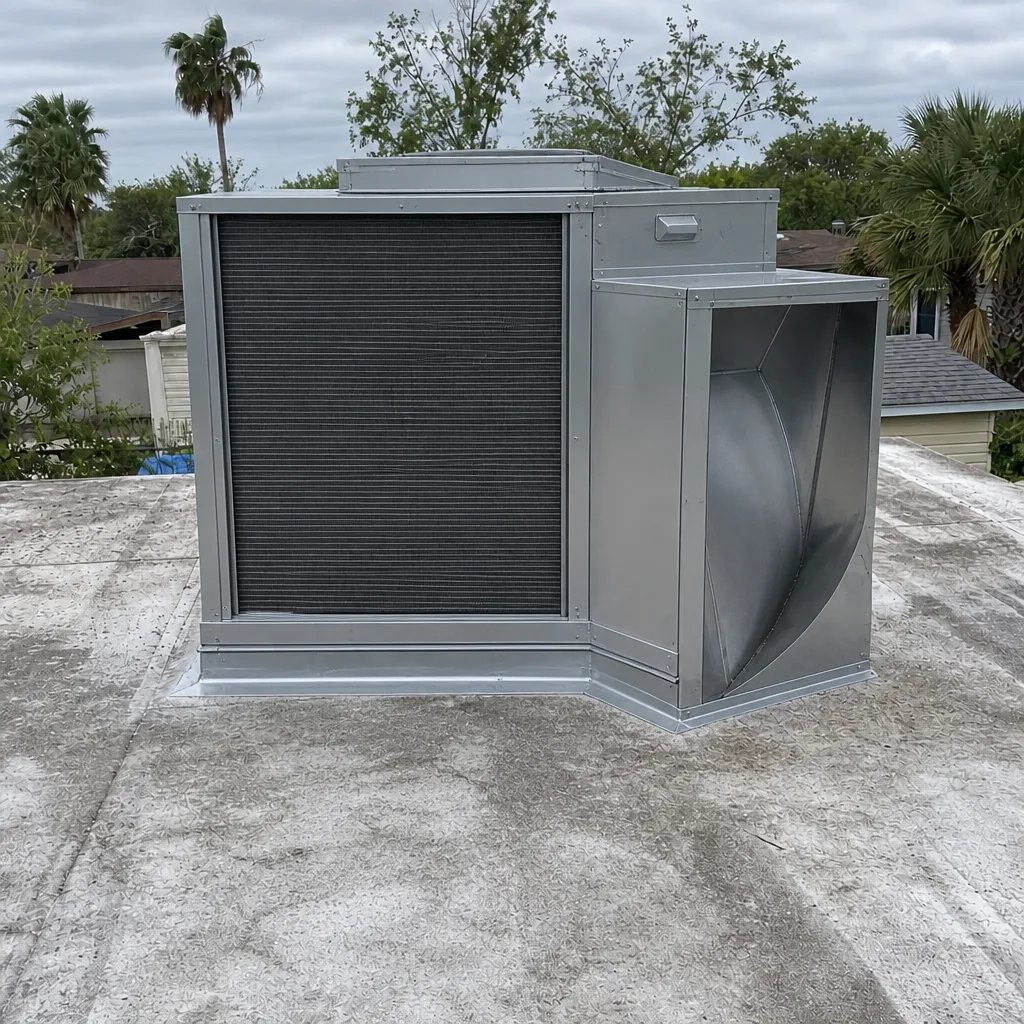 After
Frequently Asked Questions
The strongest indicators are a musty odor that appears only when the AC first starts, uneven cooling after basic checks, rising bills during consistent weather, pest evidence near register covers, and post-renovation or post-flood residue inside the system. Any one of these is reason enough to have the system inspected. Visible register dust means the problem is already well along. Call (866) 986-5459 for an exact quote – estimates are free.
Most residential whole-system cleanings in the Brownsville market run in the range of a few hundred dollars, with the final price depending on system size, number of branches, contamination severity and whether repair is needed. Every job is priced as one flat price per system agreed before work starts, never per vent. Call (866) 986-5459 for an exact quote – estimates are free.
Because they’re often not the same job. A very low quote usually sits on the supply-vent side only, may not include containment, and frequently grows once the technician is on site and the true scope is visible. Ask what equipment is coming into your home and get a whole-system price in writing before booking. Call (866) 986-5459 for an honest, written estimate.
Ask for before-and-after photographs of your own duct interiors. A properly equipped crew works with containment and negative-air pressure, which means the job is verifiable inside the system, not just at the register face. Before-and-after photos are standard on every job we handle. Call (866) 986-5459 to book a free estimate.
There’s no single universal interval – it depends on your home, whether pets live there, renovation history, pest pressure and whether the system has ever taken on moisture. A household that has just completed a renovation or recovered from a flood typically needs cleaning sooner than a home with no history of either. Watch for the signals in this guide rather than going by a fixed schedule. Call (866) 986-5459 to talk through your situation.
It could mean either, or both. A smell at AC startup points to microbial growth that’s most often on the evaporator coil, the duct liner, or both. Cleaning the ducts addresses the duct side; coil cleaning is a separate step. A professional inspection should identify which. Call (866) 986-5459 for a free estimate that includes an inspection of the system.
The Bottom Line
Dust on your registers is the late-stage signal, not the early one. The indicators Brownsville homeowners skip are the ones that don’t look like a duct problem: a musty smell at AC startup, one room that runs warm after basic checks, a bill that climbs during steady weather, pest traces at register covers, and residue from a renovation or past flooding that never quite cleared. The right move is to watch for those signals, ask what equipment is coming into your home, get a whole-system price in writing, and check before-and-after photos of the work. We clean, repair and protect the full duct system through Sycamore Air Duct Cleaning, with dryer vent cleaning handled as its own dedicated service because a dryer vent is a fire risk, not a maintenance footnote.
Call (866) 986-5459 for a free estimate. We answer 24/7. Fast dispatch from 7am to 7pm, Sunday through Friday. Same-day booking is available. Pricing is one flat price per system agreed before work starts, and every job comes with before-and-after photos of your own ducts so you can see the work was done.
Written by the team at Sycamore Air Duct Cleaning.